







Arthurs Gutters
Plaster - Repair - For Business
Serving Moore, SC and surrounding areas
Approved
In business since 1997
Free estimates
Offers commercial services
"They did a great job!"
Response time2 hrs
Recommended by100%of homeowners

 4.8
4.8  59
59 *The Angi rating for Plaster Repair companies in Moore, SC is a rating based on verified reviews from our community of homeowners who have used these pros to meet their Plaster Repair needs.
*The HomeAdvisor rating for Plaster Repair companies in Moore, SC is a rating based on verified reviews from our community of homeowners who have used these pros to meet their Plaster Repair needs.
Last update on August 12, 2026
Serving Moore, SC and surrounding areas
Approved
In business since 1997
Free estimates
Offers commercial services
"They did a great job!"

Serving Moore, SC and surrounding areas
Approved
In business since 2016
Free estimates
Warranties offered
PatchMaster Serving Greenville is a locally/owner/family run and operated franchise. We specialize in all facets of drywall and painting. We are extremely competitive and understand the value of building life long relationships with our customers. Workmanship guaranteed. Prompt reply to your request. Call today for a free estimate.
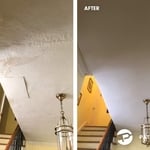
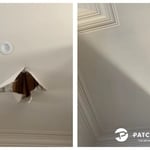
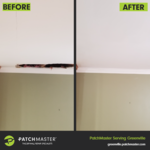
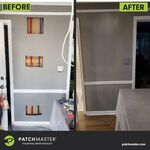
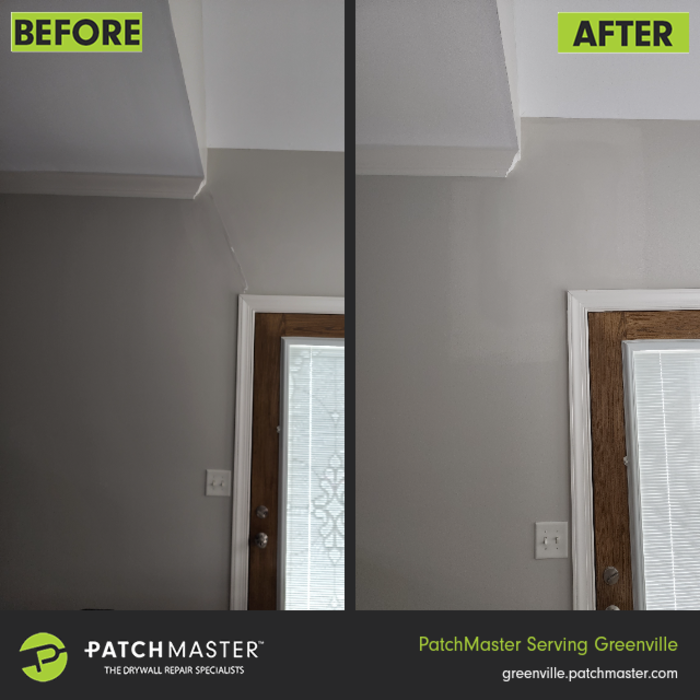
+12
Serving Moore, SC and surrounding areas
Approved
I’m a multi crafted work I do it especially welding. I work very safely and I’m very respectful
Serving Moore, SC and surrounding areas
Approved
Free estimates
Emergency services offered
Warranties offered
We offer Handyman Services, general carpentry, electrical, plumbing, roofing, masonry, water damage and weather /water protection as well as emergency services. In these hard times wjere everything is so expensive, we offer services for a fair price and guarantee our work. You will be pleased with our services.
Serving Moore, SC and surrounding areas
In business since 2017
Free estimates
Small jobs welcome
"He repaired a bad sheetrock mudding job by another contractor. It looks better now."
+56
Serving Moore, SC and surrounding areas
In business since 1999
Free estimates
"Alan does great work at a reasonable rate."
Serving Moore, SC and surrounding areas
In business since 2005
Free estimates
Credit card accepted
"Alfred showed up on time and did a good job"
Serving Moore, SC and surrounding areas
In business since 1999
Free estimates
Warranties offered
"SCW Drywall was excellent! He worked very efficiently and completed everything quickly while still paying attention to detail. He was also very friendly and easy to communicate with. We’ll definitely be using him again and highly recommend his services."
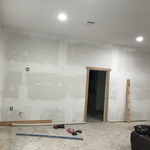
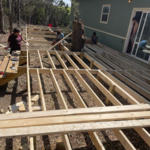
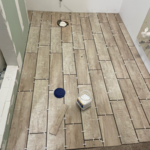
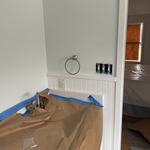
+8
Serving Moore, SC and surrounding areas
In business since 2015
Free estimates
Emergency services offered
"Leo did an excellent job. Cut down and removed all the brush and hauled it away. They even raked the yard, to make sure nothing was left behind. Would highly recommend him. My neighbor even hired him to do same for him. Cudos to Leo."

Serving Moore, SC and surrounding areas
In business since 2020
Free estimates
Small jobs welcome
We are the best
From average costs to expert advice, get all the answers you need to get your job done.
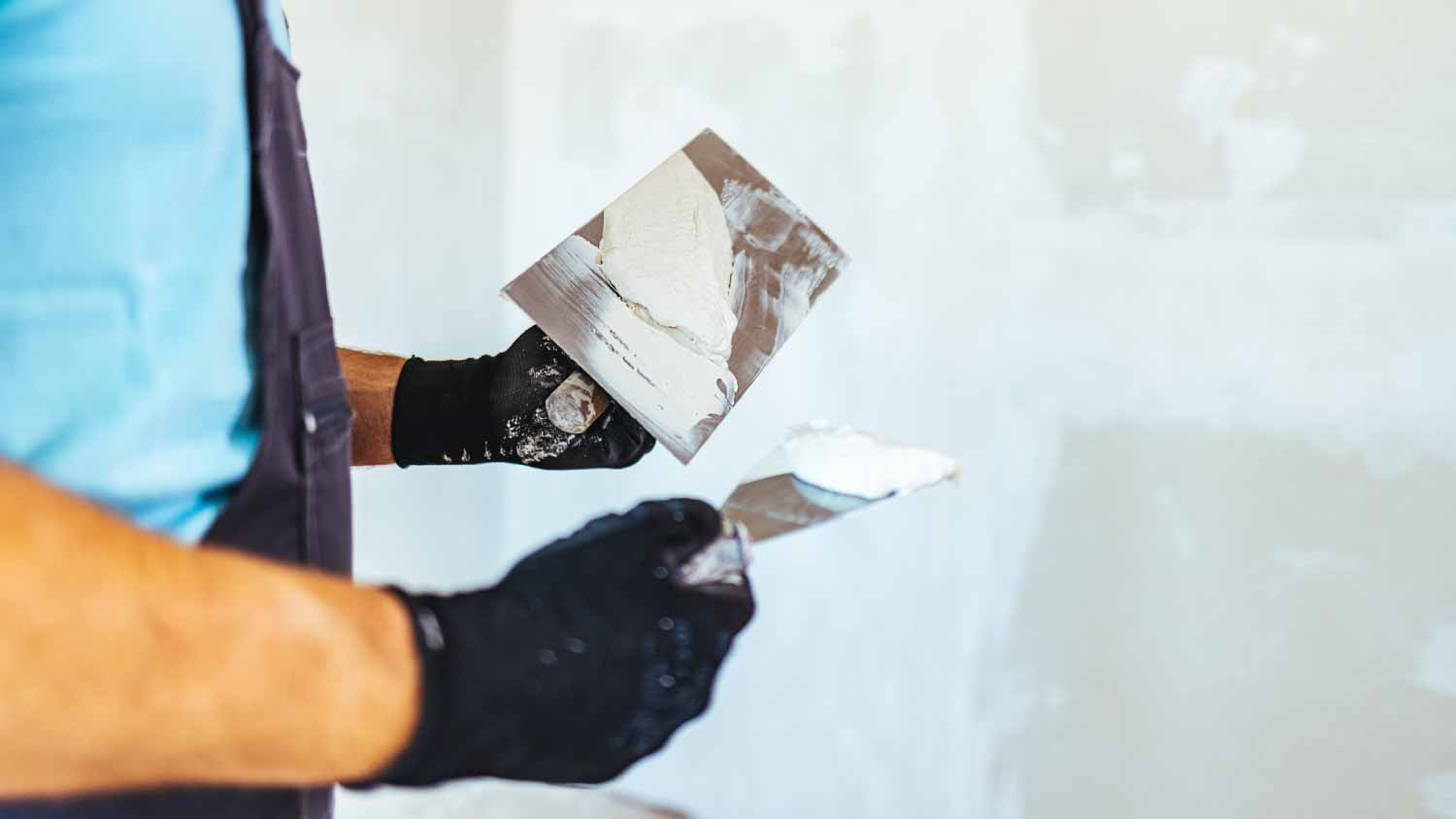
Plaster repair costs are determined by the size and type of damage. Discover why some fixes you can DIY and why some require a pro’s help.
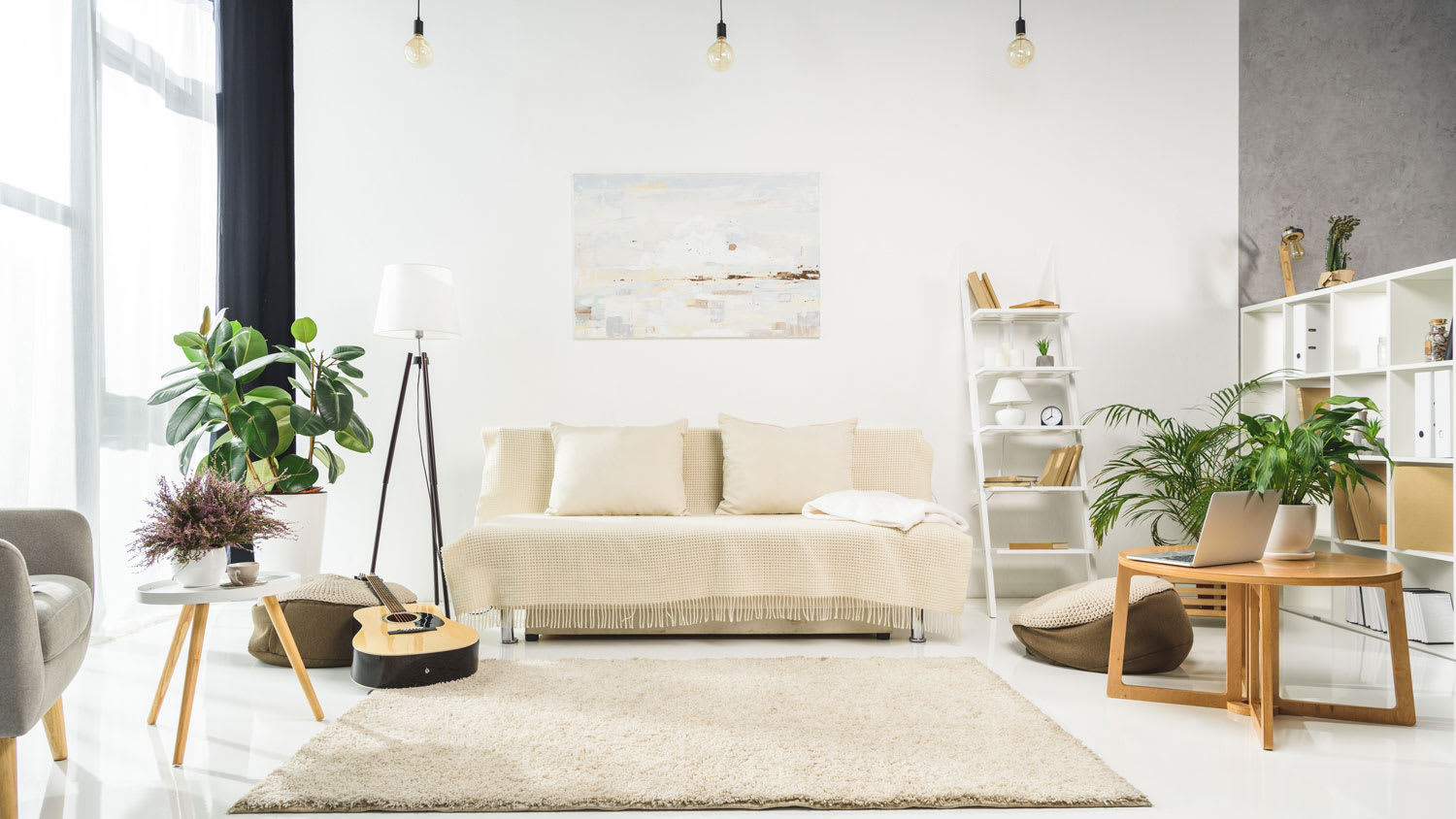
The cost of plastering walls and ceilings depends on the room size and ceiling height. Our tips can help you estimate an accurate cost.
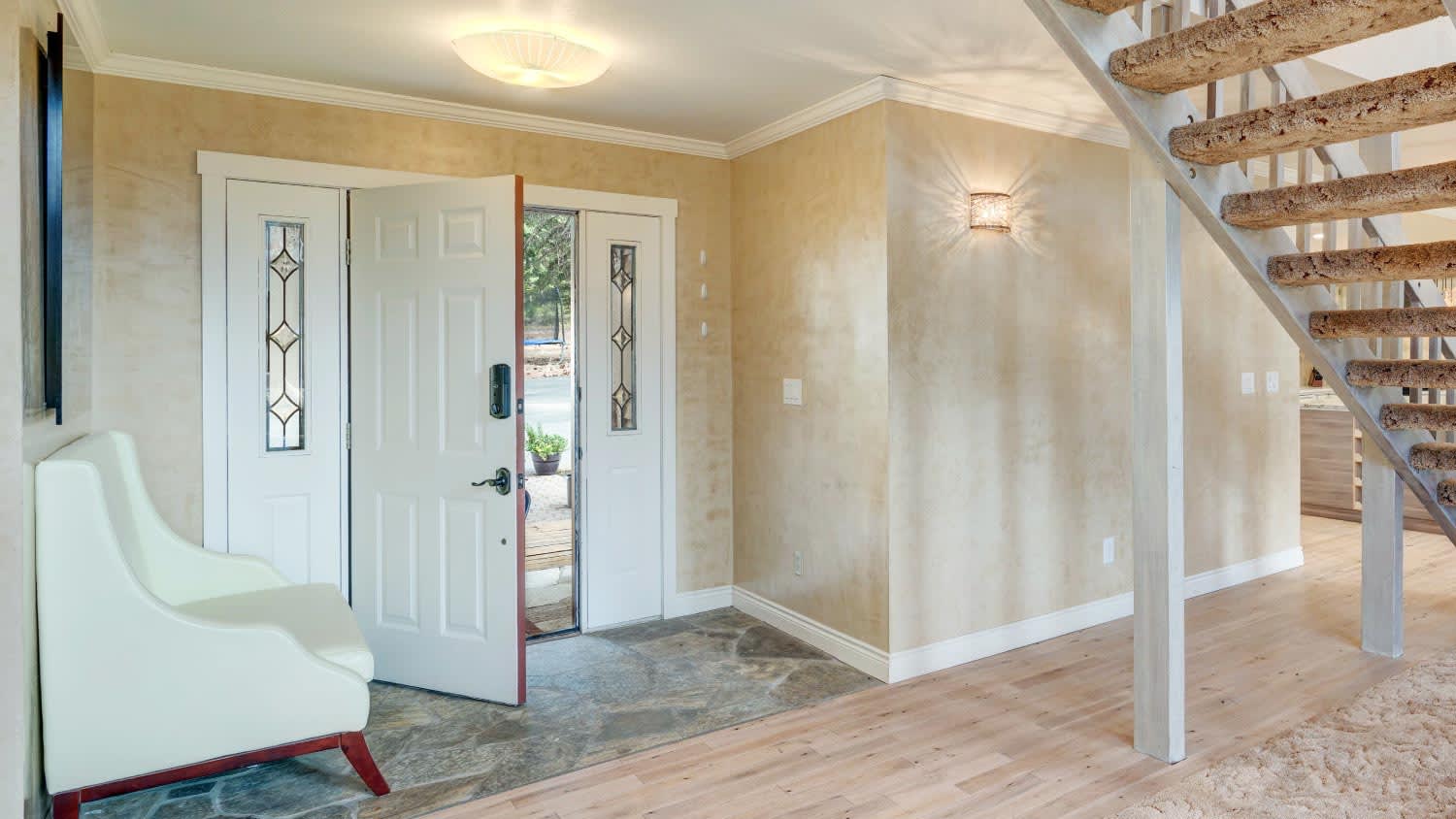
Venetian plaster can add depth and texture to your aesthetic. Learn how much Venetian plaster costs based on factors like square footage and whether you hire a pro to help.
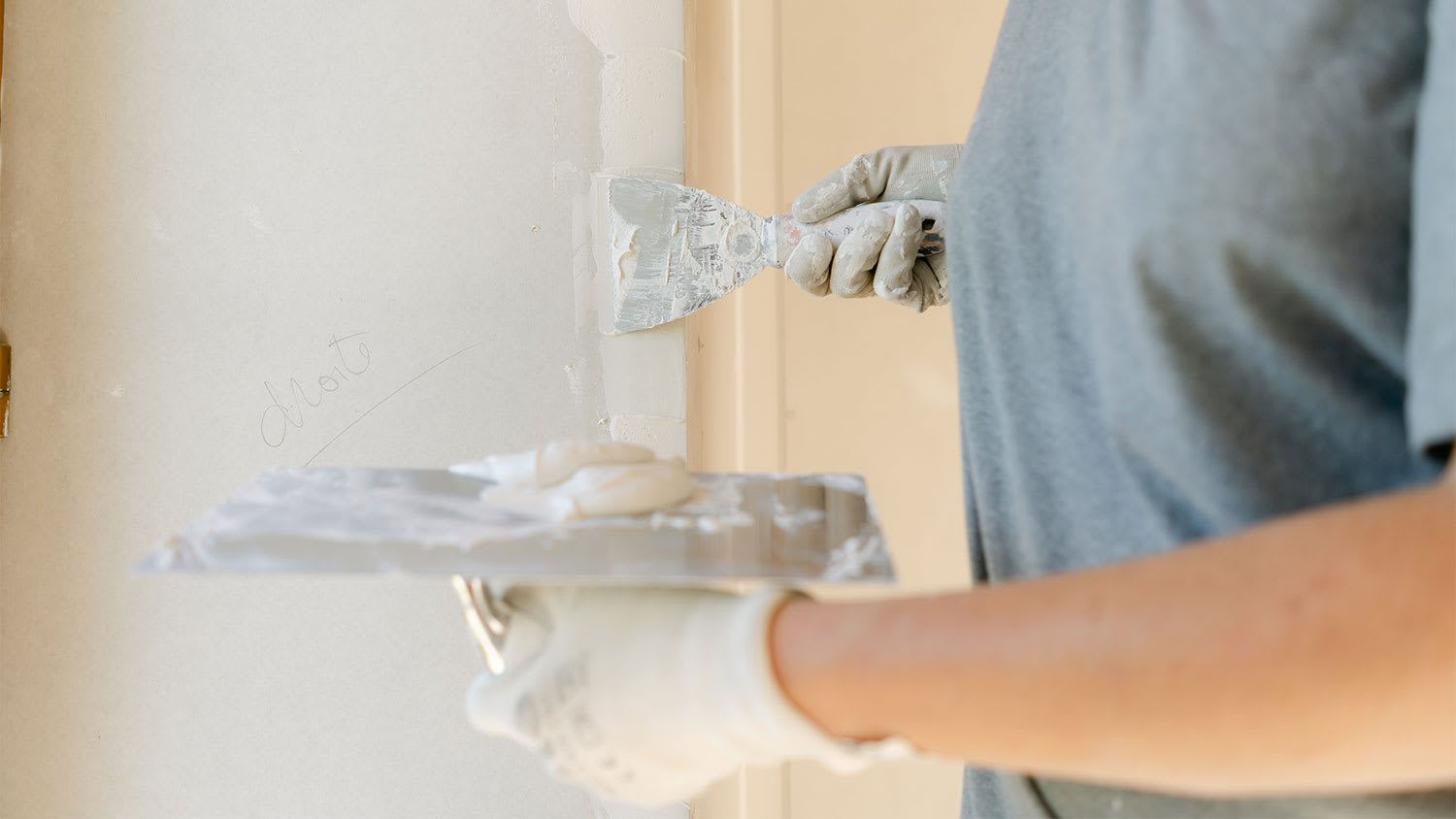
Finding a qualified plaster repair pro? Learn how to hire the right specialist, what questions to ask, and what to expect for your project.
Planning a plaster repair project? Learn about the process, average costs to expect, and how to hire the right local pro to restore your walls.

You can find plaster walls in a lot of older homes. What’s behind these walls—whether that’s lath or calcimine—can have an impact on how long they last. Finding out the age of your house can help you determine what you’re dealing with.