





Top-rated concrete resurfacing pros.

Get matched with top concrete resurfacing pros in Mcbee, SC

Enter your zip and get matched with up to 5 pros

Need a pro for your concrete resurfacing project in Mcbee, SC?

Select your specific project to find the pro for you.

TRUSTED BY MCBEE, SC HOMEOWNERS

  • Average homeowner rating star icon3.9
    Average homeowner rating
  • Verified reviews icon14
    Verified concrete resurfacing reviews

Find Concrete resurfacing pros in Mcbee

Avatar for Coastal Empire Roofing & Construction Co
Coastal Empire Roofing & Construction Co
3.1(
16
)
Concrete Flatwork - Repair & ResurfaceConcrete Flatwork - Repair & Resurface- For Business

Serving Mcbee, SC and surrounding areas

In business since 1998

Free estimates

Emergency services offered

"Once they started working on it, the work was great. What they did was good, but they forgot to put caulking on one of our skylights. They came back quickly to fix it. We put half the money down and then we didn’t hear anything for 4 months. I guess they were switching company owners, but since then it has been good."
Pantarah Sunroom Series
Recommended by80%of homeowners
Showing 1-10 of 13
Concrete Resurfacing questions, answered by experts

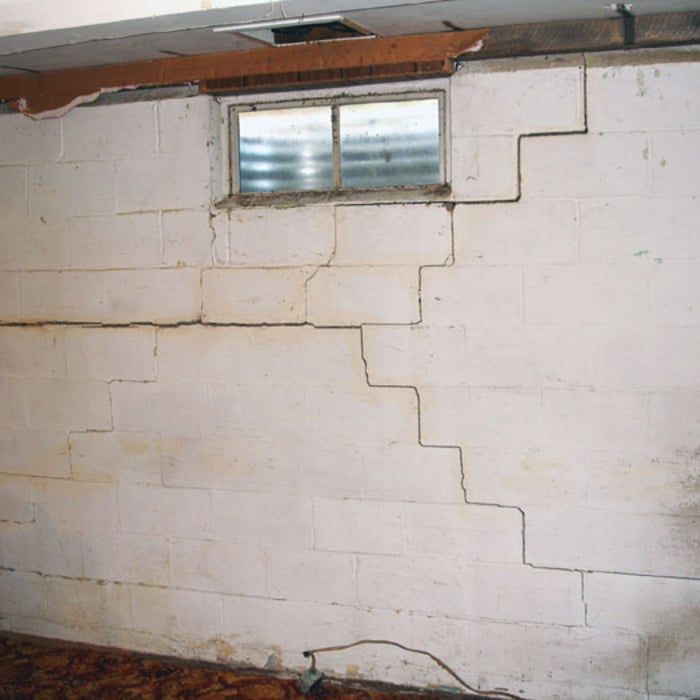
No, hairline cracks in concrete are generally not a problem as they do not impact the strength and longevity of the concrete. Generally, cracks less than 0.3 millimeter wide don’t impact the structure. Hairline cracks can grow over time and weaken the structure, such as in a home foundation. Some hairline cracks can also cause leaks in a foundation. It’s important to watch the cracks to see if they grow. Contact a concrete contractor if you notice cracks exceeding 0.3 millimeter wide.

Address drainage issues, avoid heavy loads, and seal cracks to prevent future settling.

Pervious concrete should be between 4 and 8 inches thick to drain water properly. Surfaces like parking lots and driveways should be at least 6 inches thick to accommodate the weight of vehicles, while patios and walkways may be poured between 4 and 6 inches thick. There’s no standard for pervious concrete thickness, but in most cases, the more weight the surface will need to hold, the thicker it should be.

Small cracks should be filled with a flexible crack filler, like a rubberized asphalt-emulsion crack filler or a flexible masonry crack filler. Larger cracks need something a bit more solid to prevent further movement and to avoid having to use too much of the flexible filler. For concrete, you can use a concrete backer rod while asphalt can handle sand, gravel, or even dirt.

For thin driveway cracks that aren’t widening or lengthening, a polyurethane crack filler is usually the best way to seal the crack and prevent further damage from water and ice. If you have cracks that are more than ⅛-inch wide or driveway cracks that continue to grow, you should call in a professional driveway repair company to fix underlying problems—like insufficient support from the soil underneath—before filling in the cracks. An epoxy sealant is a better option for wider cracks after the surface is leveled and the underlying problem is fixed.

The Mcbee, SC homeowners’ guide to concrete resurfacing

From average costs to expert advice, get all the answers you need to get your job done.