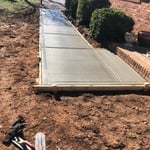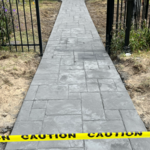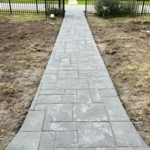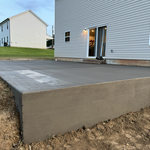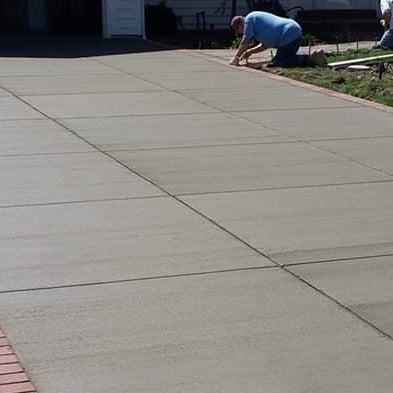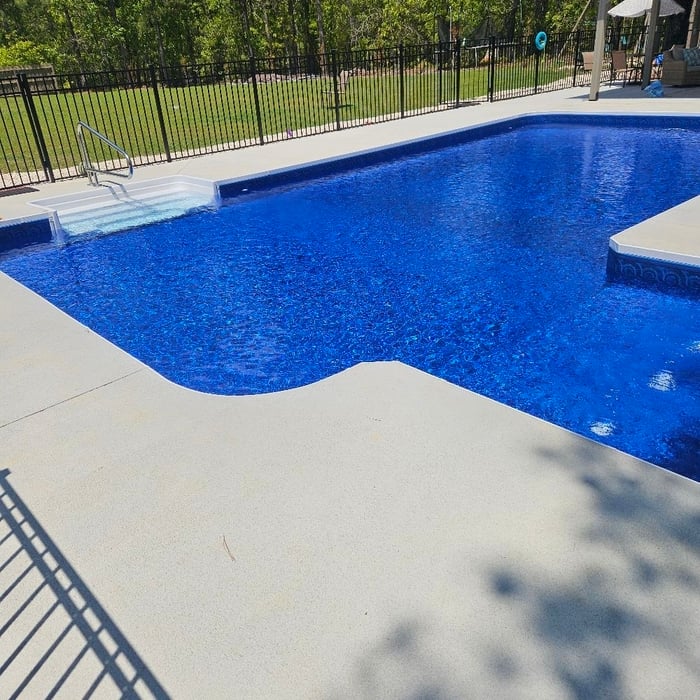



Top-rated concrete resurfacing pros.

Get matched with top concrete resurfacing pros in Wallace, SC

Enter your zip and get matched with up to 5 pros

Need a pro for your concrete resurfacing project in Wallace, SC?

Select your specific project to find the pro for you.

TRUSTED BY WALLACE, SC HOMEOWNERS

  • Average homeowner rating star icon5
    Average homeowner rating
  • Verified reviews icon11
    Verified concrete resurfacing reviews

Find Concrete resurfacing pros in Wallace

Avatar for Chilufya construction and interior design llc
Chilufya construction and interior design llc
3.9(
10
)
Concrete Flatwork - Repair & ResurfaceConcrete Flatwork - Repair & Resurface- For Business

Serving Wallace, SC and surrounding areas

In business since 2005

Free estimates

Emergency services offered

"So much better than expected. Water marks and mold are no longer visible and not noticeable . Suggestions on colors were very helpful so project came out really nice. Would absolutely recommend them to anyone. So pleased that I took the plunge with them for this project."
Painting - Interior Project
Carpentry - Woodworking Project
Painting - Interior Project
Interior Painting Project

+86

Recommended by87%of homeowners
Showing 1-10 of 17
Concrete Resurfacing questions, answered by experts

You can apply an exposed aggregate finish to existing traditional concrete, but you’ll need to resurface the concrete and include aggregate in the top layer of concrete. You’ll also need to prepare the surface beforehand to ensure a good bond between the materials. Adding exposed aggregate is a job best handled by a concrete professional.

Yes, all basement floors crack in response to the natural settlement of the soil around them and from concrete shrinkage as it cures, and you’ll see hairline cracks as a result. However, you should keep an eye on your basement floor to see if cracks continue to lengthen or widen or show signs of water intrusion. In any of these cases, the problem is likely not settling or shrinkage, and a professional repair is necessary.

For thin driveway cracks that aren’t widening or lengthening, a polyurethane crack filler is usually the best way to seal the crack and prevent further damage from water and ice. If you have cracks that are more than ⅛-inch wide or driveway cracks that continue to grow, you should call in a professional driveway repair company to fix underlying problems—like insufficient support from the soil underneath—before filling in the cracks. An epoxy sealant is a better option for wider cracks after the surface is leveled and the underlying problem is fixed.

Water that pools on concrete indicates a low spot somewhere on your driveway. You can level the slab with a concrete patching compound to help redirect water. You can also install drainage over existing concrete by digging out enough space for a channel drain or French drain or by adding a culvert below the slab.

Yes, you can pour new concrete over old concrete, but you need to apply a concrete bonding agent to the existing concrete to ensure the new concrete sticks. Keep in mind that even with a bonding agent, large cracks and other flaws will still come through. If the concrete has heaved, settled, or cracked, pouring new concrete on top won’t address any root structural problems. Removing the existing concrete and rebuilding will be your best solution in that case.

The Wallace, SC homeowners’ guide to concrete resurfacing

From average costs to expert advice, get all the answers you need to get your job done.