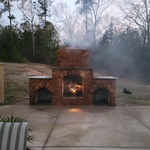







Top-rated fire pit installation pros.

Get matched with top fire pit installation pros in Martin, SC

Enter your zip and get matched with up to 5 pros

Need a pro for your fire pit installation project in Martin, SC?

Select your specific project to find the pro for you.

Find Fire pit installation pros in Martin

No results for Fire pit installation pro in

Try adjusting your search criteria.
Fire Pit Installation questions, answered by experts

Yes, a water leak poses a major fire risk at your home because water is a conductor of electricity. Water that comes into contact with sparks or electrical wires can instantly ignite flammable materials. Additionally, any type of exposure to water can cause wires and other electrical components within your home to corrode. When assessing categories of water damage, it's important to know that even a small amount of moisture near wiring could cause sparks that lead to a fire.

A chimney liner isn’t required for an outdoor fireplace; you don’t technically need one if the masonry chimney uses the proper dimensions and is built to code. However, a chimney liner does serve as a protective coating for the flue. Adding a liner could improve performance, safety, and durability. In short, while not necessary, it wouldn’t hurt.

Glass block windows aren’t fire hazards; fire-rated glass block windows can increase your home’s fire safety. Modern glass blocks are made with materials that can resist high temperatures and prevent fire spread. Most offer a 45-minute fire rating, while some increase it to two hours. Compared to the typical 20 to 90 minute rating for a double-pane window, glass block can increase your home’s safety in the event of a fire.

You should have either an ABC or K-rated fire extinguisher in the kitchen. ABC fire extinguishers put out wood, trash, paper, plastic, and textile fires along with grease, oil, gas, kerosene, and electrical fires. A class K fire extinguisher is specifically rated for use in the kitchen and is designed to extinguish combustible cooking materials, including grease and fat. 

To prevent carbon monoxide poisoning on a propane heater, make sure that your heater is suitable for indoor use. When you run the heater, it should always be in a well-ventilated area with proper air circulation. Installing carbon monoxide detectors on every level of your home is also essential. If you have any questions about using a heater indoors, contact a local heating and oil company for more information.

The Martin, SC homeowners’ guide to fire pit installation services

From average costs to expert advice, get all the answers you need to get your job done.