








Handyman
Handyman for Multiple Small Projects
Serving Warrenville, SC and surrounding areas
Approved
"Guy was beyond professional! Knocked multiple jobs out in no time! 10/10 would hire for any job I have."
57 neighbors recently requested a quote

 4.1
 182
*The Angi rating for Fire Pit Installation companies in Warrenville, SC is a rating based on verified reviews from our community of homeowners who have used these pros to meet their Fire Pit Installation needs.
*The HomeAdvisor rating for Fire Pit Installation companies in Warrenville, SC is a rating based on verified reviews from our community of homeowners who have used these pros to meet their Fire Pit Installation needs.
Last update on July 19, 2026
Serving Warrenville, SC and surrounding areas
Approved
"Guy was beyond professional! Knocked multiple jobs out in no time! 10/10 would hire for any job I have."

Serving Warrenville, SC and surrounding areas
Approved
In business since 2024
Free estimates
Emergency services offered
"Evan and his team came out and installed my pergola exactly the way I wanted it in a good timely manner. He was very personable and professional so I would highly recommend him for any outdoor needs."
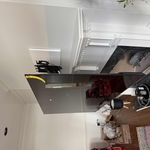
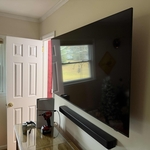
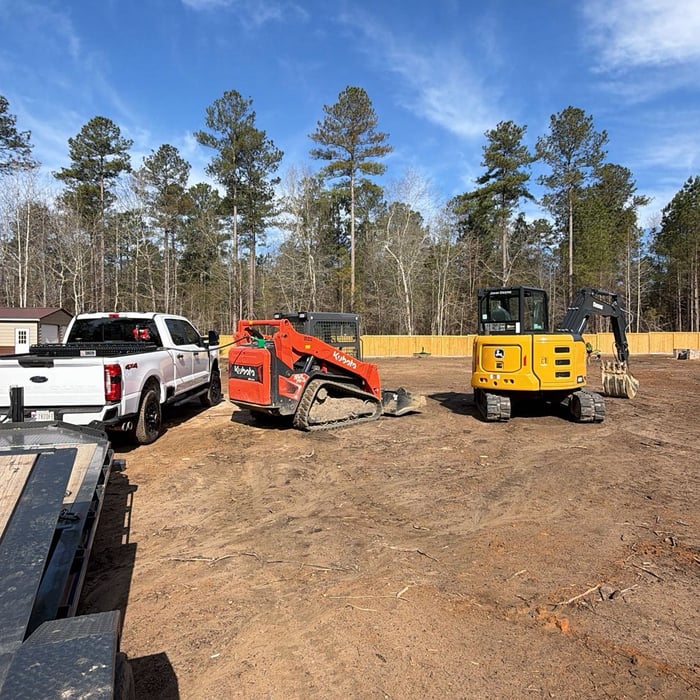
+3

Serving Warrenville, SC and surrounding areas
Approved
Free estimates
Warranties offered
Small jobs welcome
"Nick, the pro, did an excellent job. He arrived on time and promptly did the repairs. He installed an outside solar light and explained and demonstrated how the light works. I am very pleased with his service."



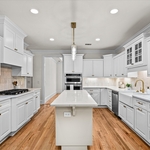
+17

Serving Warrenville, SC and surrounding areas
Approved
Emergency services offered
Small jobs welcome
Offers commercial services
"Job was done very good. Check and double check to make sure everything was done correctly. And was extremely friendly."
Serving Warrenville, SC and surrounding areas
Approved
Filler
Serving Warrenville, SC and surrounding areas
Approved
Free estimates
Emergency services offered
Warranties offered
Hello my name is Robert Shaffer I’m am very qualified for just about anything I am currently trying to start a legitimate business my main goal is to satisfy all customers needs and going the extra mile doing thing efficiently effectively and the correct way not the wrong way looking forward to transforming and restoring or resolving any issues or tasks needed to be solved
Serving Warrenville, SC and surrounding areas
Approved
Free estimates
Small jobs welcome
Offers commercial services
I am a veteran of the United States Army that just moved to South Carolina from Ohio. I have over 15 years of experience in different fields and stages of construction ranging from new builds to homes over 200 years old and have experience from foundation to roof.
Serving Warrenville, SC and surrounding areas
Approved
Professional, highly skilled, friendly individual who has a good working knowledge of many aspects of repair, maintenance, and installation.
Serving Warrenville, SC and surrounding areas
Approved
I’m a multi crafted work I do it especially welding. I work very safely and I’m very respectful

Serving Warrenville, SC and surrounding areas
Approved
Free estimates
Emergency services offered
Small jobs welcome
New business trying to get my name out there. A perfectionist ready to do any household needs
From average costs to expert advice, get all the answers you need to get your job done.

A fire pit installation costs $850 on average but can vary by size, fuel type, materials, and more. See how much you need to budget for a new fire pit.
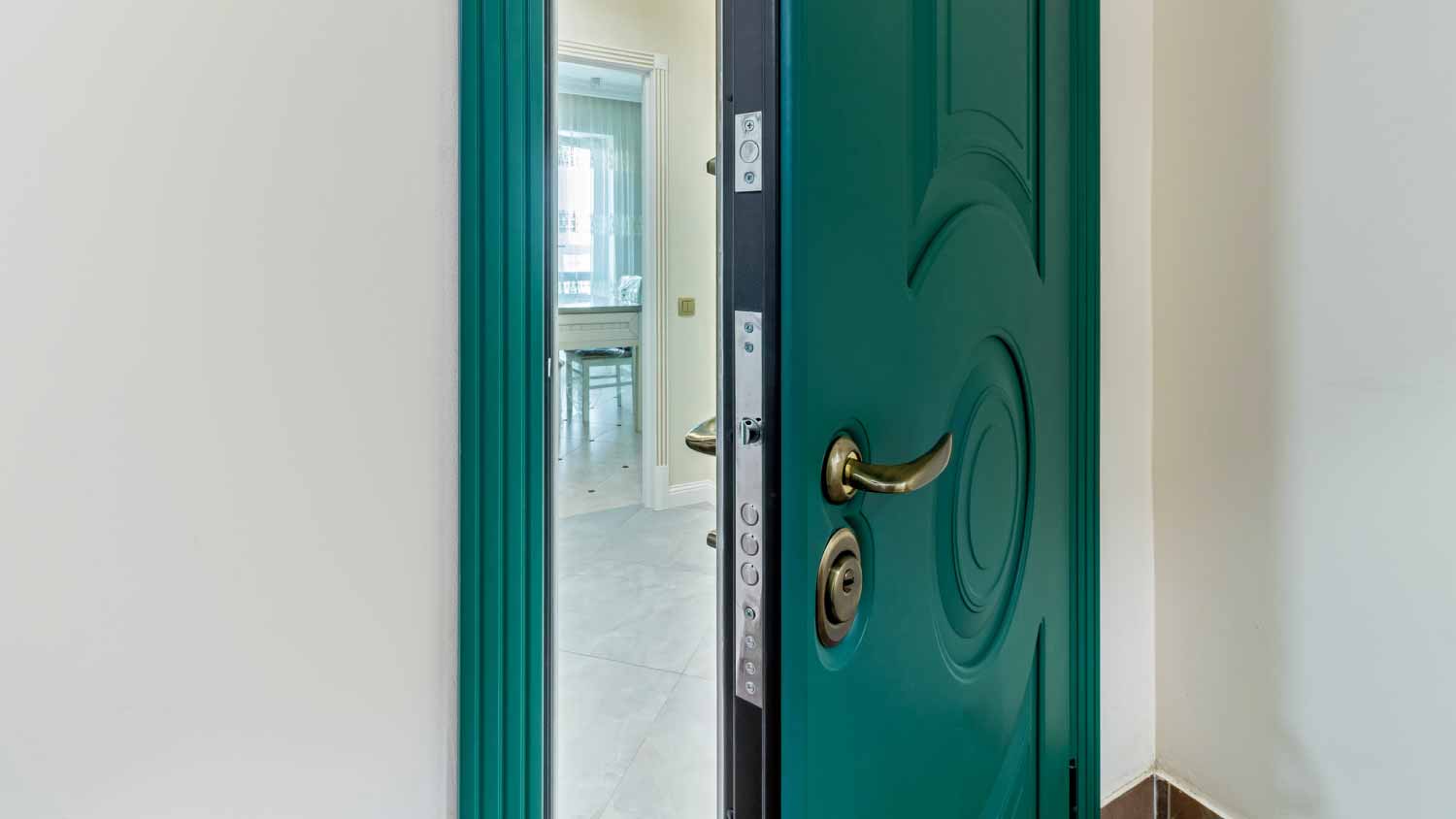
Discover fire door cost data, including installation, materials, and tips to save. Learn what impacts fire door pricing and how to budget for your project.
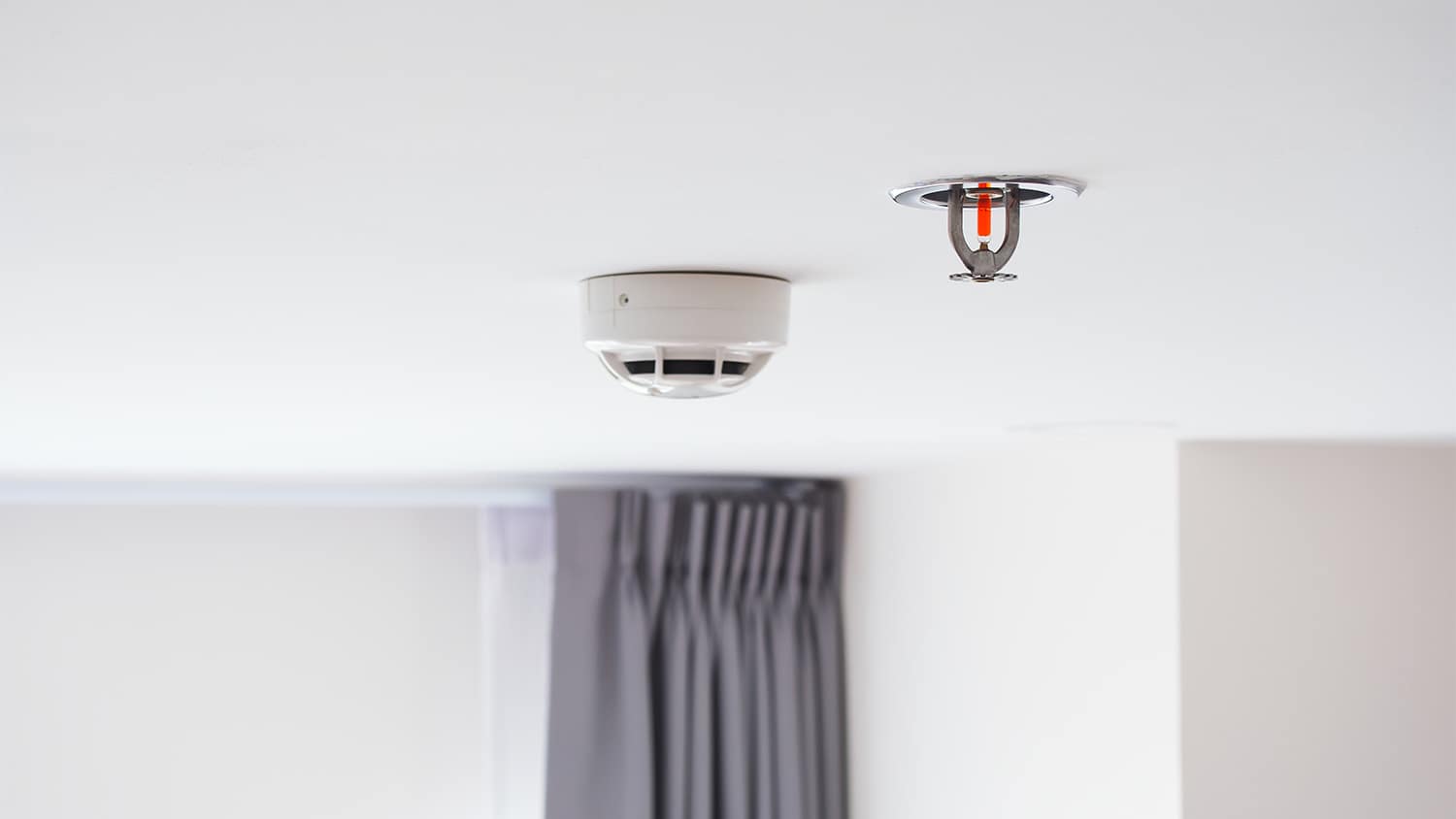
Discover home fire sprinkler system costs, including installation, maintenance, and key cost factors. Learn how to budget and save on your home fire protection.
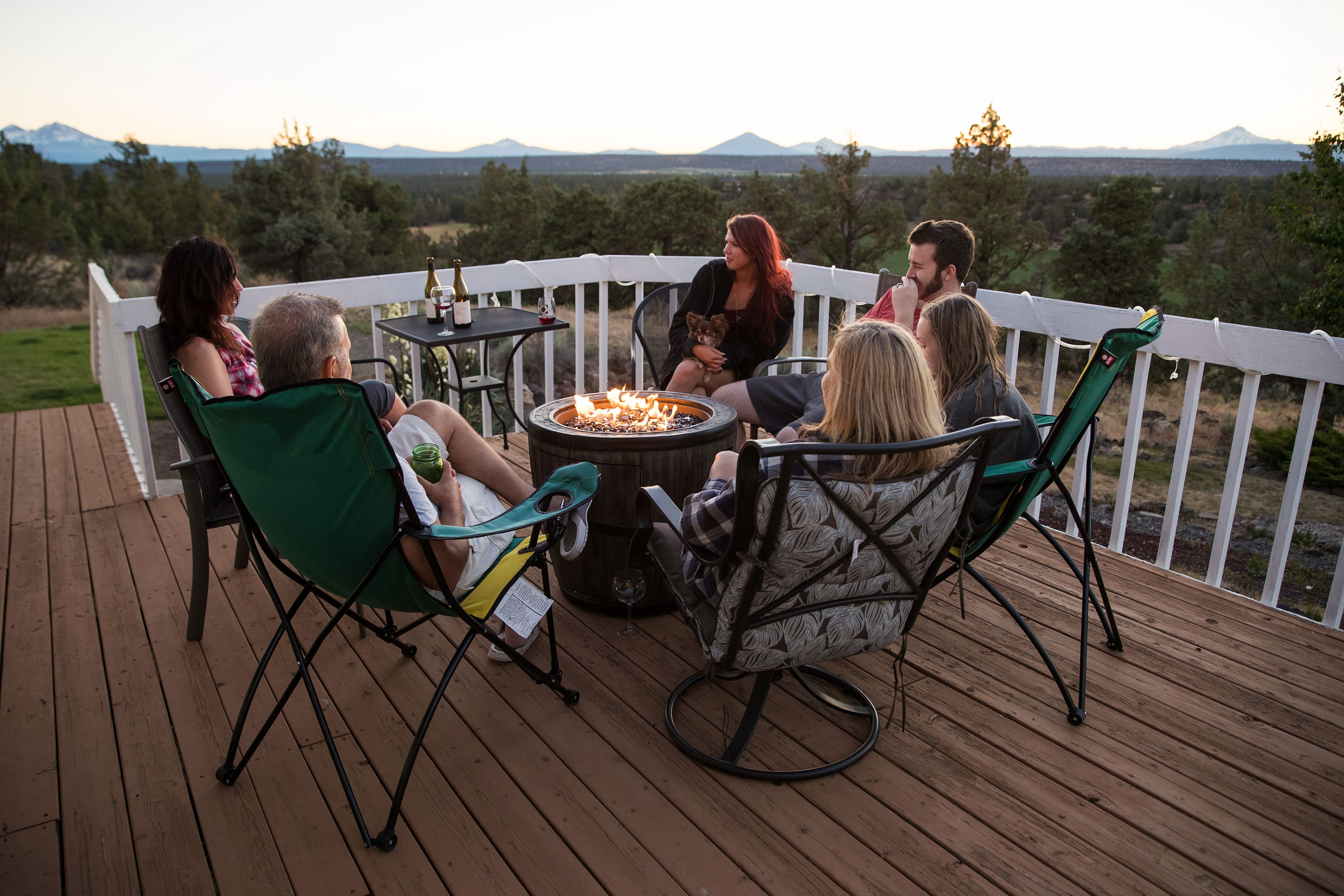
Spark inspiration for your outdoor oasis with these fire pit ideas that will keep you warm and your space inviting for your family and friends.

A fire pit adds attractive entertainment space to your backyard. Learn about standard fire pit dimensions and what factors contribute to fire pit size.

Backyard fire pits add light, heat, and ambiance to your outdoor space. Read on for a summary of a fire pit's key benefits.