
Top-rated excavation pros.

Best excavation pros near Langley, SC

Enter your zip and get matched with up to 5 pros

Need a pro for your excavation project in Langley, SC?

Select your specific project to find the pro for you.

TRUSTED BY LANGLEY, SC HOMEOWNERS

  • Average homeowner rating star icon4.2
    Average homeowner rating
  • Verified reviews icon23
    Verified excavation services reviews

Top-Rated Excavation pros in Langley - Updated Nov 2026

Avatar for E&C Land Management
E&C Land Management
4.8(
8
)
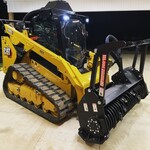
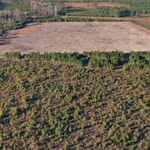
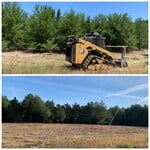
Building Site - Preparation and ClearingBuilding Site - Preparation and Clearing - For Business

Serving Langley, SC and surrounding areas

Approved

Super Service Award Winner

In business since 2020

Free estimates

Emergency services offered

"Love this business. I really recommend this guy! I called him and he very quickly gave me an estimate. Then just a couple of days later he came in and removed 5 of my trees and cleaned up afterward and he also hauled off the trees! Great guy and great service. Highly recommend!!"
Response time6 hrs
8 neighbors recently requested a quote
Recommended by66%of homeowners
Avatar for Tropical Landscaping
Tropical Landscaping
4.2(
50
)
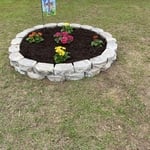
Landscape - Minor Grading or Resloping

Serving Langley, SC and surrounding areas

Approved

In business since 2016

Credit card accepted

Offers commercial services

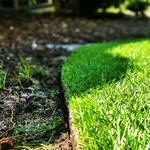
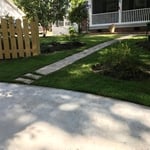
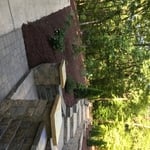
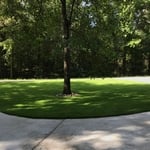
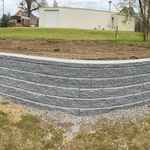
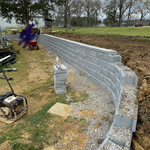
"They did an incredible job on our yard, great communication and showed up on time. They made our yard look absolutely beautiful, they built a retaining wall and did absolutely gorgeous landscaping and put sod in our front and back yard. I would recommend them to anyone they are a 10 out of 10"
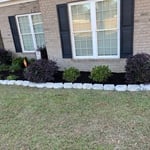
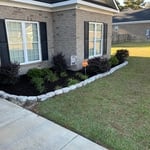
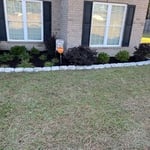
Project Photos
Project Photos
Project Photos
Project Photos
Project Photos

+10

2 neighbors recently requested a quote
Recommended by85%of homeowners
Avatar for Polatty Landscaping & Lawncare
Polatty Landscaping & Lawncare
5.0(
2
)
Landscape - Minor Grading or Resloping

Serving Langley, SC and surrounding areas

Approved

In business since 2022

Free estimates

Credit card accepted

We pride our company on reliability, great communication, \nintegrity, and quality work. We are experts in our trade and will do our best \nto keep you as educated as we can on your particular task or project. We look \nforward to earning your business!

1 neighbors recently requested a quote
...
Showing 1-10 of 111
Excavating FAQs, answered by experts

Hardscaping often requires preparation of the ground in the area where the feature is being installed. This can include digging, compacting, and leveling the soil, ensuring adequate drainage, and removing any existing plants. The extent of preparation needed will depend on the type and size of the hardscaping feature being installed.

The best type of soil to build on is a mixture of sand and clay, known as loam soil. Loam soil has the best combination of these soil types to build a foundation on. The clay particles help with water retention, so it won’t erode like sandy soil might, and the sandy particles help with drainage, so you won’t see unsafe soil expansion or have an increased risk of leaks from water sitting against your foundation.

Because decomposed granite is a durable material, a crushed rock or gravel base is optional as long as the DG is properly installed and compacted. However, installing a base is a good idea because it will ensure proper drainage and stability and act as a weed suppressant (although you may still occasionally have to pull weeds). Installing an adequate base can also increase the durability of driveways and walkways. If you forego the paver base or gravel underneath, line the area with landscaping fabric to avoid weeds.

The best way to protect tree roots is to avoid the roots entirely by excavating outside the root radius of the tree. For nearby projects, it’s a good idea to construct a temporary retaining wall. But that’s not always possible, depending on the project and the root system. In these cases, consider using alternative equipment like an auger to tunnel under the ground.

Remember, tree roots can damage nearby cement foundations as they grow. If a tree is close enough to interfere with large excavations, it may be better to remove the tree than risk future problems.

Trenches are typically 12 to 24 inches deep and 8 inches wide. However, the required depth depends on the specific project and local ordinances. For example, a French drain may need to be 18 inches deep, while a water pipe might require a depth of 24 inches and a drainage pipe 36 inches. Your city or county may have specific regulations, so it's wise to consult with an excavation professional to determine the correct depth for your project.

The Langley, SC homeowners’ guide to excavation services

From average costs to expert advice, get all the answers you need to get your job done.