







Get matched with top roofers in Georgetown, SC

Georgetown homeowners rate roofers in our network

4.3

(474 reviews)

Top-rated roofers.

Need a pro for your roofing project in Georgetown, SC?

Select your specific project to find the pro for you.
Roofing questions, answered by experts

Unfortunately, there’s no definitive answer to this question, but the wind rating of your shingles will give you a good idea of what wind speeds can damage your roof. If you’re concerned about damage, inspect your roof following windy conditions to look for signs of wind damage to your shingles. When in doubt, consider hiring a professional who fixes roofs to carry out an expert inspection. Remember that hurricanes, tropical storms, and tornadoes are likely to cause the most damage, but even severe thunderstorms can bring winds that compromise your roofing system.

The best way to check if a roofing company is legit is by asking the roofer for their license number. They should have no issue providing you with this information if they’re legitimate. You can also look to see if they have an online presence, read reviews, and ask contractors you’ve worked with before if they know the roofing company.

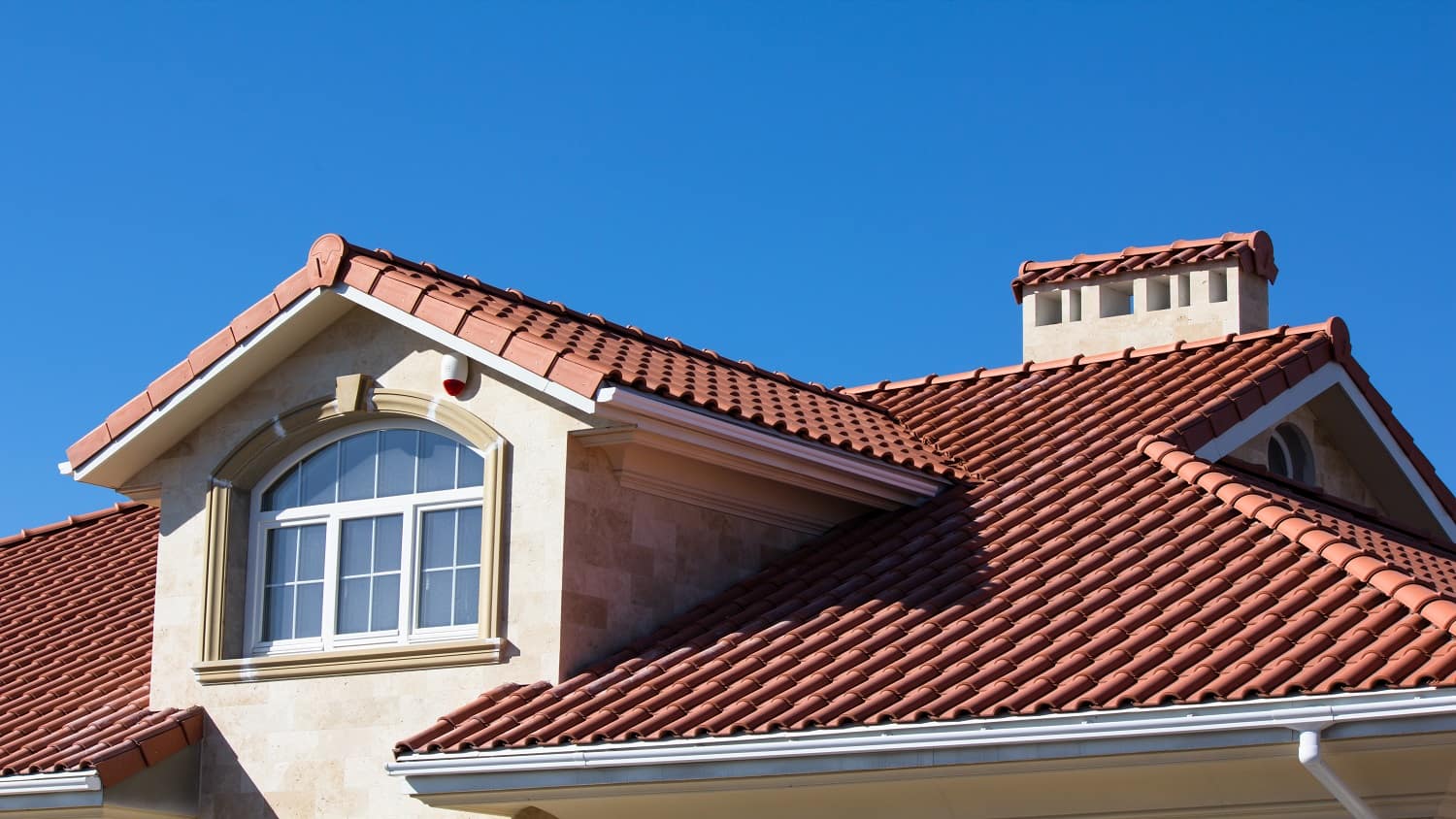
Walking on tiles can chip or shatter them, meaning any kind of DIY repair isn't possible. You need a trained professional to install the tiles and fix any problems. Get in touch with a top-rated tile roof repair contractor near you if your tile roof gets damaged.

Fall is generally considered the best time of year for roof repairs. The weather is temperate and typically drier, which makes for safer working conditions and fewer delays. The days are also still long enough to complete the work.

Spring is another good option and is a popular time for repairs to fix damage from winter storms. However, frequent rainfall can slow down progress. Spring may be a less busy season for roofers than fall.

Summer can also work for roof repairs, but extreme heat can make asphalt shingles too soft and difficult to work with.

The number of roof vents necessary for a 2,000-square-foot house depends on several factors. The calculation depends on the net free area within the attic and whether your municipality requires a 1/150 or a 1/300 ratio of venting square feet to attic square feet. If you install vents with a square-foot opening of one, you'll need either 14 or seven exhaust vents and an equal square-foot amount of intake vents.