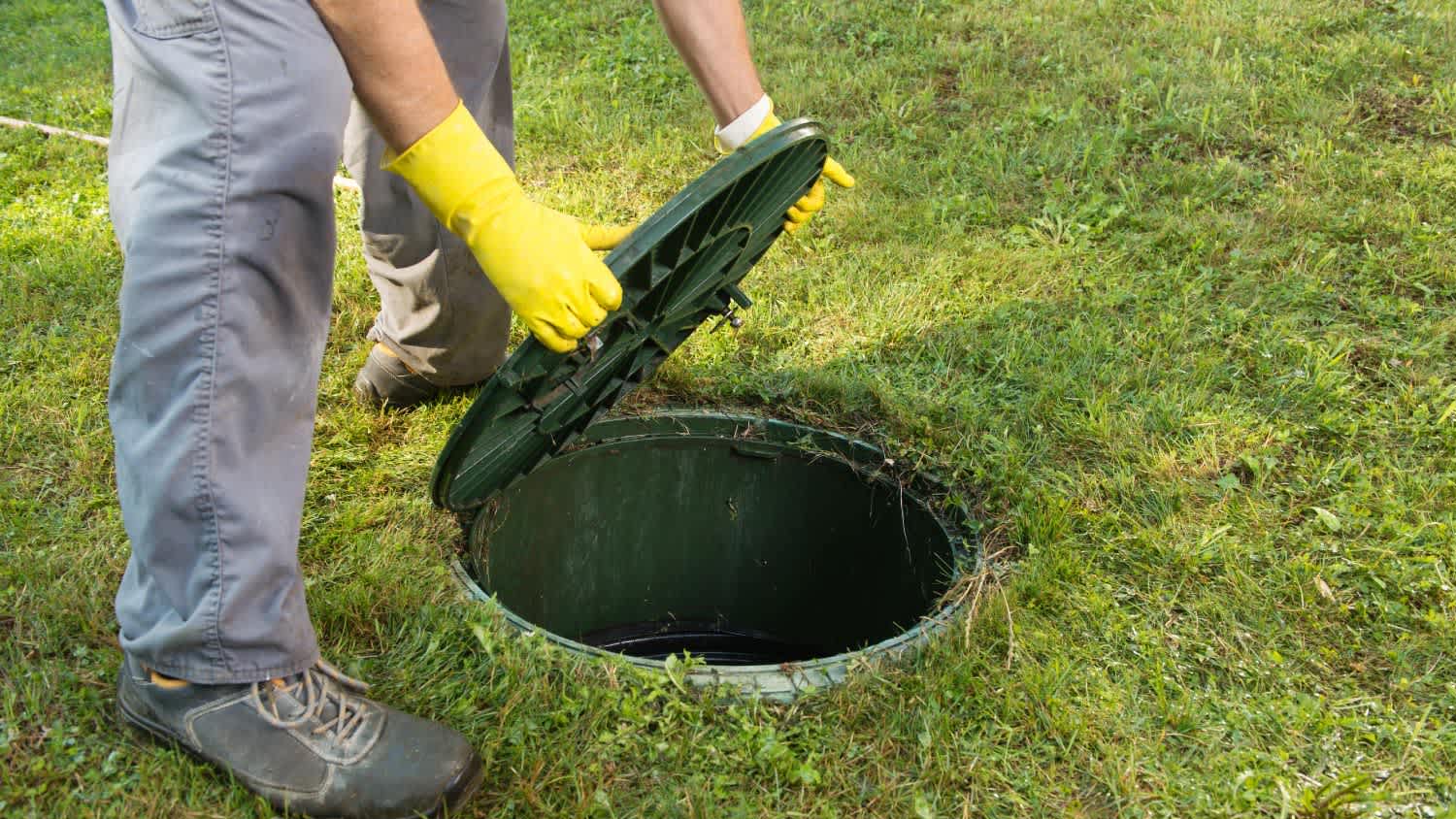









Top-rated percolation testing pros.

Get matched with top percolation testing pros in Gaston, SC

Enter your zip and get matched with up to 5 pros

Need a pro for your percolation testing project in Gaston, SC?

Select your specific project to find the pro for you.

TRUSTED BY GASTON, SC HOMEOWNERS

  • Average homeowner rating star icon4.6
    Average homeowner rating
  • Verified reviews icon897
    Verified percolation testing services reviews

Find Percolation testing pros in Gaston

No results for Percolation testing pro in

Try adjusting your search criteria.
Percolation Tests questions, answered by experts

Since DIY asbestos removal isn’t the best option to save money, there are other steps that you can take to help cut costs when dealing with this project. After speaking with your asbestos removal expert, discuss if encapsulation is an option. If it is, you can save between 15% to 25% on overall project costs over demolition and disposal. In addition, when speaking with your professional, discuss if there are any tax credits available for your removal project. Finally, check with your homeowner’s insurance to see if any removal costs might be covered. However, be aware that this is usually only applicable if the asbestos is due to a covered incident, like a tree falling into your roof.  

Asbestos has many beneficial properties, including fire resistance, strength, and chemical resistance. It is also an excellent insulator, which is why it was used in pipe insulation and other building materials for decades. For all its benefits, asbestos is dangerous for human health, which is why it was eventually banned from use in certain products.

No, you do not have to worry about new popcorn ceilings having asbestos. All residential building materials used since the mid-1980s stopped including asbestos, so new popcorn ceilings have no risk of asbestos. You can still create a textured drywall ceiling with a popcorn texture if you like, but new techniques have no risk of adding asbestos. 

Most manufacturers stopped putting asbestos in linoleum before 1980 due to public concerns about its toxicity. However, the Environmental Protection Agency (EPA) didn’t ban asbestos-containing products until 1989, and a comprehensive ban was not announced until 2024. This means that homes built after 1989 may still have asbestos in their flooring.

The signs of asbestos exposure are often subtle and may not appear for many years, or even decades, after initial contact. This long latency period is one of the primary dangers associated with asbestos.

When symptoms do manifest, they can include:

  • Shortness of breath

  • A persistent, dry cough

  • Chest pain or tightness

  • Fatigue

  • Wheezing

  • Weight loss

  • Difficulty swallowing

  • A dry, crackling sound from the lungs when breathing

These symptoms are non-specific and can be mistaken for other respiratory conditions, making diagnosis challenging. Prolonged exposure can lead to serious diseases as the asbestos fibers cause scarring and inflammation in the lungs. These conditions include asbestosis, lung cancer, and mesothelioma.

Due to the vague nature of early symptoms, regular medical check-ups are crucial for anyone with a known history of asbestos exposure, particularly in an occupational setting. If you suspect asbestos is present in your home, a professional inspection is recommended.

The Gaston, SC homeowners’ guide to percolation testing services

From average costs to expert advice, get all the answers you need to get your job done.