


Top-rated tree service pros.

Get matched with top tree service pros in Valley View, PA

Enter your zip and get matched with up to 5 pros

Need a pro for your tree service project in Valley View, PA?

Select your specific project to find the pro for you.

Find Tree service pros in Valley View

Avatar for JSV Contracting
JSV Contracting
5.0(
5
)
Tree Removal - For Business

Serving Valley View, PA and surrounding areas

Approved

In business since 2005

Free estimates

Small jobs welcome

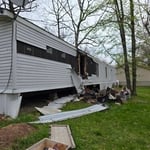
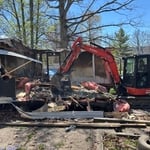
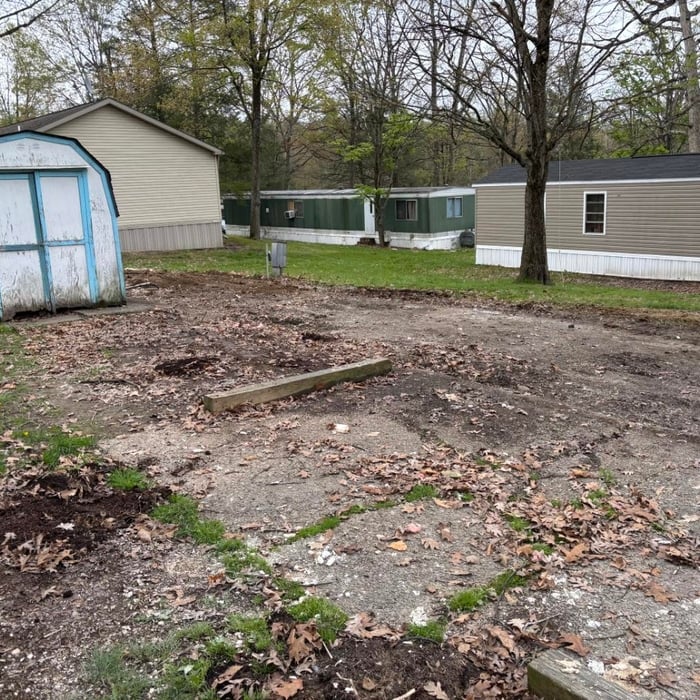
"I got a very efficient and professional job done. I was very happy and highly recommend them. My home caught fire. The structure was removed in less than two days."
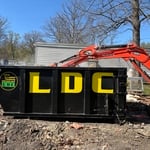
Demolition of mobile home

+1

7 neighbors recently requested a quote

Recommended by40%of homeowners
Avatar for Will's Tree Service and Removal
Will's Tree Service and Removal
4.8(
5
)
Tree RemovalTree Removal - For BusinessTree Stump - Remove+1 more

Serving Valley View, PA and surrounding areas

In business since 2013

Free estimates

Credit card accepted

"Will and his crew worked in a very safe manner while still getting the job done quickly. They did a great job with the clean up as well. I liked the fact that he used a cordless chain saw for most of the work. the quietest tree I ever heard felled. great job guys. Huge Rocky Grove White Oak."
logo
Response time2 days
Recommended by100%of homeowners
...
Showing 1-10 of 73
Tree Service questions, answered by experts

The recovery time for pruning depends on how much you prune, the species of tree, and how well you care for it afterward. All trees grow new wood and often sprout additional branches after pruning. Ideally, trees should recover from normal pruning after one or two years. Heavy pruning or slow-growing trees may take several years to fully recover.

There are several signs that may indicate a tree needs to be cut down. These include visible damage to the trunk or branches, a hollow trunk, extensive storm damage, or a significant lean to one side. Other warning signs are pest infestations or the tree growing too close to a house, power lines, or other structures. It is best to hire a professional arborist to inspect the tree, as they can determine if it can be saved or if removal is necessary.

The cost of professional tree service, such as trimming, is $460 on average, but the price can range from $75 to $1,800. A more typical range is between $200 and $760. The final price depends on several factors, including the size and type of the tree. For example, trimming Crepe Myrtle trees costs an average of $80 to $400, while giant pine trees can range from $200 to $1,800. Other factors that influence the cost include the time of year, as services are often more expensive in the spring. Your location can also play a role; costs may be higher if you live in a remote area or if the tree is difficult to access. However, some professionals may offer a discount if you have multiple trees that need service.

There are several methods to hollow out a tree stump, and the best one depends on your tools, experience, and priorities. Common methods include using a chisel and hammer, a chainsaw, or burning.

  • Chisel and Hammer: This is often considered the easiest approach for those with limited tools or experience, though it is the most time-consuming.

  • Chainsaw: Using a chainsaw is the fastest method, but it comes with significant safety risks, especially for inexperienced users.

  • Burning: This can be an effective method, but it is not recommended unless you can first drill holes into the stump. Without holes, the stump will be difficult to light and may not burn completely through.

A power drill with at least a ⅜-inch diameter bit can make the job quicker and easier, regardless of the primary method. While you can use a chisel or chainsaw without a drill, it will require more time and effort. Always wear protective goggles and thick gloves, as splinters are an inevitable risk.

The best way to protect tree roots is to avoid the roots entirely by excavating outside the root radius of the tree. For nearby projects, it’s a good idea to construct a temporary retaining wall. But that’s not always possible, depending on the project and the root system. In these cases, consider using alternative equipment like an auger to tunnel under the ground.

Remember, tree roots can damage nearby cement foundations as they grow. If a tree is close enough to interfere with large excavations, it may be better to remove the tree than risk future problems.

The Valley View, PA homeowners’ guide to tree services

From average costs to expert advice, get all the answers you need to get your job done.