

Top-rated excavation pros.

Best excavation pros near Saint Clair, PA

Enter your zip and get matched with up to 5 pros

Need a pro for your excavation project in Saint Clair, PA?

Select your specific project to find the pro for you.

Top-Rated Excavation pros in Saint Clair - Updated Nov 2026

...
Showing 1-10 of 70
Excavating FAQs, answered by experts

Yes, you can technically make a crawl space liveable, but the only way to do so is by converting it into a basement. While some crawl spaces are big enough to walk through and store large items, they lack appropriate insulation and space to be liveable.

Professional installers often include a deep layer of crushed gravel under permeable pavers to allow more runoff to soak through into the soil below. Many installations will include multiple layers of gravel, with coarser aggregate at the base and finer aggregate that sits on top of that bottom layer. Above the gravel, you’ll often find coarse sand that helps reduce paver shifting over time. Some permeable paver designs include a water collection system set into the gravel layer to route runoff to a safe area for disposal.

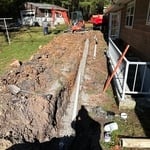
Trenching is a specific kind of digging. Trenching means digging a depression in the earth that’s deeper than it is wide, often with heavy machinery. Digging refers to any kind of removal of earth in order to create a human-made depression, hole, or cut in the earth’s surface. You can dig with big tools or even with just a hand shovel.

The best method for digging a trench depends on the scope of the project. For a short, shallow trench (less than 2 feet deep) in light, soft soil, digging by hand may be sufficient. However, digging by hand is labor-intensive, so consider the effort required. A machine trencher is the better option for longer trenches (over 100 feet), deeper ones, or when dealing with difficult soil conditions, such as rocky or hard ground, or obstructions like tree roots. A machine can save significant time and energy in these situations.

In the United States, a depth of 36 inches (three feet) for underground water lines is the accepted industry standard. This depth varies from location to location based on local conditions. In areas with colder winters, they may be buried deeper to prevent frozen well water pipes : This is usually at least six inches below the frost level. The International Plumbing Code calls for a minimum of 12 inches below grade.

The Saint Clair, PA homeowners’ guide to excavation services

From average costs to expert advice, get all the answers you need to get your job done.