






Top-rated excavation pros.

Get matched with top excavation pros in Zerbe, PA

Enter your zip and get matched with up to 5 pros

Need a pro for your excavation project in Zerbe, PA?

Select your specific project to find the pro for you.

Find Excavation pros in Zerbe

Avatar for E&M land services
E&M land services
New to Angi
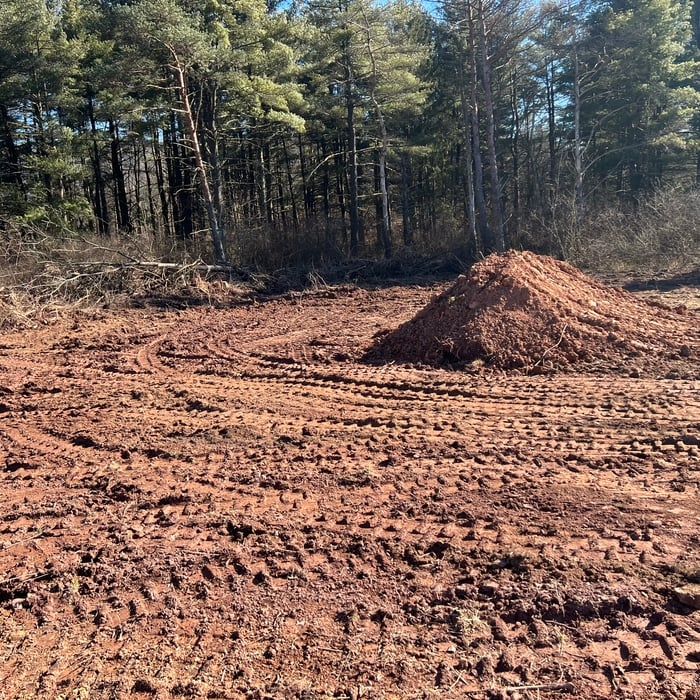
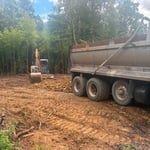
Building Site - Preparation and Clearing

Serving Zerbe, PA and surrounding areas

Approved

Free estimates

Emergency services offered

Small jobs welcome

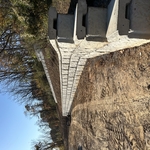
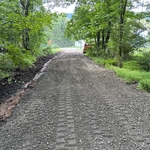
Hello All,\n\nWe'd like to welcome you to the E&M family. \n\nWe are a small Christian family owned company, we strive to not only serve our customers but also our community.\n\nHere at E&M we specialize in a wide variety of services like, brush mowing/land clearing, driveway repair and grading, excavation, and snow removal.\n\nWe thank for checking us out and we look forward to serving you!

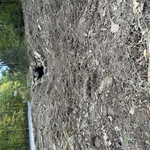
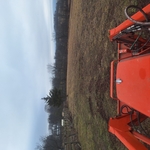
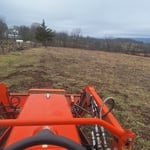
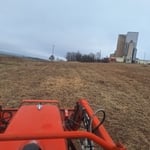
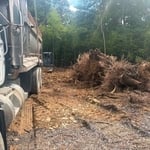
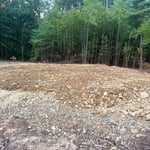
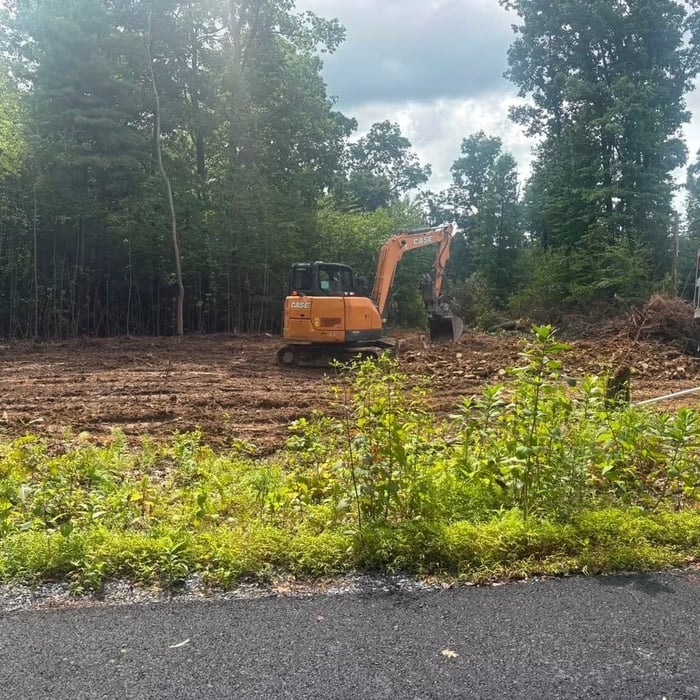
Brush mowing
Brush mowing
Brush mowing
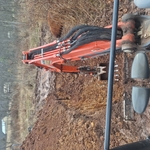
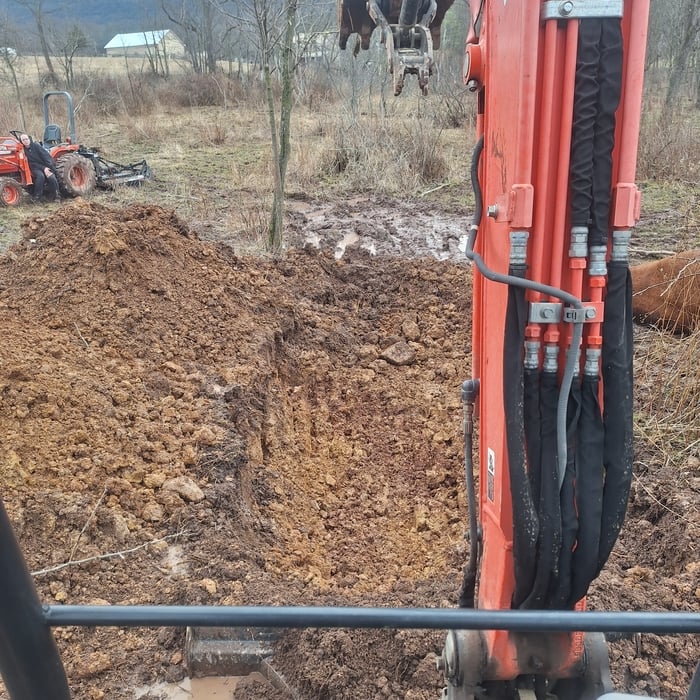
Livestock burial
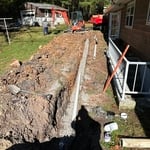
Starting the dig

+13

...
Showing 1-10 of 76
Excavating questions, answered by experts

Septic drain lines (or leach lines) are typically buried between 18 and 36 inches underground, and should be at least 6 inches below the surface. These pipes are perforated and surrounded by filtering materials like sand or gravel. Burying the lines at this depth helps minimize odors and allows bacteria and other biological processes in the soil to effectively treat the wastewater. Burying lines too close to the surface can cause issues unless the soil is very compact and stable.

You can dig 60 to 80 linear feet by hand per day depending on the depth. Digging a 100-foot trench by hand will take you two work days, but it can take longer if you have heavy or rocky soil. If you’re digging a deep trench or one that’s over 100 feet, consider renting a mechanical trencher, such as a walk-behind or ride-on, or calling a pro for help. 

Yes, you can excavate in the winter, but it might make the job harder. Frozen ground is harder to dig, and snow or ice can make the work site more hazardous. A contractor may need special equipment and techniques, such as ground-thawing methods, to break through frozen soil. Although winter excavation is possible, it may take longer and be more costly than excavating during warmer months.

No, a ditch isn’t a trench. A ditch is an open, relatively shallow channel that’s carved out of the ground and used for drainage purposes. In contrast, a trench is a deeper excavation that’s entirely underground. Trenches have many uses, including gas lines, sewage systems, and electrical wiring. Unlike trenches, ditches don’t get filled back in with dirt after they’re dug.

Hard soil could be a sign of overly dry dirt, either from poor drainage or drought. It's important to test the nutrient levels, density, and drainage capacity of your soil to see if it's absorbing water properly. Begin by adding a light layer of water and observing how long the soil retains moisture. If you experience a good deal of runoff, you may need to aerate your lawn, apply a wetting agent, or hire a professional for a closer look.

The Zerbe, PA homeowners’ guide to excavation services

From average costs to expert advice, get all the answers you need to get your job done.