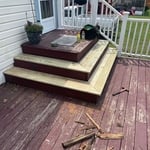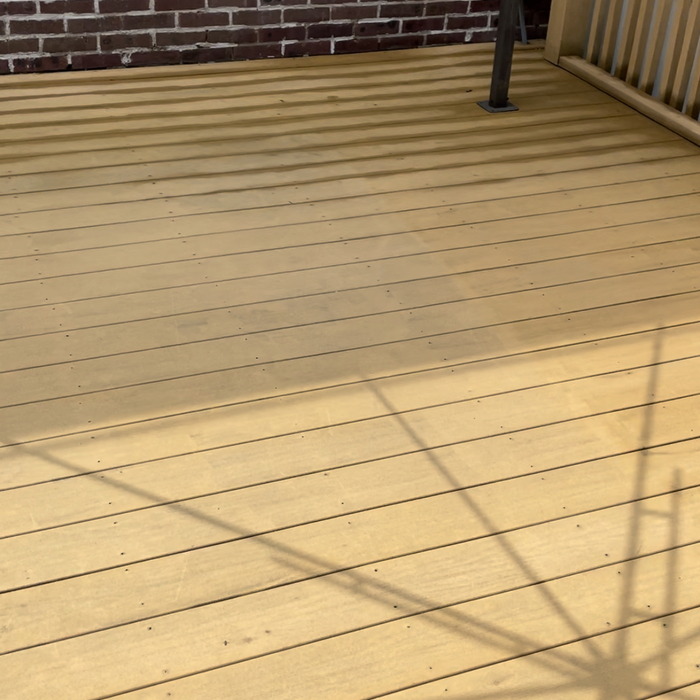









Top-rated fire pit installation pros.

Get matched with top fire pit installation pros in Rutledge, PA

Enter your zip and get matched with up to 5 pros

Need a pro for your fire pit installation project in Rutledge, PA?

Select your specific project to find the pro for you.

TRUSTED BY RUTLEDGE, PA HOMEOWNERS

  • Average homeowner rating star icon4.4
    Average homeowner rating
  • Verified reviews icon354
    Verified fire pit installation services reviews

Find Fire pit installation pros in Rutledge

No results for Fire pit installation pro in

Try adjusting your search criteria.
Fire Pit Installation questions, answered by experts

If a storm or other natural disaster occurs in your area, you may not have immediate access to help. According to the U.S. Federal Emergency Management Agency, keep a disaster preparedness kit in your home with enough essentials to sustain your family for at least 72 hours. Put this in an easily accessible location to have it handy in case anything unthinkable happens.

Yes. It’s okay to leave a pellet stove on overnight, and these stoves can provide 24 to 48 hours of warmth from one ignition. However, you should practice proper pellet stove maintenance, like cleaning the burn pot before each use, deep cleaning the unit at least once per year, and running the fan when the stove is lit.

Ensure proper ventilation, fix leaks, and schedule regular pest inspections to protect your property.

No, it is not safe to use an outlet that sparked. A spark from an outlet could indicate a short circuit, loose or frayed wiring, or other serious damage. Continuing to use an outlet that sparks can increase the risk of electrical shock, electrical fires, and other hazards. It's important to turn off the power to the outlet at the circuit breaker if possible and avoid using the outlet until a licensed electrician has inspected and repaired it.

Generally, an oil furnace is considered safer than a gas furnace for several reasons. While both types of furnaces can produce carbon monoxide, a leak in an oil furnace is easier to detect due to the smell. Oil furnaces also don't connect to a gas pipeline, which reduces the chance of a fuel leak. Most importantly, heating oil is not combustible, whereas natural gas is highly flammable. This means there is a much lower risk of combustion or explosion with an oil furnace. However, an oil furnace can still pose a fire hazard if it tips over.

The Rutledge, PA homeowners’ guide to fire pit installation services

From average costs to expert advice, get all the answers you need to get your job done.