
Top-rated structural engineers.

Get matched with top structural engineers in Roscoe, PA

Enter your zip and get matched with up to 5 pros

Need a pro for your structural engineering project in Roscoe, PA?

Select your specific project to find the pro for you.

Find Structural engineers in Roscoe

Avatar for NEC Solutions, LLC
NEC Solutions, LLC
5.0(
14
)

Serving Roscoe, PA and surrounding areas

In business since 2015

Free estimates

Emergency services offered

"Dee is a solid guy and excellent engineer. My project required him to design and create the engineering specs to navigate our town's permitting process. His thoroughness exceeded my expectations. I recommend and trust Dee on any future project."
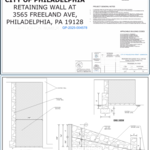
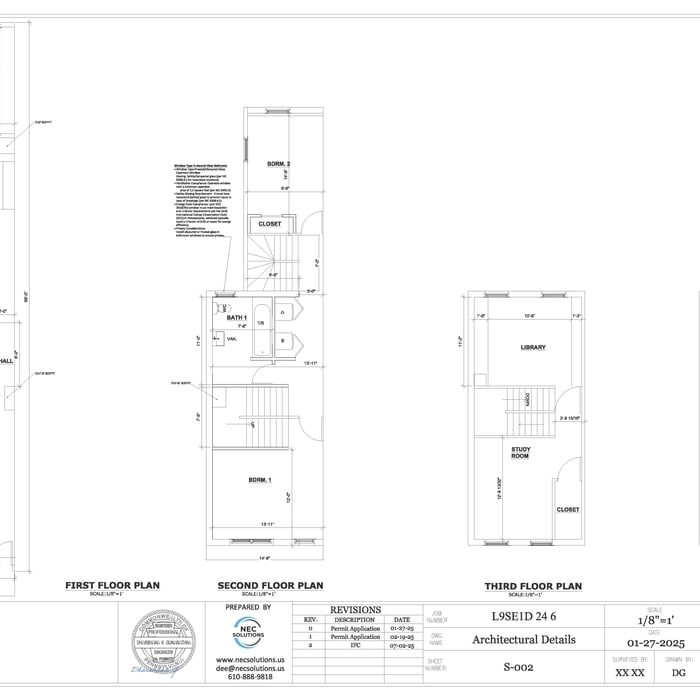
Swimming Pool permit
E&S Detail
Proposed Design
Electric Plan

+10

Response time7 hrs
Recommended by54%of homeowners
Gerhart Engineering Company
4.0(
162
)

Serving Roscoe, PA and surrounding areas

In business since 1988

Free estimates

"Tim, is extremely Knowledgeable in his field. He showed up on time and he was pleasant and nice to work with. Tim put together drawings for a retainer wall I had built. I was very pleased with the drawing. He certified the drawing and signed off. Tim, thanks a lot. I highly recommend Tim if you need an experience Engineer that deals with retainer walls. Wanda. Langhorne, PA -Residence Customer."
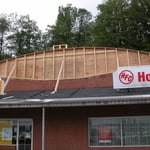
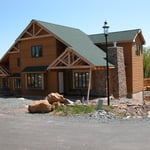
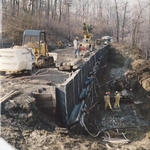
Zhang Retaining wall in Sewickley, PA
 Custom drillrig@Wallanpaupack Dam
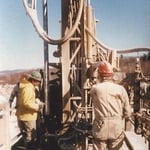
 D4 drilling for 100 kip anchor
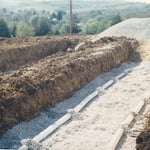
 Installing residential seepage bed
 Tolans drill rig for extinguishing mine fire

+23

Recommended by91%of homeowners
Ed Brenkus
4.1(
57
)

Serving Roscoe, PA and surrounding areas

In business since 1992

"Ed responded to our request for a structural engineer consult very quickly, and was able to come out and give us a consult within 2 hours (and on a Saturday). His assessment of the detached garage walls of a home we are about to buy provided both us and the sellers much more peace of mind in moving forward with the deal; he provided options that would likely be more permanent (which is what we wanted) and cost less to repair, and represented the objective opinion we needed. All the contractors we had talked to were just confusing and upsetting us with differing recommendations and cost estimates. We highly recommend Ed Brenkus..."
Recommended by19%of homeowners
Structural Engineering questions, answered by experts

You should avoid drilling or cutting into load-bearing beams because removing material will weaken it and increase the risk of structural damage or even collapse. If you do need to drill into a load-bearing beam, speak with a structural engineer first to discuss where it’s safest to drill and the width and depth of the bit that’s safe to use.

First, most contractors will have a structural engineer create a report and plan for your project to ensure it’s safe to cut into the load-bearing wall. The contractor will then excavate around the wall, if necessary, measure the opening—allowing for additional space to fit and level the door, and then cut the doorway out. They will likely install a steel lintel as a header over the door for support. Once the doorway is cut out, they’ll demolish the concrete using sledge hammers and masonry chisels, clean up the surrounding concrete, and seal around the door with masonry mortar. 

If you’re building new construction or adding onto your existing home, hiring a structural engineer is not only worth it but it’s probably required by your local building department. Structural engineers will ensure you aren’t making your home unsafe in the building process, which is crucial from a safety perspective but also a legal one. It’s also worth hiring a structural engineer if you’re making changes to structural components, like removing a load-bearing wall.

Costs depend on unit complexity, labor, wall mounting needs, and additional accessories like floating shelves.

The depth of any foundation style depends on your climate and how deep the frost line is, as building code requires that the footers of a foundation—which are built into a monolithic slab—sit at least a foot below the frost line. At the southern tip of Florida, for example, a monolithic slab foundation would only need to sit 12 inches under the soil at the widest parts. On some parts of the Canadian border, the frost line is 100 inches, which would mean a minimum of 112 inches, which is prohibitively deep for a monolithic slab.

The Roscoe, PA homeowners’ guide to structural engineering services

From average costs to expert advice, get all the answers you need to get your job done.

What do you need done? We’ll find top pros.
  • 🌱 "Mow a small front yard"
  • 🛠 "Fix a leaking pipe under the sink"
  • 🏠 "Repair shingles on an asphalt roof"