





Top-rated fencing pros.

Get matched with top fencing pros in Palmerton, PA

Enter your zip and get matched with up to 5 pros

Need a pro for your fencing service project in Palmerton, PA?

Select your specific project to find the pro for you.

TRUSTED BY PALMERTON, PA HOMEOWNERS

  • Average homeowner rating star icon4.6
    Average homeowner rating
  • Verified reviews icon36
    Verified fencing services reviews

Find Fencing pros in Palmerton

Avatar for Stewart Boys
Stewart Boys
5.0(
3
)
Barbed Wire Fence - InstallBarbed Wire Fence - RepairChain Link Fence - Install+7 more

Serving Palmerton, PA and surrounding areas

In business since 2020

Free estimates

Emergency services offered

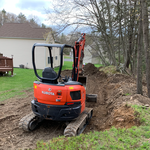
"Great again, hired them back two weeks after they came do yardwork and land clearing they put up my fence, row my entire property, a chain-link and salt a chain-link gate at the front of the property so people couldn’t use my driveway as a U-turn put an electric gate opener on there and they came out perfect I will be using them in the future and from now on they are my go to company"
Handymen Project
Handymen Project
Handymen Project
Additional Photos
Additional Photos

+16

Recommended by100%of homeowners
...
Showing 1-10 of 78
Fencing questions, answered by experts

A silt fence should be buried in a trench that is 6 to 12 inches deep. A depth of at least 6 to 8 inches is necessary to prevent water and sediment from running underneath the fence. A deeper trench, up to 12 inches, provides better anchoring during wet and windy weather. To ensure proper installation, look for a red line on the silt fence fabric, which often indicates the correct burial depth. Always adhere to local guidelines and regulations; a professional contractor will be familiar with these requirements.

Post depth for shadowbox fences should be at least two feet deep plus an additional foot for every foot of fence height above four feet. For a standard six-foot fence, this means a minimum depth of 3 feet. This depth helps to protect the structural integrity of your fence in the face of wind, soil movement, and seasonal ground shifts

There’s no definitive answer to this question because dog owners and experts are conflicted about the efficacy and morality of electric fences. However, physical fences are typically considered a better option since they provide guaranteed containment for your pup, provided they are tall enough, and your dog can’t dig under them. Physical fences can also provide privacy, which might stop your dog from barking at people or animals walking by. Physical dog fences tend to be more expensive, but most homeowners find them to be a better option overall.
The best under-gate dog barrier is one that extends to the ground. This effectively keeps dogs in and won't give them room to squeeze through. However, dogs that dig can still get under the barrier. Deter digging by paving the ground beneath the gate or filling it in with rocks or gravel. Be careful using wire to extend dog gates, as the sharp ends may cut or hurt your dog's paws.

The lifespan of a fence can range from 5 to 50 years, depending heavily on the material, local climate, and how well it is maintained. For example, a wooden fence might last 7 to 15 years, while a vinyl fence typically lasts 20 to 30 years. Metal, composite, and glass fences have some of the longest lifespans. Proper maintenance, such as regular cleaning, inspections, and staining or sealing for wood, is key to extending the life of any fence material. Vinyl and composite are durable options that don't require sealing.

The Palmerton, PA homeowners’ guide to fencing services

From average costs to expert advice, get all the answers you need to get your job done.