






Top-rated radon detection and reduction specialists.

Best radon detection and reduction specialists near Oxford, PA

Enter your zip and get matched with up to 5 pros

Need a pro for your radon detection and reduction project in Oxford, PA?

Select your specific project to find the pro for you.

Top-Rated Radon detection and reduction specialists in Oxford - Updated Nov 2026

Avatar for SIS Mold & Home Inspections
SIS Mold & Home Inspections
5.0(
2
)
Radon Gas - Testing

Serving Oxford, PA and surrounding areas

Approved

In business since 2015

Free estimates

Credit card accepted

"I have worked with SIS on numerous occasions as I completely trust them with my testing needs (mold & radon). They are responsive and knowledgeable, having extensive training and experience. Bob and Mary Ann are professional and courteous while providing a competitive price for their services. I highly recommend SIS for mold and radon testing!"
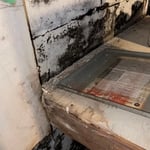
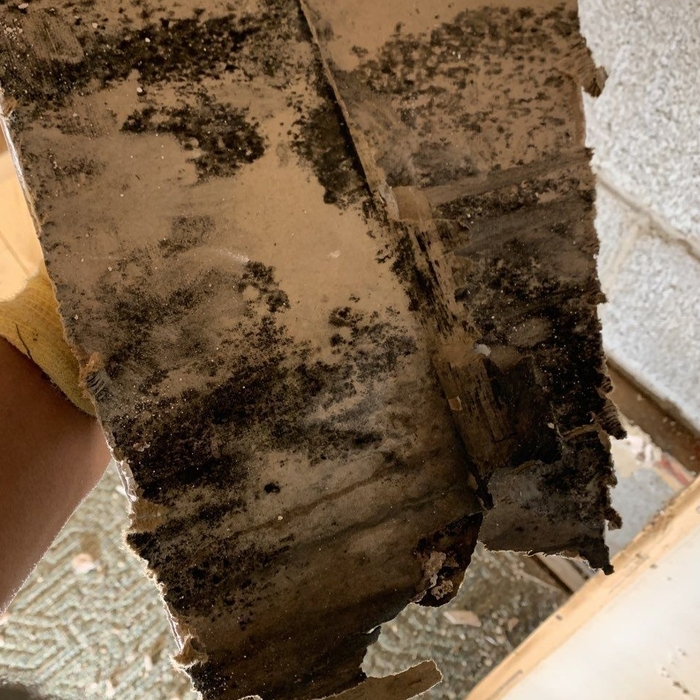
Toxic Mold
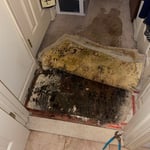
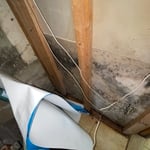
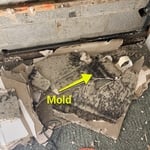
Mold under rug at bathroom
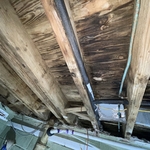
Subfloor and joist
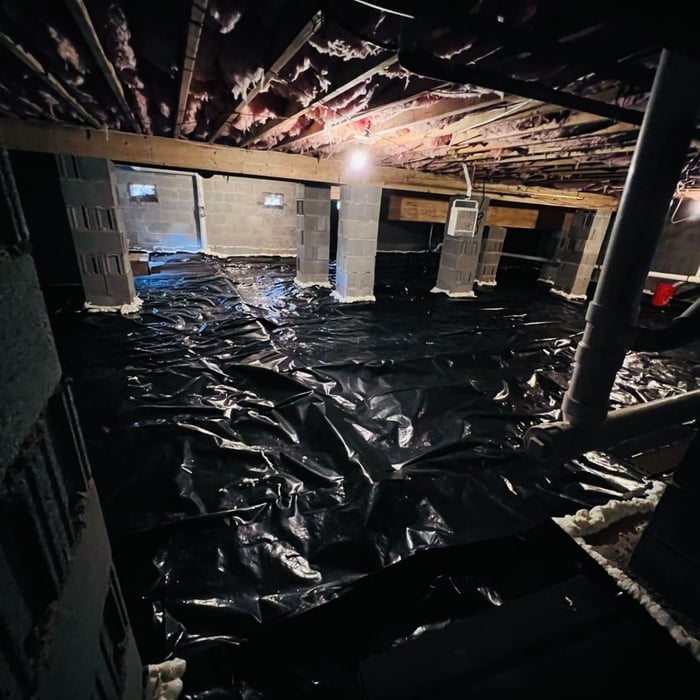
Basement Closet
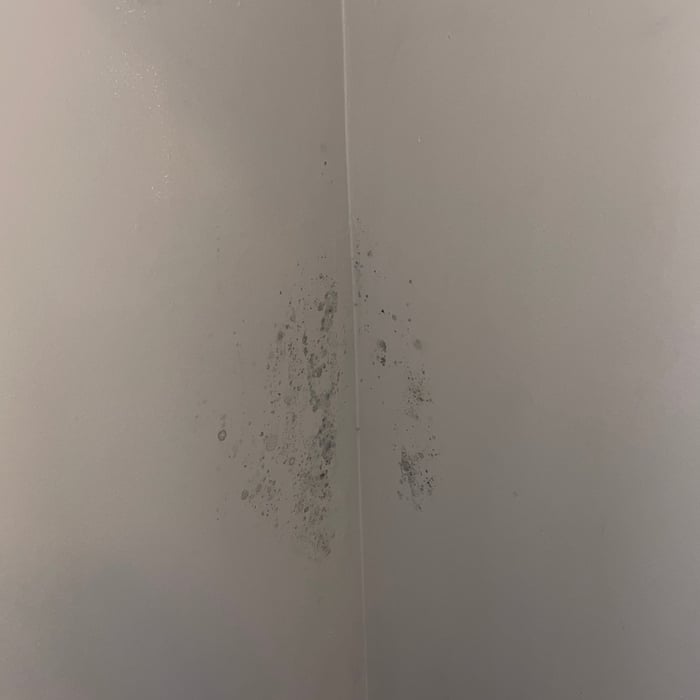
Bedroom Closet

+3

Response time4 hrs
Recommended by100%of homeowners
Avatar for Keystone Radon Mitigators
Keystone Radon Mitigators
4.7(
43
)
Radon Gas - AbatementRadon Gas - Testing

Serving Oxford, PA and surrounding areas

In business since 2008

Free estimates

Emergency services offered

"adon After I contacted him, he responded promptly.  While evaluating the area that needed radon mitigation, he called to discuss an area that had not been evaluated by inspectors (not affiliated with him).  After accepting his price, we agreed on the day for the installation.  During the installation, he was respectful and communicative.  After completing the installation, he provided written warranties for me and the buyer.  I highly recommend Keystone Radon Mitigators.
"
Recommended by94%of homeowners
Avatar for Flood Crew LLC
Flood Crew LLC
4.6(
40
)
Radon Gas - AbatementRadon Gas - Testing

Serving Oxford, PA and surrounding areas

In business since 2008

Free estimates

Emergency services offered

"Bill was very responsive and did a very thorough assessment of the water damage. He provided a detailed estimate for the work at a fair price. My homebuilder agreed to repair the damage and I didn’t need to hire Flood Crew LLC. I would hire Flood Crew LLC in the future if needed."
After carpets were cleaned.
Before and after of Medallion
After color sealed
Apartment carpet cleaning
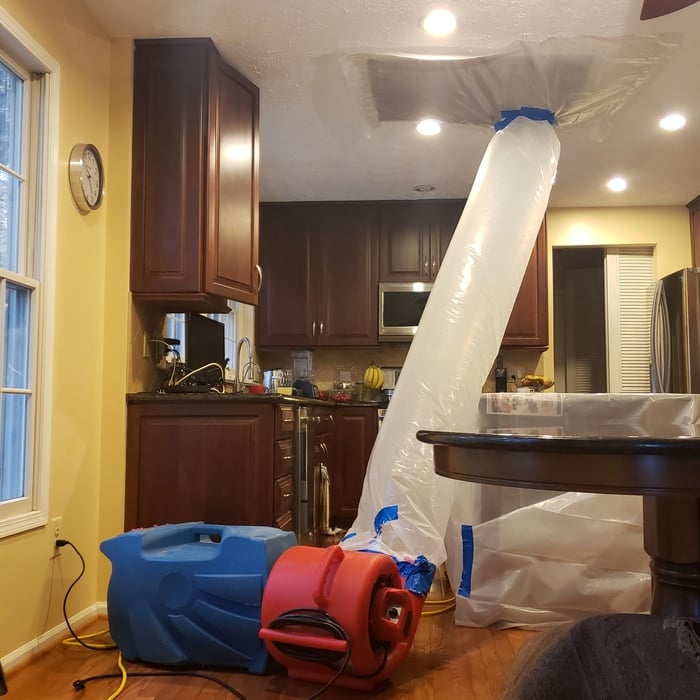
Drying bathroom wood subfloor from kitchen using indirect control heat, controlled by thermostat we set in place

+57

Recommended by88%of homeowners
Showing 1-10 of 13
Radon Detection and Reduction FAQs, answered by experts

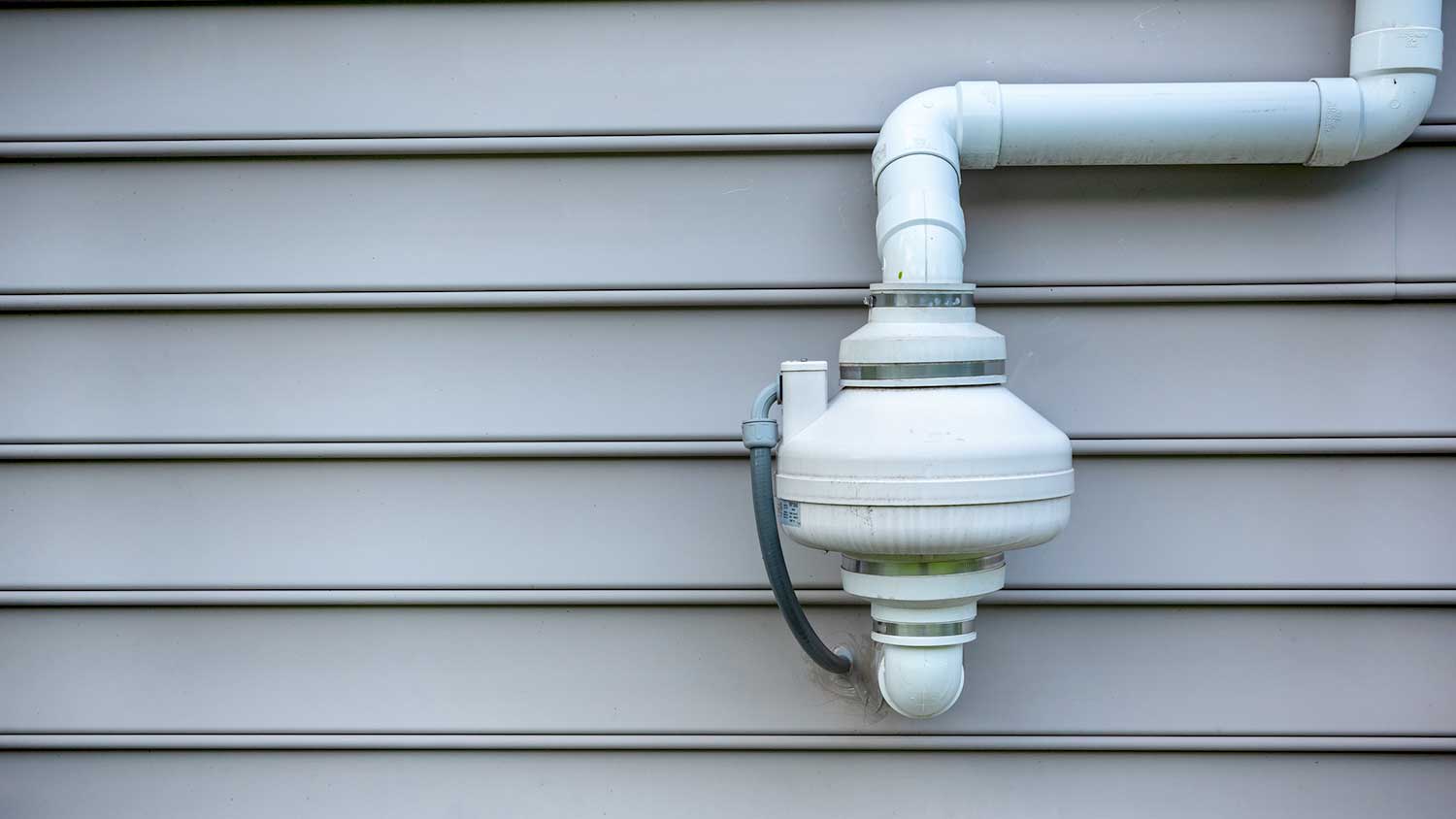
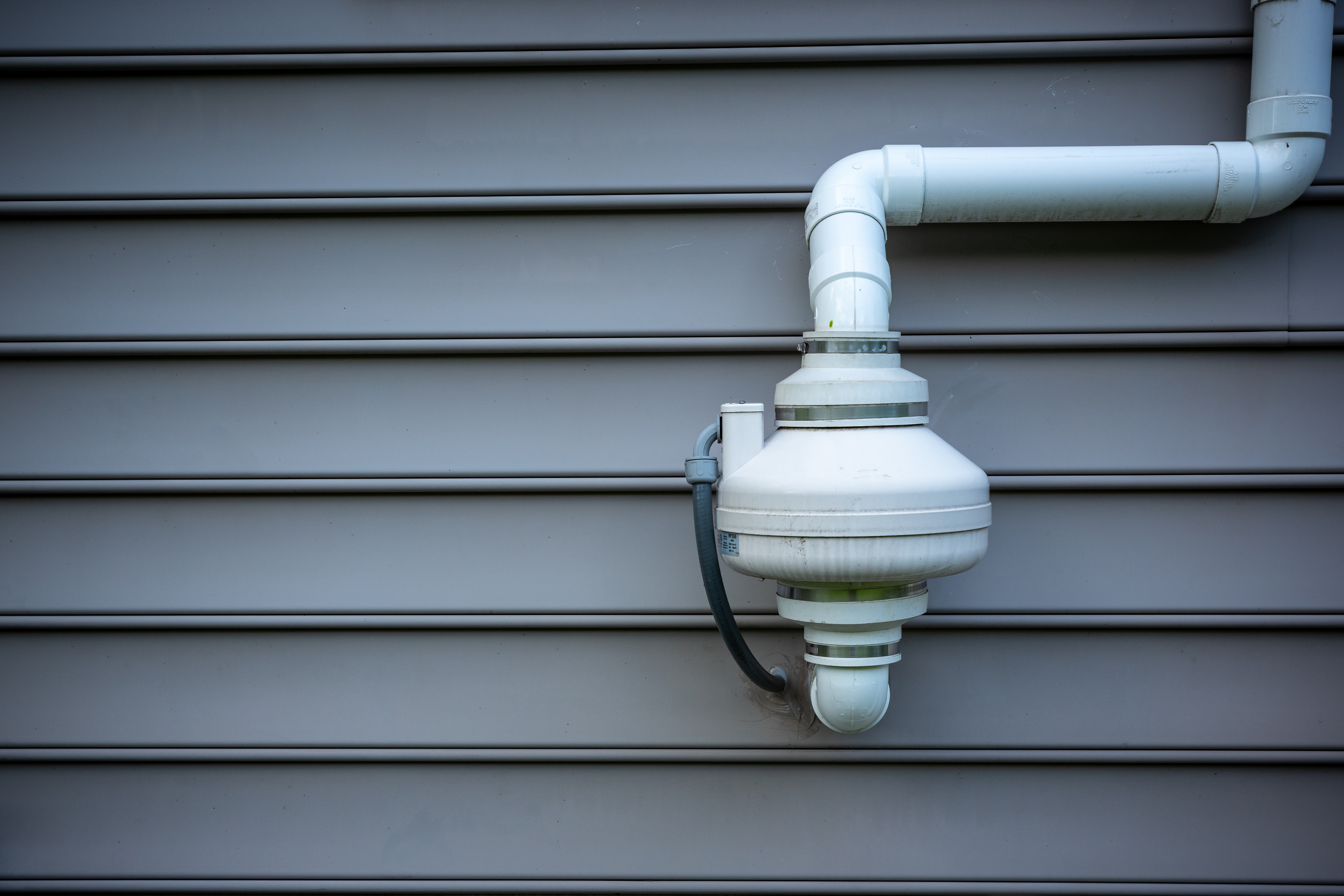
The average radon mitigation system uses about 876 kWh of electricity per year, although the exact amount of electricity used will vary depending on the size of the radon fan. Once the system is installed, the annual increase to your energy bill could range from $30 to $300 per year, again depending on the size of the fan.

No, air purifiers are not an effective way to reduce or remove radon. Radon is a radioactive, inert gas that cannot be filtered by standard air purifiers, which are designed to capture particulates like dust and mold. While an air purifier can improve indoor air quality by removing other pollutants, it should not be relied upon for radon. The only effective solution for high radon levels is a dedicated radon mitigation system.
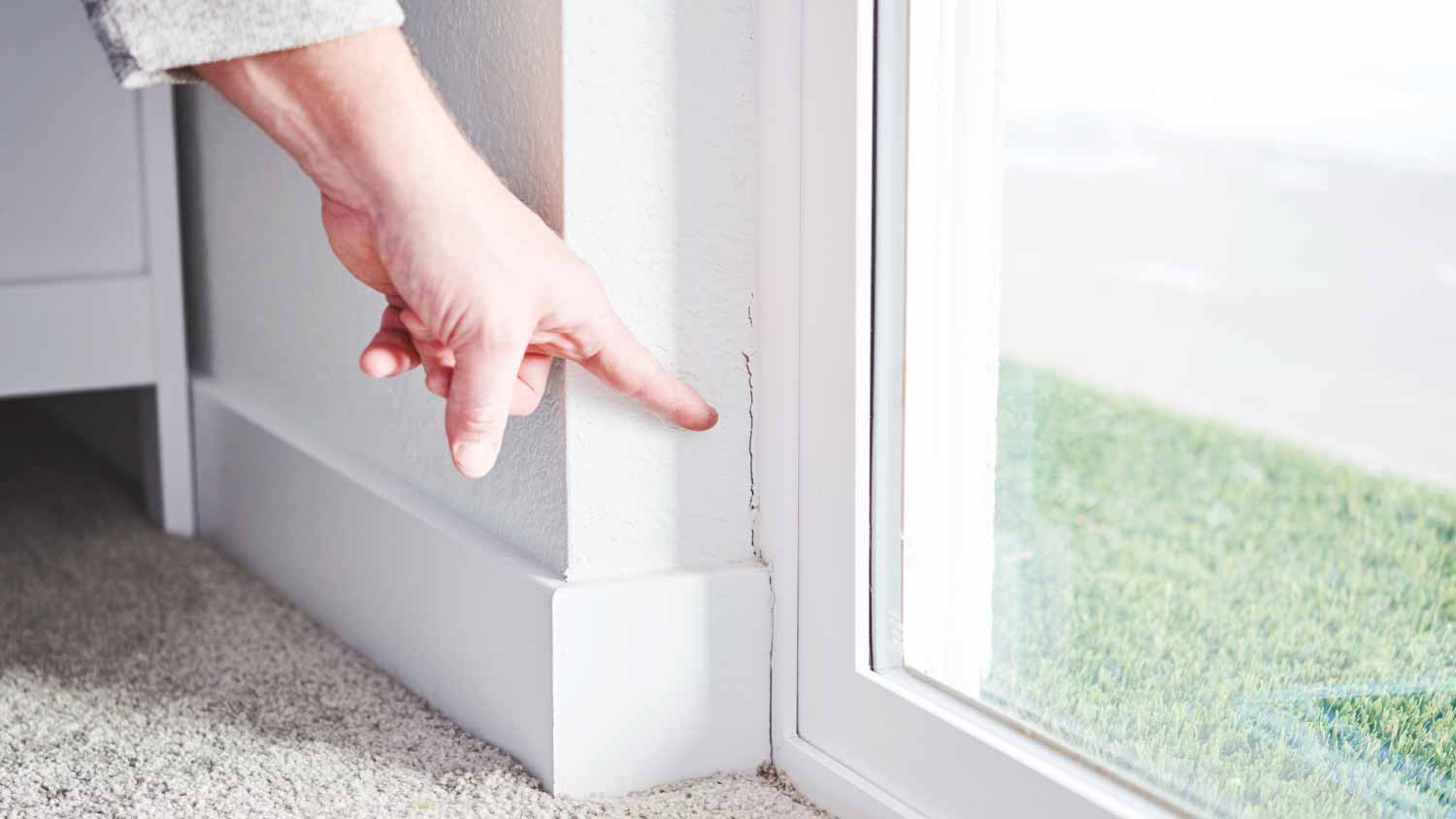
There are steps you can take as a homeowner to remediate radon yourself. While a radon reduction professional can make the biggest impact in your home, you can make efforts to improve radon levels on your own by sealing cracks, increasing ventilation, and testing for radon regularly.

No level of radon is technically safe, but since it is naturally present everywhere, it is impossible to avoid entirely. The average radon level in homes across the United States is 1.3 picocuries per liter (pCi/L). The Environmental Protection Agency (EPA) recommends taking action to reduce radon levels if your home's test results are between 2 and 4 pCi/L or higher.

The natural breakdown of uranium in soil, rock, and water can cause radon to appear in a home. The gas seeps into homes through cracks in foundations, walls, or floors, as well as through gaps around pipes or construction joints. Radon levels are influenced by soil composition, building materials, and ventilation. Poorly sealed or airtight homes can trap radon, allowing it to accumulate.

The Oxford, PA homeowners’ guide to radon detection and reduction services

From average costs to expert advice, get all the answers you need to get your job done.