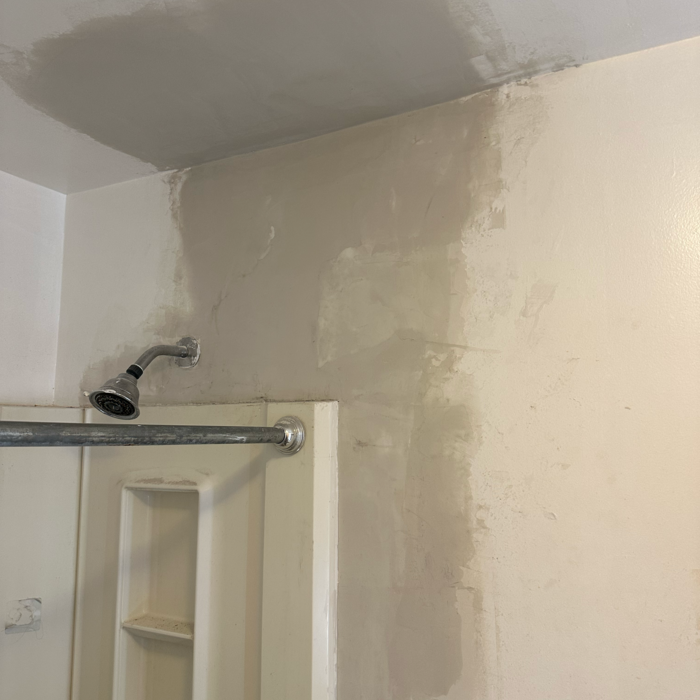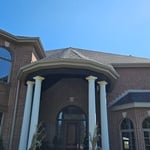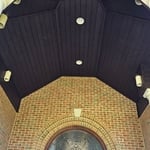
Top-rated drywall pros.

Best drywall pros near Mckees Rocks, PA

Enter your zip and get matched with up to 5 pros

Need a pro for your drywall service project in Mckees Rocks, PA?

Select your specific project to find the pro for you.

TRUSTED BY MCKEES ROCKS, PA HOMEOWNERS

  • Average homeowner rating star icon4.6
    Average homeowner rating
  • Verified reviews icon108
    Verified drywall services reviews

Top-Rated Drywall pros in Mckees Rocks - Updated Nov 2026

Avatar for Unique Contractor LLC
Unique Contractor LLC
5.0(
46
)
Drywall - InstallDrywall - Install - For BusinessDrywall - Repair+1 more

Serving Mckees Rocks, PA and surrounding areas

Approved

Super Service Award Winner

Free estimates

Warranties offered

Small jobs welcome

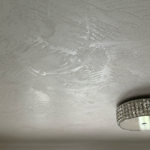
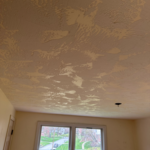
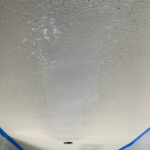
"We recently purchased furniture, and during delivery the delivery team damaged the wall in our entrance. Ofelia quickly responded to our request and provided a quote to fix the problem. Martin came the following week to repair and paint part of the drywall in our entrance hallway. They were prompt, professional, and worked very cleanly. I would recommend them to anyone who needs drywall and painting work."
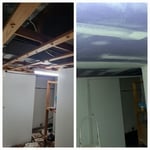
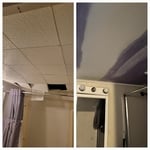
Additional Photos
Additional Photos
Additional Photos
Additional Photos
Additional Photos

+30

Response time3 days
Response rate100%
Recommended by78%of homeowners
Avatar for Rapid Repair Facility Services, LLC
Rapid Repair Facility Services, LLC
5.0(
7
)
Drywall - Repair - For Business

Serving Mckees Rocks, PA and surrounding areas

Approved

In business since 2023

Free estimates

Emergency services offered

"Rapid Repair did a fantastic job on my drywall project. He was efficient, did quality work, and the cost was reasonable. I will definitely be using this company again for my next project!"
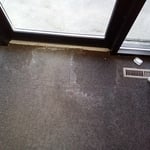
Salt damaged carpet tile
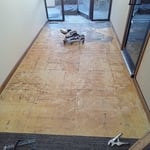
Carpet tile stripped
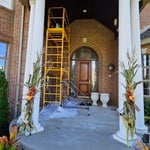
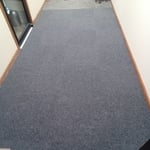
View from the front entrance
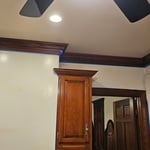
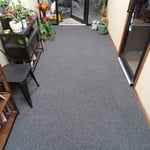
View from the hallway
Door - interior

+28

Response time4 hrs
Response rate97%
1 neighbors recently requested a quote
...
Showing 1-10 of 317
Drywall FAQs, answered by experts

Your walls are likely cracking due to fluctuations in the temperature outside. Drywall tends to expand and contract when temperatures and humidity levels change, and this repeated movement can lead to cracks in your walls, particularly around door frames. If you have multiple diagonal cracks, you may want to have your foundation inspected, as cracks can also be a sign of a bigger issue.

Although they have similar applications, spackle and joint compound are not the same. Their primary differences lie in their composition, consistency, and ideal use cases.

Spackle is composed of gypsum and binding agents, making it thicker than joint compound. It dries quickly and is easy to sand, which makes it ideal for small wall repair projects like filling nail holes or patching minor damage.

Joint compound, also known as drywall mud, consists of limestone and gypsum. It is primarily used for large-scale projects, such as taping and finishing the seams on newly installed drywall. It tends to shrink more than spackle and can be more difficult to spread.

While both products can be used to fill small depressions and cracks, spackle cannot replace joint compound for taping and mudding new drywall. Conversely, you can often use joint compound for small patching jobs typically done with spackle.

How you hang the drywall can affect the finishing process. It's often easier to finish horizontal drywall panels, as the seams run across the wall rather than up and down. Standard drywall panels are 48 inches wide, so the seam is easy to reach without bending down or stretching your arms.

Yes, a fan can help drywall mud dry faster by improving air circulation and reducing humidity in the room. Drywall mud dries through evaporation, so increasing airflow speeds up this process. However, you should position the fan to blow across the room rather than directly on the wet mud. This helps prevent drying too quickly, which can cause cracking. You should also use a dehumidifier if high humidity is an issue.

Whether you can reuse a drywall anchor depends on its type, material, and how it is removed. Plastic anchors, such as expansion or self-drilling types, are generally considered single-use because they are designed to expand and are likely to break or become deformed upon removal. Metal anchors, like toggle bolts, are more durable and can often be reused if they are not damaged during extraction. However, with toggle bolts, the toggle mechanism can fall inside the wall when the bolt is removed, making it difficult to retrieve. If an anchor is damaged or must be cut for removal, it cannot be reused regardless of its material.

The Mckees Rocks, PA homeowners’ guide to drywall services

From average costs to expert advice, get all the answers you need to get your job done.