

Top-rated radon detection and reduction specialists.

Get matched with top radon detection and reduction specialists in Lyndora, PA

Enter your zip and get matched with up to 5 pros

Need a pro for your radon detection and reduction project in Lyndora, PA?

Select your specific project to find the pro for you.

Find Radon detection and reduction specialists in Lyndora

Avatar for Alpha Radon, LLC
Alpha Radon, LLC
4.9(
34
)
Radon Gas - Abatement

Serving Lyndora, PA and surrounding areas

Approved

In business since 2018

Free estimates

Warranties offered

"I WAS VERY SATIFIED WITH THE SERVICE., THE RADON TEST WAS INTIATED BY THOR HOME WHO DOSE PROPERTY TESTING THEY WHERE FAST , AND PLEASANT TO DEAL WITH ESPECIALLY ROSHELLE ROBINSON ONE OF THE EMPLOYEE THERE WHO WAS VERY KNOWLEDGEABLE AND PROFESSIONAL WHO TOLD ME WHAT TO EXPECT AND MOST OF ALL THE PRICE WAS VERY REASONABLE..!!!!!"
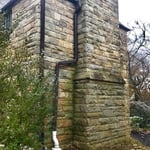
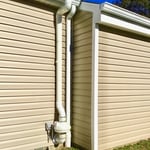
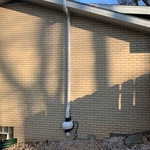
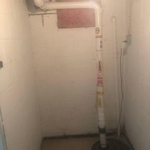
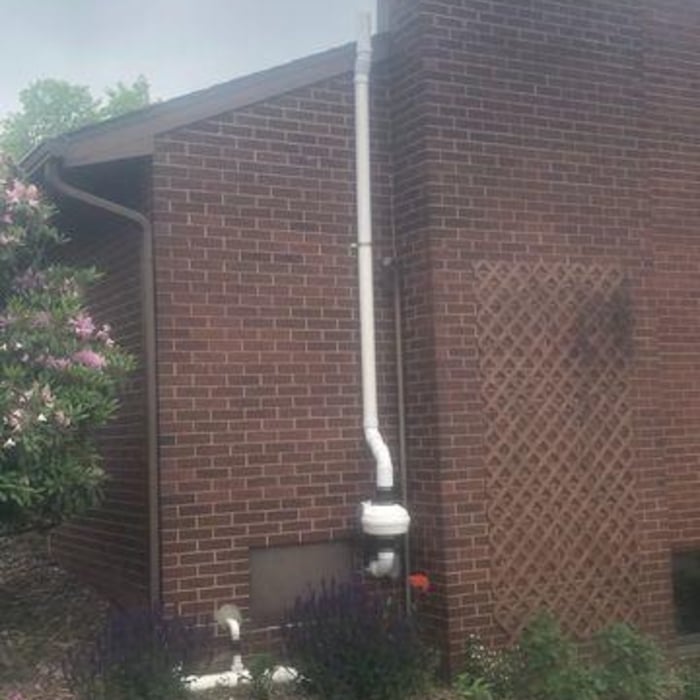
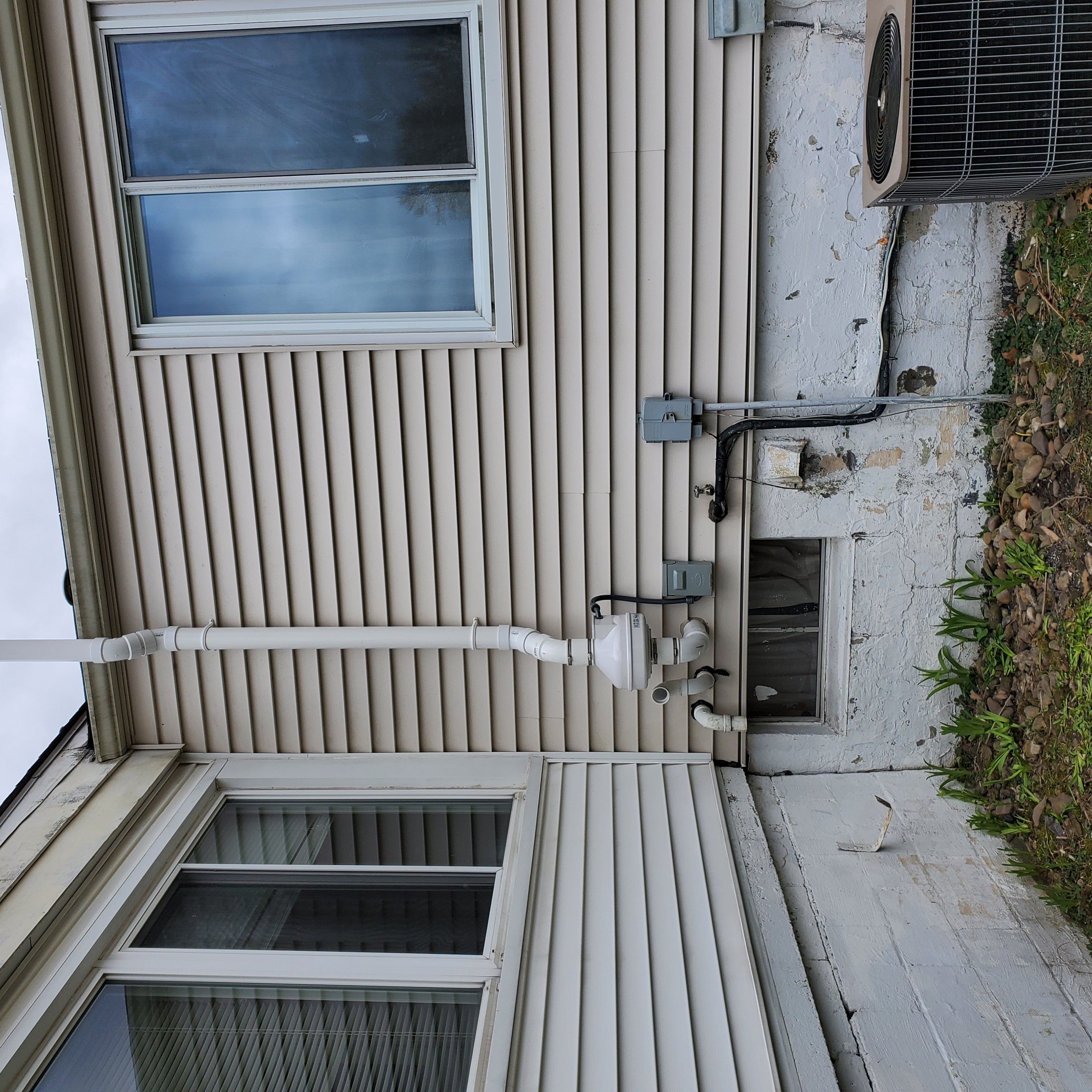
Radon System with Dark Brown Down-Spouting
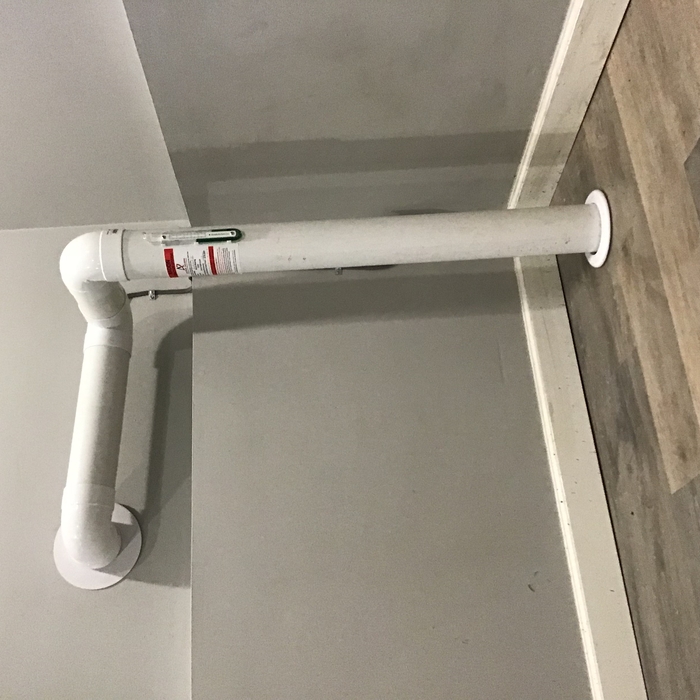
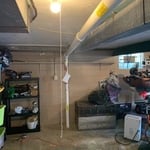
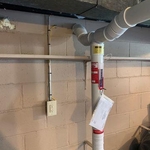
Simple radon system
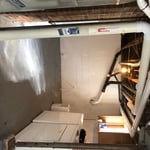
Laundry Room
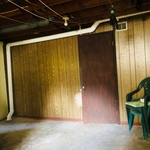
Basement
Inside work

+1

Response time10 hrs
2 neighbors recently requested a quote
Recommended by100%of homeowners
Home Pro
4.7(
14
)
Radon Gas - AbatementRadon Gas - Testing

Serving Lyndora, PA and surrounding areas

In business since 1986

Free estimates

Credit card accepted

"Inspector was on time and explained everything to me. The report was returned a few days later and contained the current condition of the house I was buying, as well as preventive maintenance tips I should know. Coming from someone who doesn't know too much about home repair, I was thankful for the inspector's patience and willingness to explain all the details."
Recommended by100%of homeowners
Radon Detection and Reduction questions, answered by experts

The soil beneath your house is most likely what’s causing an increased level of radon. This is because soil holds radioactivity for a long time and it’s also what most buildings are built on. Another common source of radon is water from a source that hasn’t been through periodic radon tests, such as well water. Over time, the radon from the soil can inhabit other parts of your house like the foundation or plumbing.

Mitigation reduces radon levels, protecting your health and complying with safety standards.

You'll need to test your home for radon after installing the mitigation system, then again every two years. If radon remains elevated, contact a licensed radon professional, either the contractor who installed the system or a different one, and have them evaluate the system. They may need to make some changes to improve its effectiveness and performance.

If your home has a sump pit, you can integrate it with a radon mitigation system. You can accomplish this by sealing the pump cover with an airtight lid that accommodates radon vent pipes and sump pump hoses. This allows the vent pipe to redirect the radon gas outside of your home.

Radon enters your home when warm air begins to rise and exits through the roof, creating a vacuum that pulls cooler air from under the foundation. Part of that air is radon, which is an invisible, odorless gas that develops naturally when radioactive particles are deep within the ground. Those particles usually come from decaying matter in soil and rocks.

The Lyndora, PA homeowners’ guide to radon detection and reduction services

From average costs to expert advice, get all the answers you need to get your job done.