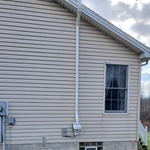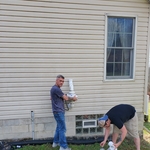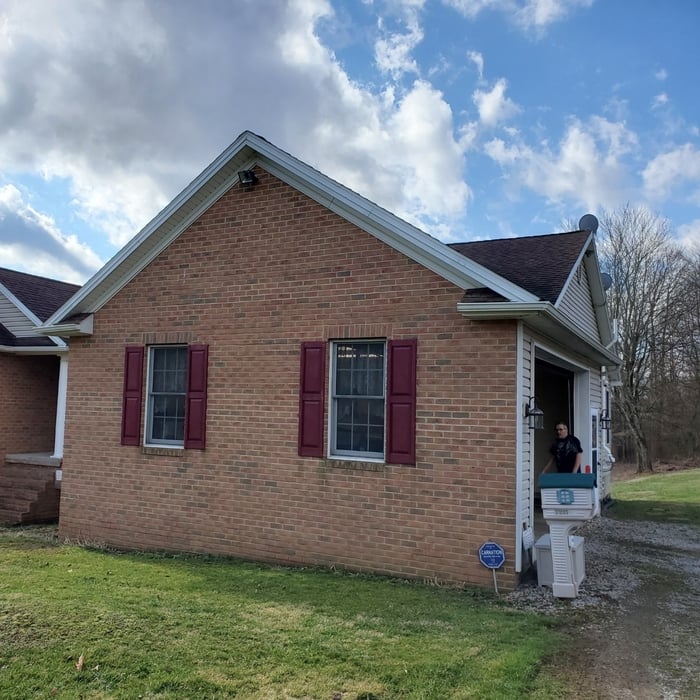




Top-rated radon detection and reduction specialists.

Best radon detection and reduction specialists near Fenelton, PA

Enter your zip and get matched with up to 5 pros

Need a pro for your radon detection and reduction project in Fenelton, PA?

Select your specific project to find the pro for you.

Top-Rated Radon detection and reduction specialists in Fenelton - Updated Nov 2026

Home Pro
4.7(
14
)
Radon Gas - AbatementRadon Gas - Testing

Serving Fenelton, PA and surrounding areas

In business since 1986

Free estimates

Credit card accepted

"In Conclusion,
   the service was on time, professional, complete, and well done. Tom was on time within 15 minutes (which is acceptable to me). He began work without wasting time, while explaining what he was doing at every step. He gave tips when appropriate. He was professional and had all necessary equipement on his person.
I would recommend this service. 
In addition, for an additional $100.00, Homepro will return to make sure that the seller has completed the necessary repairs prior to closing. This feature is useful if you do not trust the seller or selling agent. We did not elect this service, but, it was nice to know that it was available.
"
Recommended by100%of homeowners
Radon Detection and Reduction FAQs, answered by experts

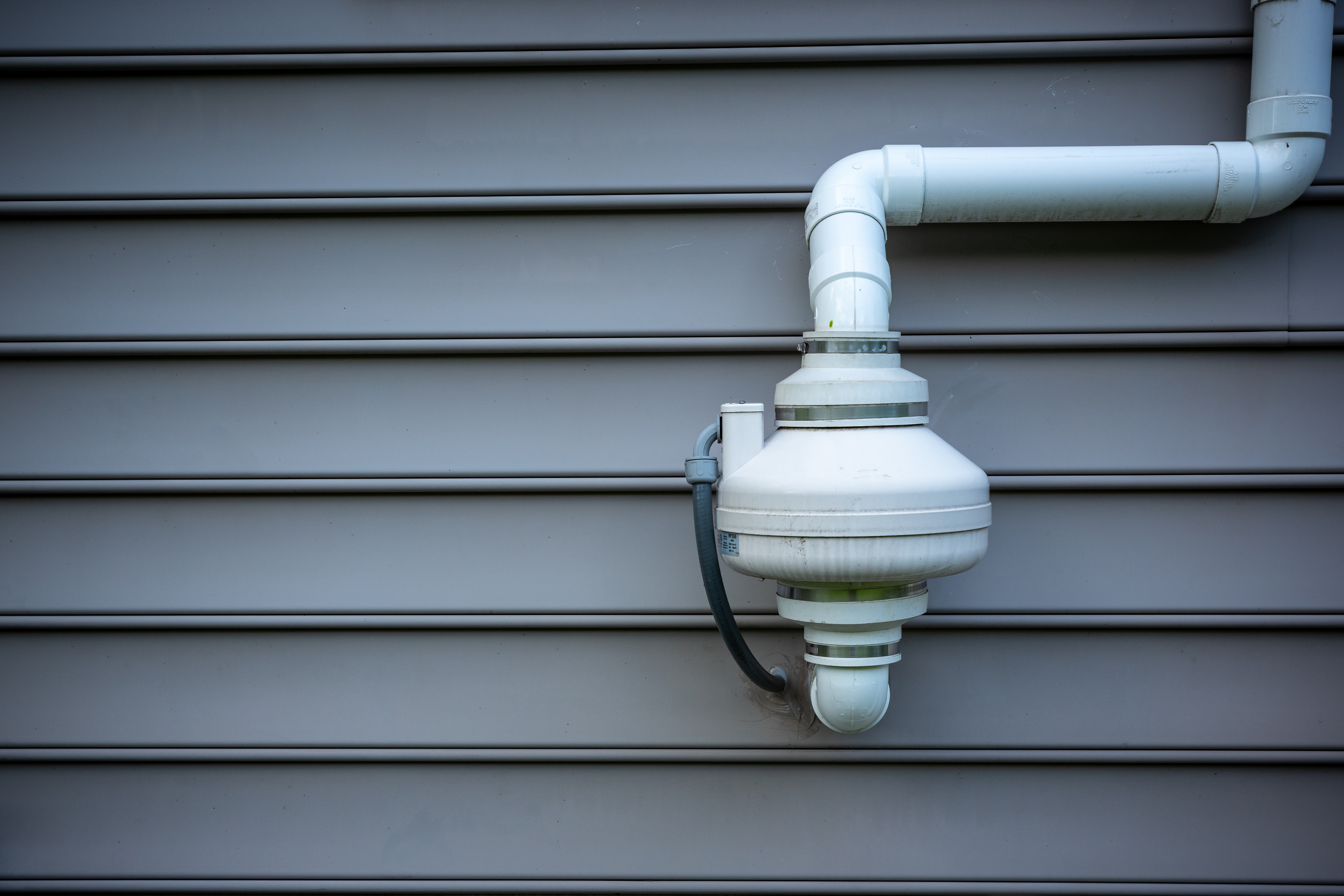
A homeowner can install a radon mitigation system on their own. But it’s a challenging DIY that requires a lot of knowledge about radon mitigation as well as familiarity with local regulations. You do not want to risk an improper installation that leaves the system unable to detect radon or gives it a shortened life span. Relying on a professional is the surest way to guarantee a successful installation.

The average radon mitigation system uses about 876 kWh of electricity per year, although the exact amount of electricity used will vary depending on the size of the radon fan. Once the system is installed, the annual increase to your energy bill could range from $30 to $300 per year, again depending on the size of the fan.

The lifespan of a radon mitigation system depends on the type of system and its maintenance. With proper care, a system can last for many decades. Passive systems tend to last longer as they have fewer components that require replacement. Active systems, which have more moving parts like fans, generally have a shorter lifespan. For instance, water filtration devices and active pressurization systems require more frequent maintenance. While the system as a whole is durable, the radon fan in an active system typically has a lifespan of 5 to 10 years and will need to be replaced. As long as the fan is working, the mitigation system should function correctly.

Keeping radon from getting into your home is much better than having to get rid of it once it's already indoors. While there may not be a way to fully prevent radon from getting into your home, there are things you can do to reduce the gas's ability to enter. 

Sealing foundation cracks and openings can help keep the gas from seeping inside. Improving air flow, such as by opening windows, can also be helpful. If you're building your home from scratch, talk to your contractor about using radon-resistant construction to keep the gas out.

The soil beneath your house is most likely what’s causing an increased level of radon. This is because soil holds radioactivity for a long time and it’s also what most buildings are built on. Another common source of radon is water from a source that hasn’t been through periodic radon tests, such as well water. Over time, the radon from the soil can inhabit other parts of your house like the foundation or plumbing.

The Fenelton, PA homeowners’ guide to radon detection and reduction services

From average costs to expert advice, get all the answers you need to get your job done.