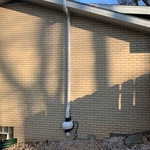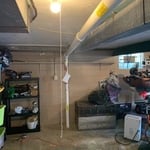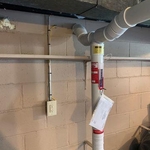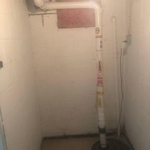




Top-rated radon detection and reduction specialists.

Get matched with top radon detection and reduction specialists in Indiana, PA

Enter your zip and get matched with up to 5 pros

Need a pro for your radon detection and reduction project in Indiana, PA?

Select your specific project to find the pro for you.

Find Radon detection and reduction specialists in Indiana

Helping Solutions, LLC
4.8(
5
)
Radon Gas - AbatementRadon Gas - Testing

Serving Indiana, PA and surrounding areas

In business since 2009

Free estimates

Credit card accepted

"If you’re looking to get any type of inspection or home services then look no further. I recently became a customer of Justin Ake after trying to get my soon to be home inspected. Rick was dispatched to the property and went above and beyond, both explaining the inspection process and showing me key points in the houses plumping and drainage systems. As well as providing information on other tests and services the company performs. I don’t normally write reviews, but I have to say this is one business that takes pride in their trade."
Recommended by100%of homeowners
Radon Detection and Reduction questions, answered by experts

Long-term exposure increases lung cancer risks. Prolonged homestay individuals and smokers encounter heightened vulnerability and exposure concerns.

The lifespan of a radon mitigation system depends on the type of system and its maintenance. With proper care, a system can last for many decades. Passive systems tend to last longer as they have fewer components that require replacement. Active systems, which have more moving parts like fans, generally have a shorter lifespan. For instance, water filtration devices and active pressurization systems require more frequent maintenance. While the system as a whole is durable, the radon fan in an active system typically has a lifespan of 5 to 10 years and will need to be replaced. As long as the fan is working, the mitigation system should function correctly.

No level of radon is technically safe, but since it is naturally present everywhere, it is impossible to avoid entirely. The average radon level in homes across the United States is 1.3 picocuries per liter (pCi/L). The Environmental Protection Agency (EPA) recommends taking action to reduce radon levels if your home's test results are between 2 and 4 pCi/L or higher.

Radon is present almost everywhere but, like sunlight, the concentration levels and how often you are exposed to it have a large part to play in just how dangerous it is. There are levels of radon that are acceptable inside a house, but above a certain limit, radon becomes a serious radioactive hazard that is a known cause of lung cancer. In fact, radon exposure is the number two leading cause of lung cancer (after smoking).

There are steps you can take as a homeowner to remediate radon yourself. While a radon reduction professional can make the biggest impact in your home, you can make efforts to improve radon levels on your own by sealing cracks, increasing ventilation, and testing for radon regularly.

The Indiana, PA homeowners’ guide to radon detection and reduction services

From average costs to expert advice, get all the answers you need to get your job done.