




Top-rated radon detection and reduction specialists.

Best radon detection and reduction specialists near Ebensburg, PA

Enter your zip and get matched with up to 5 pros

Need a pro for your radon detection and reduction project in Ebensburg, PA?

Select your specific project to find the pro for you.

Top-Rated Radon detection and reduction specialists in Ebensburg - Updated Nov 2026

Radon Detection and Reduction FAQs, answered by experts

Testing every 2-5 years or upon adjusting occupancy or structural changes maintains safe environments.

The natural breakdown of uranium in soil, rock, and water can cause radon to appear in a home. The gas seeps into homes through cracks in foundations, walls, or floors, as well as through gaps around pipes or construction joints. Radon levels are influenced by soil composition, building materials, and ventilation. Poorly sealed or airtight homes can trap radon, allowing it to accumulate.

Ideally, no one will live in a house with elevated radon levels, as prolonged exposure increases the risk of serious health issues like lung cancer. However, homes with radon can be made safe through mitigation systems, such as active soil depressurization. Testing for radon regularly and addressing high levels helps ensure a safe living environment.

Mitigation can take several days depending on home setup, equipment accessibility, and achieving effective diffusion system sealed efficiency.

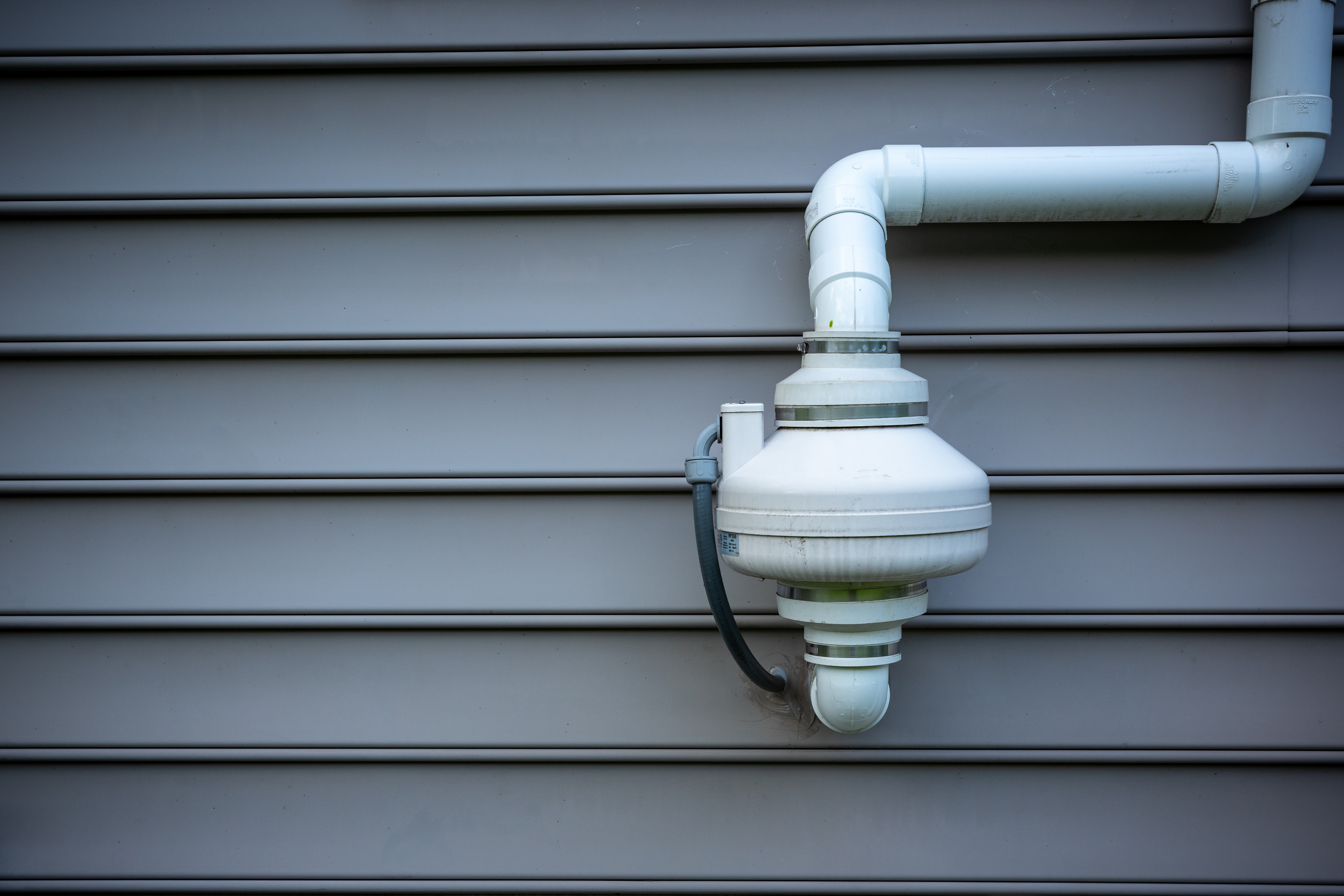
Your radon mitigation system may be loud because it’s time to replace it. Any sounds are usually from the inline fan that helps create the vacuum and resulting airflow. If you hear a new, loud mechanical or humming noise from your radon fan, it might be time to replace it. Most fans used in radon mitigation systems last up to 10 years, but may need to be replaced sooner.

The Ebensburg, PA homeowners’ guide to radon detection and reduction services

From average costs to expert advice, get all the answers you need to get your job done.




