

Top-rated radon detection and reduction specialists.

Get matched with top radon detection and reduction specialists in Dayton, PA

Enter your zip and get matched with up to 5 pros

Need a pro for your radon detection and reduction project in Dayton, PA?

Select your specific project to find the pro for you.

Find Radon detection and reduction specialists in Dayton

Avatar for Restoration Contracting Services, Inc.
Restoration Contracting Services, Inc.
4.9(
12
)

Serving Dayton, PA and surrounding areas

Approved

In business since 1999

Free estimates

Credit card accepted

"Excellent customer service. Have not submitted final radon test to verify system performance. Test running now. Should be mailing it tomorrow for results."
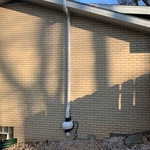
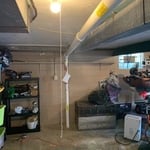
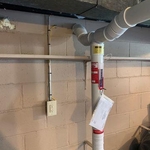
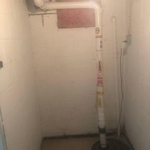
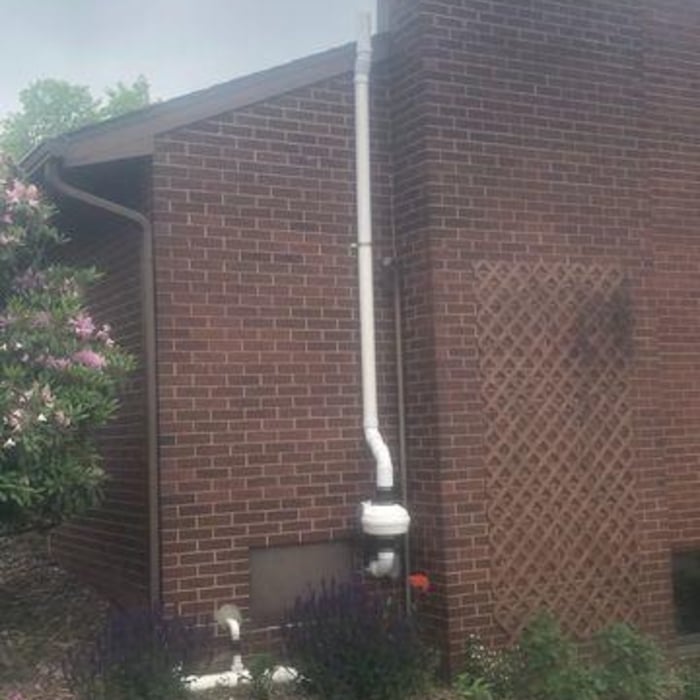
Exterior System
Interior System
Interior System
Interior
Exterior of System

+9

Response time7 hrs
Response rate93%
18 neighbors recently requested a quote

Radon Detection and Reduction questions, answered by experts

While DIY testing is possible, abatement generally requires professional installation to ensure efficacy and meet safety standards.

No level of radon is technically safe, but since it is present everywhere, complete avoidance is impossible. The average radon level in homes across the United States is 1.3 picocuries per liter (pCi/L). The Environmental Protection Agency (EPA) recommends taking preventative measures if your home's radon levels are between 2 and 4 pCi/L or higher.

Radon is the number one non-smoking cause of lung cancer in the United States, but it can cause some other concerning side effects in the meantime. If you have a raspy voice, chest pains, trouble breathing, difficulty swallowing, or any of the above, don’t hesitate to perform radon testing and install a mitigation system as soon as possible.

If high radon levels are detected, steps include sealing entry points, installing a mitigation system, and retesting the air regularly to ensure reduced levels.

Radon enters your home when warm air begins to rise and exits through the roof, creating a vacuum that pulls cooler air from under the foundation. Part of that air is radon, which is an invisible, odorless gas that develops naturally when radioactive particles are deep within the ground. Those particles usually come from decaying matter in soil and rocks.

The Dayton, PA homeowners’ guide to radon detection and reduction services

From average costs to expert advice, get all the answers you need to get your job done.