




Top-rated animal removal specialists.

Best animal removal specialists near Export, PA

Enter your zip and get matched with up to 5 pros

Need a pro for your animal removal project in Export, PA?

Select your specific project to find the pro for you.

TRUSTED BY EXPORT, PA HOMEOWNERS

  • Average homeowner rating star icon4.7
    Average homeowner rating
  • Verified reviews icon12
    Verified animal removal services reviews

Top-Rated Animal removal specialists in Export - Updated Nov 2026

Avatar for Leems Pest and Wildlife Solutions LLC
Leems Pest and Wildlife Solutions LLC
4.8(
51
)
Pest Control - RodentsPest Control - Small AnimalsPest Control - Small Animals - For Business

Serving Export, PA and surrounding areas

Approved

Super Service Award Winner

In business since 2021

Free estimates

Emergency services offered

"Jeff was very knowledgeable and reasonably priced. He explained to me what he was going to do and reassured me that if something is not to my liking after spraying he would come back at no charge. He was confident and knew he could help"
Response time5 hrs
Response rate98%
5 neighbors recently requested a quote
Avatar for Ehrlich Pest Control
Ehrlich Pest Control
4.3(
11
)
Pest Control - Rodents

Serving Export, PA and surrounding areas

Approved

In business since 1921

Free estimates

Credit card accepted

"I had a fantastic experience with Ehrlich Southeast. Their customer service was excellent, from scheduling the appointment to the completion of the service. Their technicians were friendly, knowledgeable, and efficient, and they ensured my property was pest-free. I highly recommend them to anyone in need of pest control services."
Recommended by100%of homeowners
Dan Weiss Landscaping
4.7(
24
)
Pest Control - Birds and BatsPest Control - RodentsPest Control - Small Animals+1 more

Serving Export, PA and surrounding areas

In business since 1987

Free estimates

"Can't give enough praise for Dan and his crew.  Highly recommend due to quality of work and care about how things are done. Attention to detail.  Punctual and dependable.  Trustworthy man with high standards.  Goes the extra mile to complete work as desired by landowner.  

"
Recommended by95%of homeowners
Animal Removal FAQs, answered by experts

You should never use toxic baits or poisons, such as rodenticides designed for mice and rats, to kill or trap possums. Using these toxicants is illegal in many areas and can lead to fines or other penalties. Furthermore, these poisons can cause unnecessary suffering for the animal and pose a significant risk of accidental poisoning to pets or other neighborhood wildlife. Instead of using poisons, it is best to stick with humane methods like live trapping.

No, according to the CDC, animals do not usually pose health risks to swimmers, even if one dies. If a pool is maintained well, chlorine should kill any germs left by an animal within minutes. That said, homeowners should remove the animal as soon as possible and clean and disinfect the pool afterward.

Moles live underground and feed on insects. They dig and move through tunnels, usually in meadows or forests but sometimes in lawns and gardens. They are about 6 inches long with large claws, tiny eyes, and hidden ears. 

Shrews do not dig their own tunnels but will use other animals’ tunnels, and are about 3 to 4 inches long. They look similar to mice and feed on insects.

Voles are similar in size to moles but have large eyes and small but visible ears. Rather than eating insects, voles are herbivores that prefer seeds, grasses, and plant roots.

To make sure the removal process goes smoothly, try asking your pro the following questions: 

  • Are you licensed and insured? 

  • How much experience do you have with relocating beehives? 

  • Do you remove the honey and honeycomb? 

  • Do you relocate the bees alive? 

  • Do you have any references from previous clients?

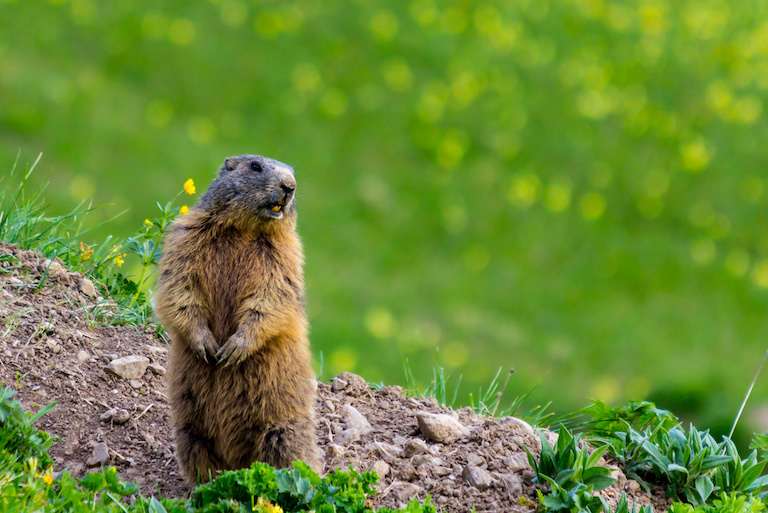
Groundhogs are most active during the warmer months, from spring through fall. On a daily basis, they exhibit peak activity in the early morning (dawn) and late afternoon (dusk), which are their primary feeding times. They tend to stay in their cool burrows during the hottest, sunniest parts of the day. Groundhogs hibernate during the winter, typically retreating to their dens from October or November until mid to late February.

The Export, PA homeowners’ guide to animal removal services

From average costs to expert advice, get all the answers you need to get your job done.