

Top-rated excavation pros.

Get matched with top excavation pros in Dilliner, PA

Enter your zip and get matched with up to 5 pros

Need a pro for your excavation project in Dilliner, PA?

Select your specific project to find the pro for you.

Find Excavation pros in Dilliner

Avatar for KR Excavation
KR Excavation
5.0(
2
)
Building Site - Preparation and ClearingExcavation - Major Grading or Resloping

Serving Dilliner, PA and surrounding areas

Approved

In business since 2023

Free estimates

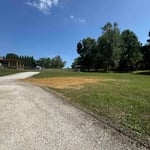
"Our driveway was re-graveled perfectly! His communication before, during, and after the job was efficient and graceful, discussing what needed to be done and the pricing. The outcome of our driveway was incredible. He tore out old plants and made the surrounding area very neat. He used high quality gravel while still being affordable. Would recommend KR Excavation to anyone!"
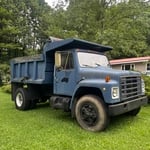
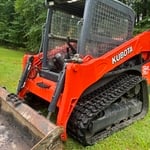
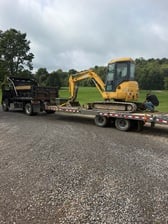
Equipment
Equipment
13 neighbors recently requested a quote
Avatar for Trench Pros Inc
Trench Pros Inc
5.0(
2
)
Building Site - Preparation and Clearing

Serving Dilliner, PA and surrounding areas

Approved

In business since 2025

Free estimates

Emergency services offered

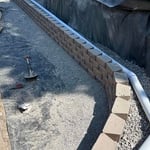
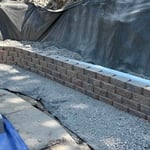
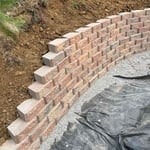
"The owner and his team were amazing. They transformed my landscape following my budget and gave me the highest quality you can get. They were super communicative and explained everything in detail. I would highly recommend them to anyone."
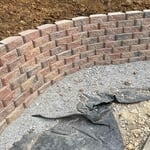
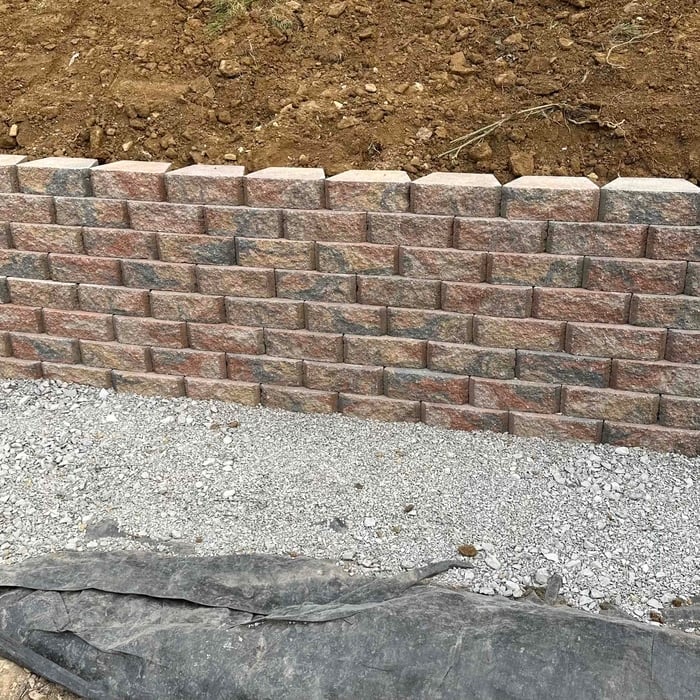
Retaining Wall
Retaining Wall
Retaining Wall
Retaining Wall
Retaining Wall

+3

9 neighbors recently requested a quote
Avatar for Sloan Construction Company
Sloan Construction Company
New to Angi
Building Site - Preparation and Clearing - For Business

Serving Dilliner, PA and surrounding areas

Approved

In business since 1988

Free estimates

Offers commercial services

We're a locally owned and operated company with over 22 years of industry experience. We value honesty and integrity in all aspects of our business. We offer a variety of Home Improvement services that are customizable to each individual project. Thank you for choosing Sloan Construction Inc

Response time10 mins
Showing 1-10 of 48
Excavating questions, answered by experts

There is no standard depth for burying a septic tank; they are typically buried anywhere from 4 inches to 4 feet underground. The final depth depends on several factors, including the depth of your main sewer line, the height of the bedrock, soil type, local regulations, and the property's landscape. If you plan to grow grass or plants over the tank, a depth of at least 4 to 6 inches is recommended. Deeper tanks can be more difficult to locate, but a septic professional can help find it for you.

The best method for digging a trench depends on the scope of the project. For a short, shallow trench (less than 2 feet deep) in light, soft soil, digging by hand may be sufficient. However, digging by hand is labor-intensive, so consider the effort required. A machine trencher is the better option for longer trenches (over 100 feet), deeper ones, or when dealing with difficult soil conditions, such as rocky or hard ground, or obstructions like tree roots. A machine can save significant time and energy in these situations.

Trenches are typically 12 to 24 inches deep and 8 inches wide. However, the required depth depends on the specific project and local ordinances. For example, a French drain may need to be 18 inches deep, while a water pipe might require a depth of 24 inches and a drainage pipe 36 inches. Your city or county may have specific regulations, so it's wise to consult with an excavation professional to determine the correct depth for your project.

Trenching and boring are two distinct methods for installing underground utilities. Trenching involves digging a channel using equipment like an excavator, trencher, backhoe, or shovel. While it is a simpler process, it causes significant disruption to the surface, landscaping, and surrounding ecosystems.

Boring, also known as directional boring, is a less invasive alternative that uses a drill to create a tunnel for utility lines without disturbing the surface. This method is more precise and is ideal for installations that need to go underneath buildings, roads, or bodies of water. Although boring is less disruptive, it is generally more expensive than trenching.

Hard soil could be a sign of overly dry dirt, either from poor drainage or drought. It's important to test the nutrient levels, density, and drainage capacity of your soil to see if it's absorbing water properly. Begin by adding a light layer of water and observing how long the soil retains moisture. If you experience a good deal of runoff, you may need to aerate your lawn, apply a wetting agent, or hire a professional for a closer look.

The Dilliner, PA homeowners’ guide to excavation services

From average costs to expert advice, get all the answers you need to get your job done.