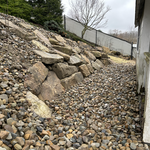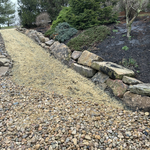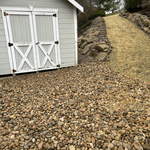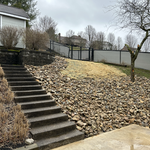



Top-rated excavation pros.

Get matched with top excavation pros in Smock, PA

Enter your zip and get matched with up to 5 pros

Need a pro for your excavation project in Smock, PA?

Select your specific project to find the pro for you.

Find Excavation pros in Smock

Avatar for Sloan Construction Company
Sloan Construction Company
New to Angi
Building Site - Preparation and Clearing - For Business

Serving Smock, PA and surrounding areas

Approved

In business since 1988

Free estimates

Offers commercial services

We're a locally owned and operated company with over 22 years of industry experience. We value honesty and integrity in all aspects of our business. We offer a variety of Home Improvement services that are customizable to each individual project. Thank you for choosing Sloan Construction Inc

Response time10 mins
Pro Excavating and Utilities LLC
5.0(
6
)
Excavation - Major Grading or Resloping - For Business

Serving Smock, PA and surrounding areas

In business since 1994

Free estimates

Credit card accepted

"These guys were prompt, courteous, knowledgeable and skilled. â True professionalsâ showed up when they said they would for an emergency gas line repair excavation. They did not cause any unnecessary yard damage and even seamlessly replaced the grass where they dug. Top notch service and I would highly recommend!!!"
Response time4 hrs
Response rate97%
Recommended by100%of homeowners
...
Showing 1-10 of 82
Excavating questions, answered by experts

The cost to repair a crawl space runs between $1,500 and $15,000, depending on the extent of the damage. Major flooding or water repairs can cost up to $10,000 for removal and repairs. If you simply need to clean your crawl space, expect to pay between $2,000 and $6,000 for a major cleanout. Replacing a crawl space beam due to rot or damage can cost between $1,500 and $5,000, while removing and replacing damaged insulation costs between $1,000 and $4,000.

Septic drain lines (or leach lines) are typically buried between 18 and 36 inches underground, and should be at least 6 inches below the surface. These pipes are perforated and surrounded by filtering materials like sand or gravel. Burying the lines at this depth helps minimize odors and allows bacteria and other biological processes in the soil to effectively treat the wastewater. Burying lines too close to the surface can cause issues unless the soil is very compact and stable.

The best way to protect tree roots is to avoid the roots entirely by excavating outside the root radius of the tree. For nearby projects, it’s a good idea to construct a temporary retaining wall. But that’s not always possible, depending on the project and the root system. In these cases, consider using alternative equipment like an auger to tunnel under the ground.

Remember, tree roots can damage nearby cement foundations as they grow. If a tree is close enough to interfere with large excavations, it may be better to remove the tree than risk future problems.

Drilled wells have a pipe sticking up that’s covered in a plastic or metal casing. On the other hand, a dug well will look like a big hole in the ground and is more similar to what you’d see in a fantasy or Western movie. If you want to be sure, contact the city for documentation on your property’s construction and excavation history. 

A trench that is less than 5 feet deep often doesn't require a protective system. Most residential trenches will not go this deep (the typical residential drainage trench is just 18 inches deep). In the event that an excavator needs to dig more than 5 feet beneath the surface, a protective system is required unless the excavation is in entirely stable rock.

The Smock, PA homeowners’ guide to excavation services

From average costs to expert advice, get all the answers you need to get your job done.