




Top-rated radon detection and reduction specialists.

Get matched with top radon detection and reduction specialists in Kittanning, PA

Enter your zip and get matched with up to 5 pros

Need a pro for your radon detection and reduction project in Kittanning, PA?

Select your specific project to find the pro for you.

Find Radon detection and reduction specialists in Kittanning

Avatar for Restoration Contracting Services, Inc.
Restoration Contracting Services, Inc.
4.9(
12
)
Radon Gas - Abatement

Serving Kittanning, PA and surrounding areas

Approved

In business since 1999

Free estimates

Credit card accepted

"Dani was great in customer service, and Jr. was great in coming, designing, explaining, and executing the plan to address the problem (radon level). All of this took one week start to finish. Couldn't more highly recommend them."
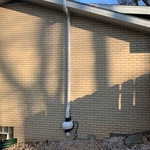
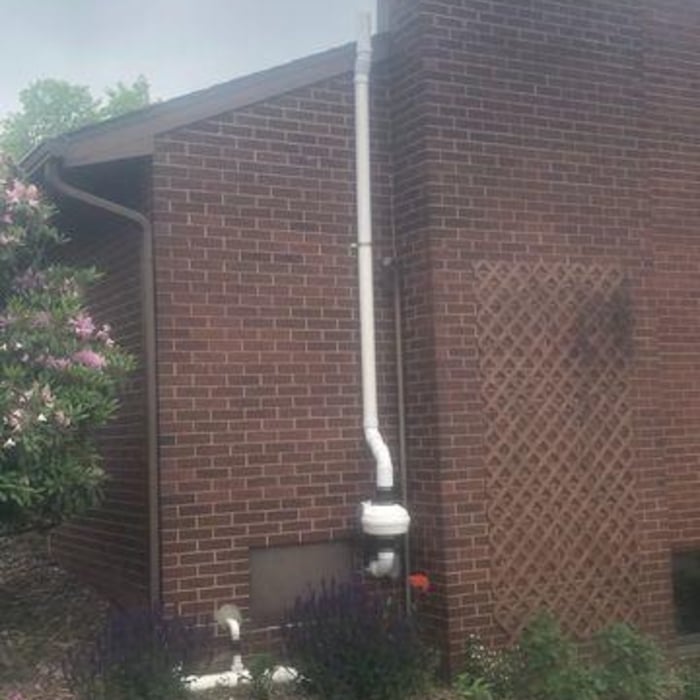
Exterior System
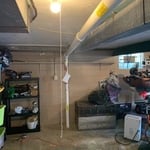
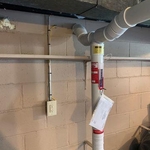
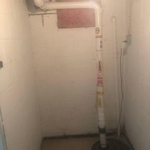
Interior System
Interior System
Interior
Exterior of System

+9

Response time7 hrs
Response rate98%
15 neighbors recently requested a quote

Radon Detection and Reduction questions, answered by experts

Long-term exposure increases lung cancer risks. Prolonged homestay individuals and smokers encounter heightened vulnerability and exposure concerns.

The lifespan of a radon mitigation system depends on the type of system and its maintenance. With proper care, a system can last for many decades. Passive systems tend to last longer as they have fewer components that require replacement. Active systems, which have more moving parts like fans, generally have a shorter lifespan. For instance, water filtration devices and active pressurization systems require more frequent maintenance. While the system as a whole is durable, the radon fan in an active system typically has a lifespan of 5 to 10 years and will need to be replaced. As long as the fan is working, the mitigation system should function correctly.

Options include sub-slab depressurization, crawlspace ventilation, and sealing cracks. Choose based on home construction and radon levels.

No level of radon is technically safe, but since it is present everywhere, complete avoidance is impossible. The average radon level in homes across the United States is 1.3 picocuries per liter (pCi/L). The Environmental Protection Agency (EPA) recommends taking preventative measures if your home's radon levels are between 2 and 4 pCi/L or higher.

You'll need to test your home for radon after installing the mitigation system, then again every two years. If radon remains elevated, contact a licensed radon professional, either the contractor who installed the system or a different one, and have them evaluate the system. They may need to make some changes to improve its effectiveness and performance.

The Kittanning, PA homeowners’ guide to radon detection and reduction services

From average costs to expert advice, get all the answers you need to get your job done.