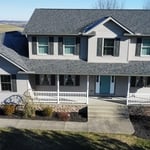
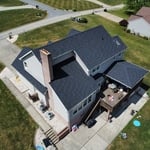
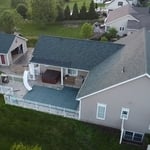
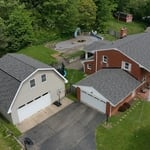
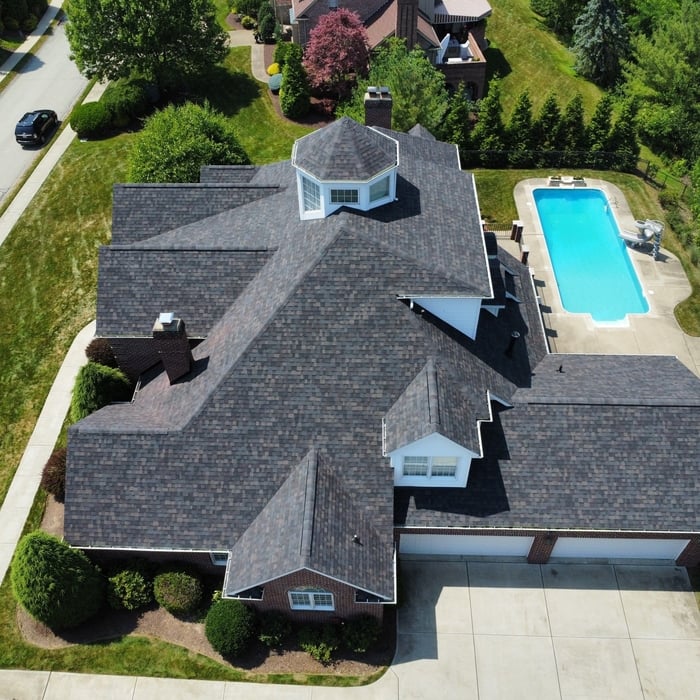
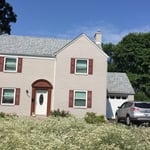
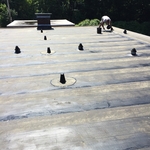
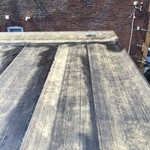
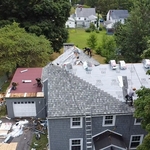
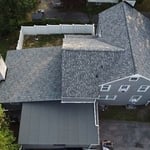
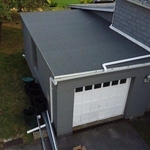
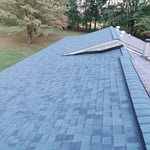
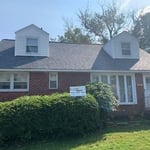
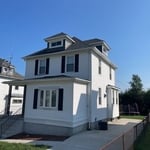
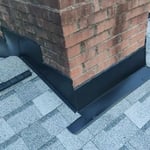
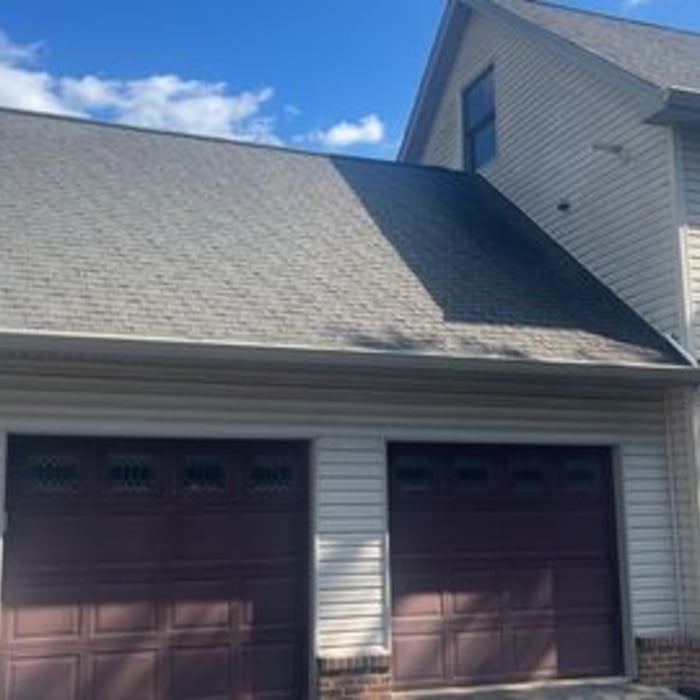
"PA western slateâ â there is no one better out there!!!!! I was in the service for almost 30 years and these guys are top-notch customer service representatives and some of the best in the field out there doing roofs!!!!! They also do windows and replaced 39 windows at my homeâ ¦. They go above and beyond and they are an amazing team!!!!!"
"I had a complete new roof installed by Planet Roof. This company was outstanding in every way. After they removed the existing shingles, they found more damage than expected, but Planet Roof took this in stride and picked up the additional materials needed to make the repairs. The end result was a beautiful new roof installed, same day. The roofers were skilled and their workmanship shows. The crew was very friendly. My metal shed had its roof ripped off by high winds and this crew saw that and put that roof back on for me as well. After they were all done, they cleaned up everything and after they left, there was no trace of them even being here at my home. If you need a new roof or repair, I would heartily recommend obtaining a quote from Planet Roof. I am very pleased with the work they did on my home."
"I am happy with the service provided by MHI Roofing. Very professional team did the roof and gutters replaced in 2 days. Thanks Cam, Caleb and the Team! Highly recommend!"
"Everything went well, very impressed by how effective and professional the crew was . They were on our roof by 8am and pulling out our driveway at 2:30 . Couldn’t even tell they were here except that we had a brand new roof. Definitely would recommend them"
"R&B Roofing and Remodeling did an amazing job on our roof and gutters! The staff are great and I would recommend to anyone needing roofing or remodeling !! 5 â â â â â A++++++"
"A professional job was done. The whole process went as agreed in the contract. The whole roof was done in one day. The crew was diligent in there work. I would recommend them to others thinking about a roof replacement. I didn't have a metal roof installed and opted for conventional shingles."
"Owner kept us informed as to status of the project. Owner and crew are very pleasant and friendly to deal with. We always knew what was going on with the project. Prompt, reliable, Highly recommended. Roof looks great!!"
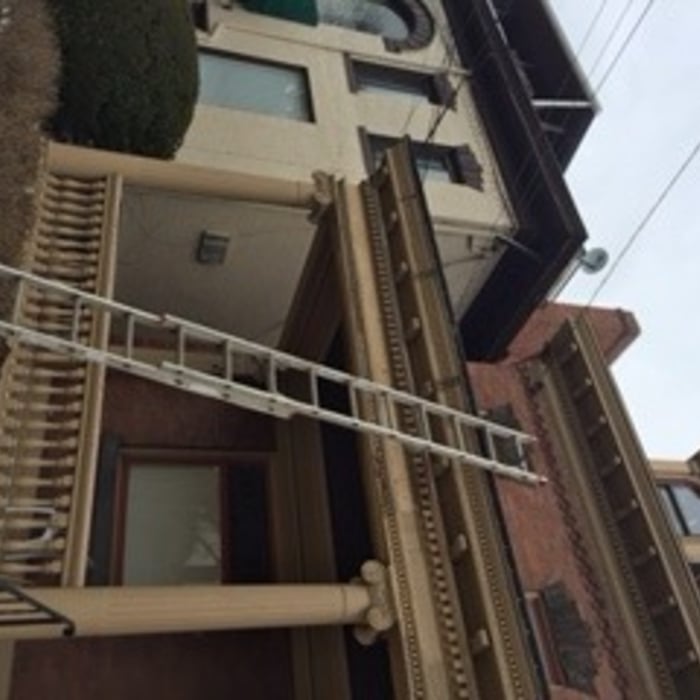
"PPromptly offered a thorough, accurate and reasonable estimate for the roof. Despite weather fluctuations and the holidays, they were out almost every day, going through the long process of stripping off the old slate on a 3 story house. Kept me informed of their progress, took care of tenants' concerns and did a fantastic job on the roof. Hope to use them for the next job. "
Depending on the type of damage your roof shingles have, you may be able to simply repair them without having to replace them. However, if there are more than a few to repair, replacement is likely the easier option. You may only need to replace a few of them. Repair shingles by applying roofing sealant directly under the shingle's damage and then directly over it.
Yes, capped chimneys should still be vented. Failing to vent a chimney will result in condensation buildup inside the chimney, which commonly results in mold growth. If mold begins to grow in a chimney, it frequently goes undetected and spreads quickly through the home. Mold and moisture can damage the structural integrity of your home, and exposure to mold can cause discomfort and illness in residents.
Homeowners insurance does not usually cover roof soft spot repair. Since this damage is usually caused by wear and tear and often found on aging roofs, your insurance claim will likely be rejected. If a soft spot develops due to damage from a storm, repairs may be covered, but in general, expect to pay out of pocket for soft spot repairs.
Yes, shingles should overhang the drip edge, typically between 1/2-inch and 3/4-inch. An overhang shorter than 1/2-inch can allow wind-driven rain to get under the shingles and damage the roof deck or fascia. Conversely, an overhang longer than 3/4-inch increases the risk of shingles getting caught by strong winds, which can lead to roof uplift. Always check your local building code for exact overhang requirements in your area.
The golden ratio for roof pitch is 1:1.62. It’s simply a standard aspect ratio that home and building designers and architects use when deciding how steep a roof should be to maintain visual appeal. The golden ratio can apply to any home or structure with a visible roof that isn't considered a flat roof.
The Big Beaver, PA homeowners’ guide to roofing services
From average costs to expert advice, get all the answers you need to get your job done.
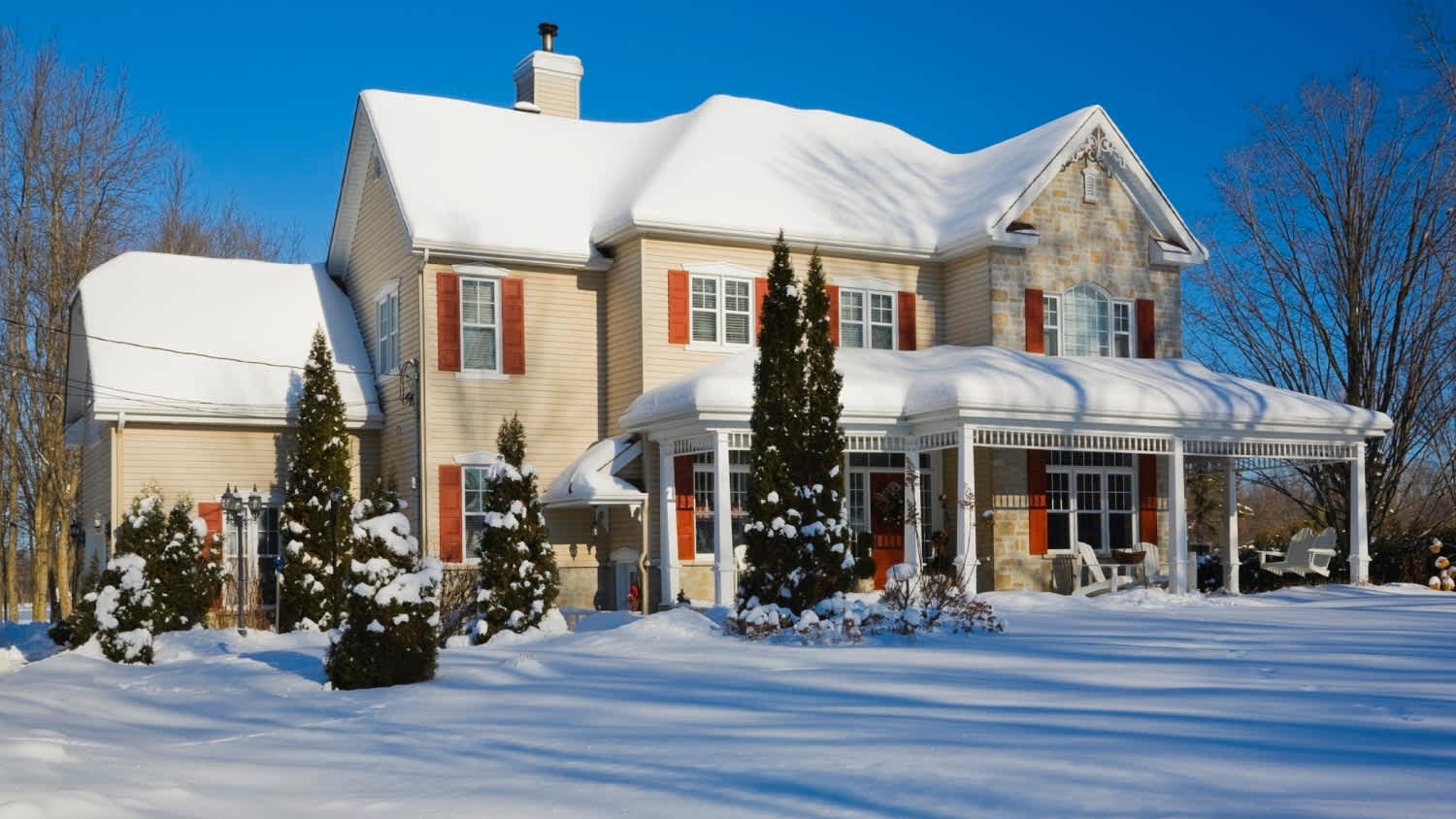
A new roof improves curb appeal, increases home value and keeps your living space protected from the elements. Learn about average roof replacement costs to set your budget.
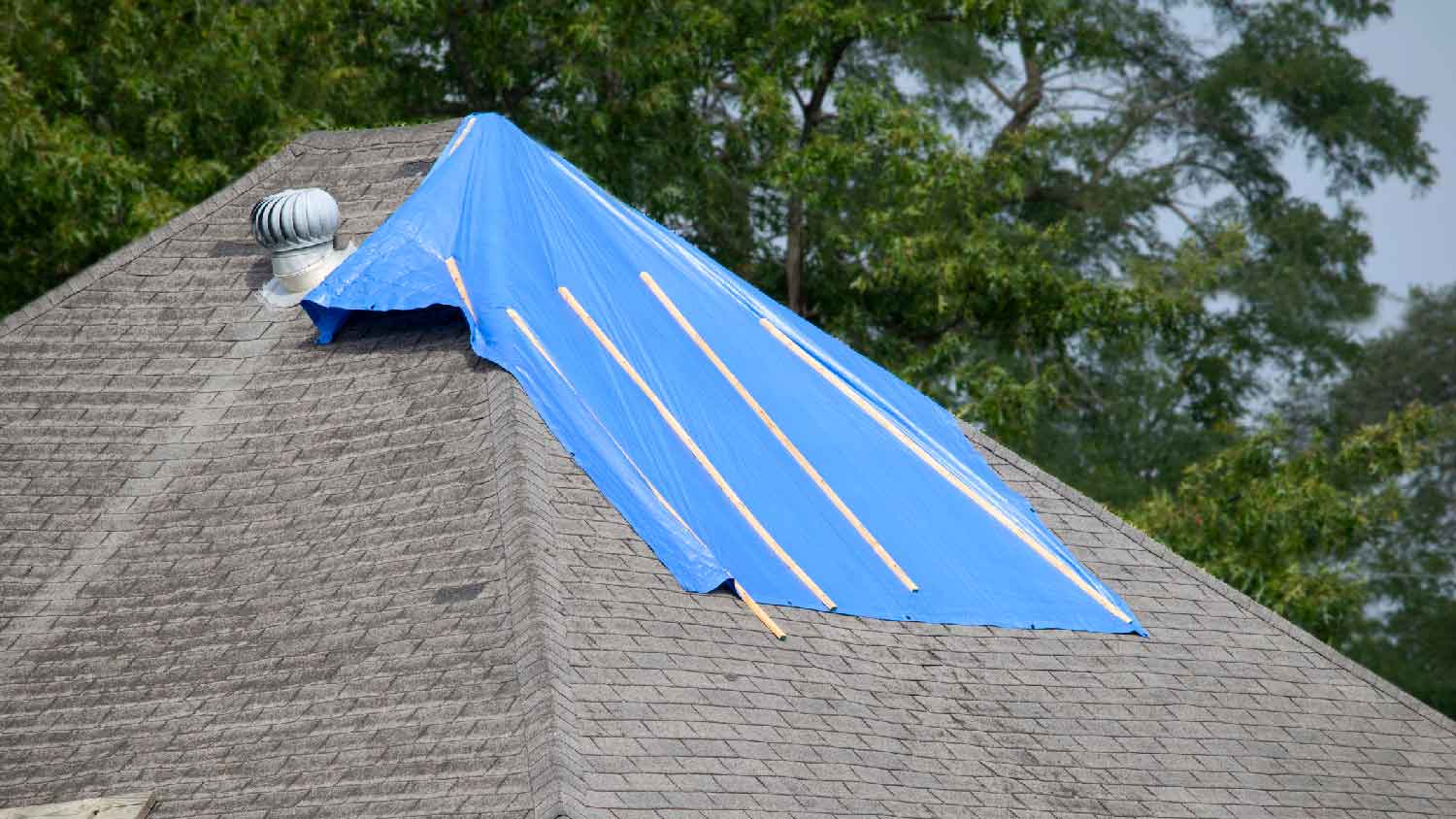
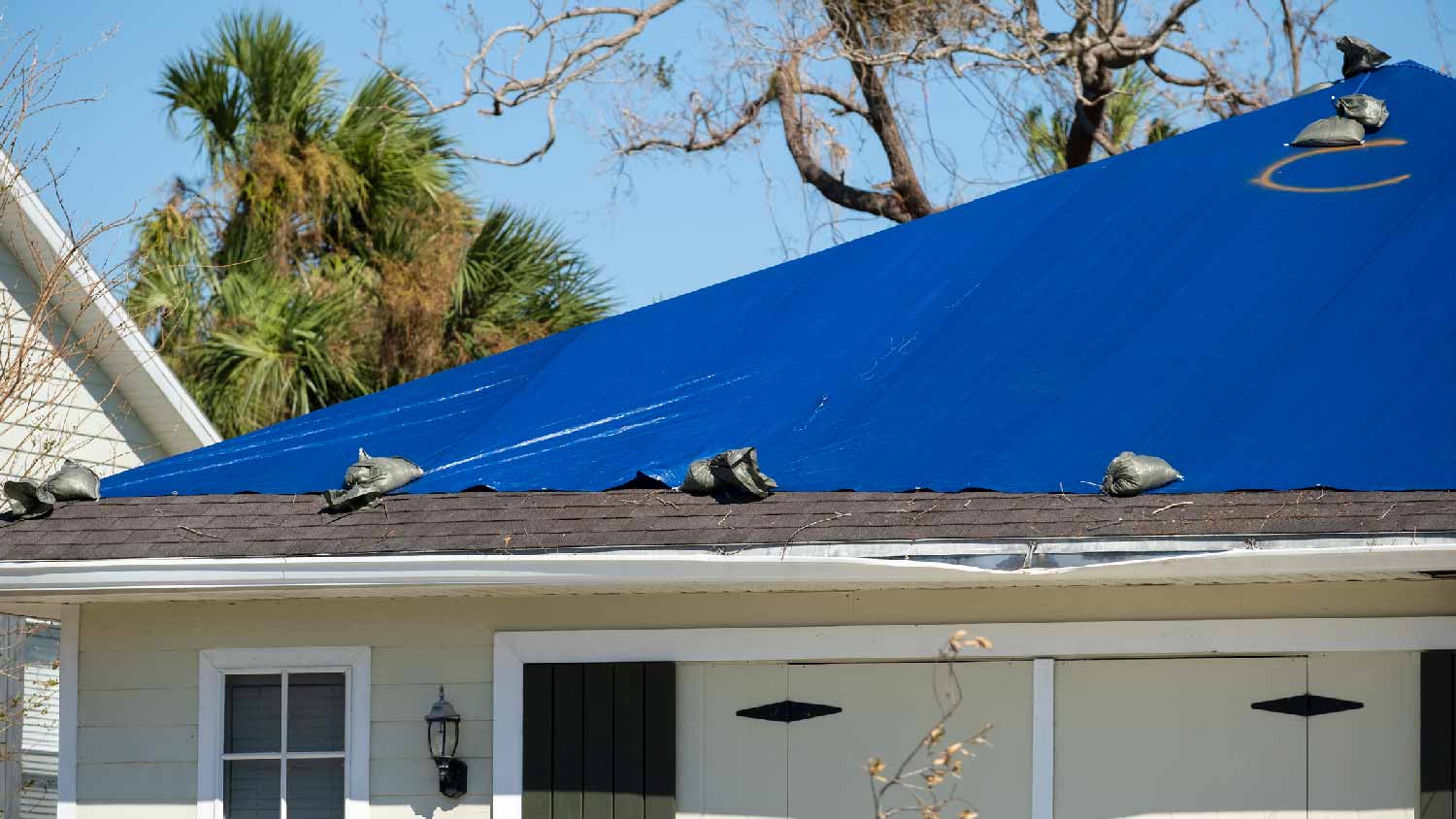
Roof leaks are an emergency, so knowing who can tarp your roof quickly and correctly can save you from major water damage if you ever experience a leak.