Doorbell Installation questions, answered by experts
Adding insulation to ceilings is an excellent way to increase the energy efficiency of your home. If your home's layout is such that you need insulation in the ceilings rather than in the roof, it's likely that at least some insulation already exists in the space. However, each additional inch of insulation you can add boosts the R-value by between 2.2 and 4.2.
R-30 insulation is better for higher thermal resistance, but whether it’s "better" depends on the application. R-30 is much thicker and suited for areas like attics or floors in cold climates, where more insulation is required. R-13, on the other hand, is thinner and works well for 2x4 walls or milder climates where less insulation is sufficient. Choosing between R-13 and R-30 depends on the area being insulated and the climate. For example, R-30 provides more insulation but may not fit everywhere in your home.
Yes, you can install insulation behind drywall yourself, but only if your walls are not finished. If your studs are exposed, installing fiberglass insulation in roll or batt form is very straightforward and just requires a few tools and some safety equipment. If your walls are already finished and you’re looking to add insulation, it’s better to hire a professional, as you’ll likely need blown-in insulation, which can be dangerous to work with and a challenge to get into the proper areas in your wall voids.
Improves water efficiency, reduces oversight, and enhances landscape health.
Air duct insulation typically lasts for 10 to 15 years or even longer, depending on the material and maintenance. It's important to conduct periodic inspections to check for signs of deterioration, such as water damage, tears, or general wear. If you find any of these issues, it may be time for repairs or a full replacement. You might also consider upgrading your insulation even if it's in good shape to improve your home's energy efficiency and enhance your HVAC system's performance with newer, more effective materials.
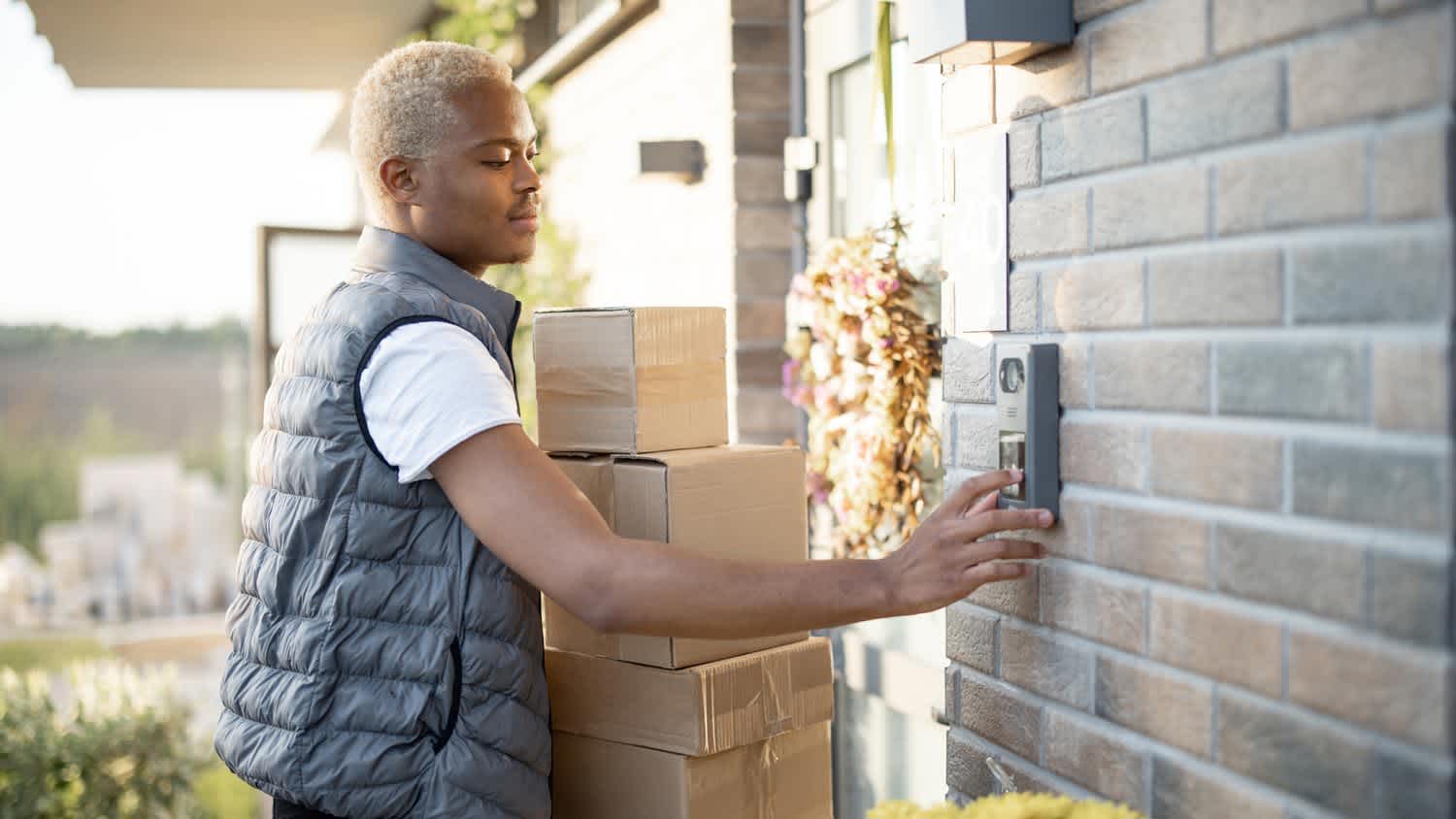
The Barto, PA homeowners’ guide to doorbell installation services
From average costs to expert advice, get all the answers you need to get your job done.
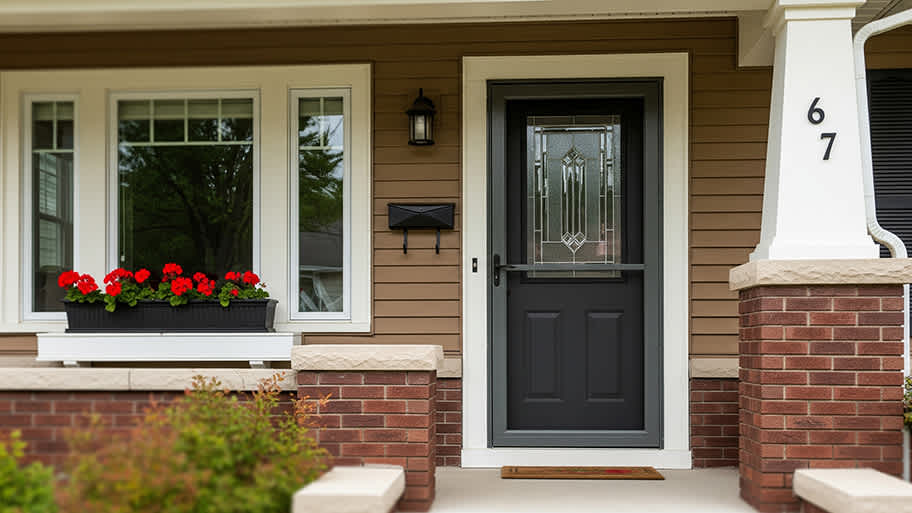
Find the average storm door installation cost in Philadelphia, PA. Learn what you can expect to pay for materials and local labor to upgrade your entryway.
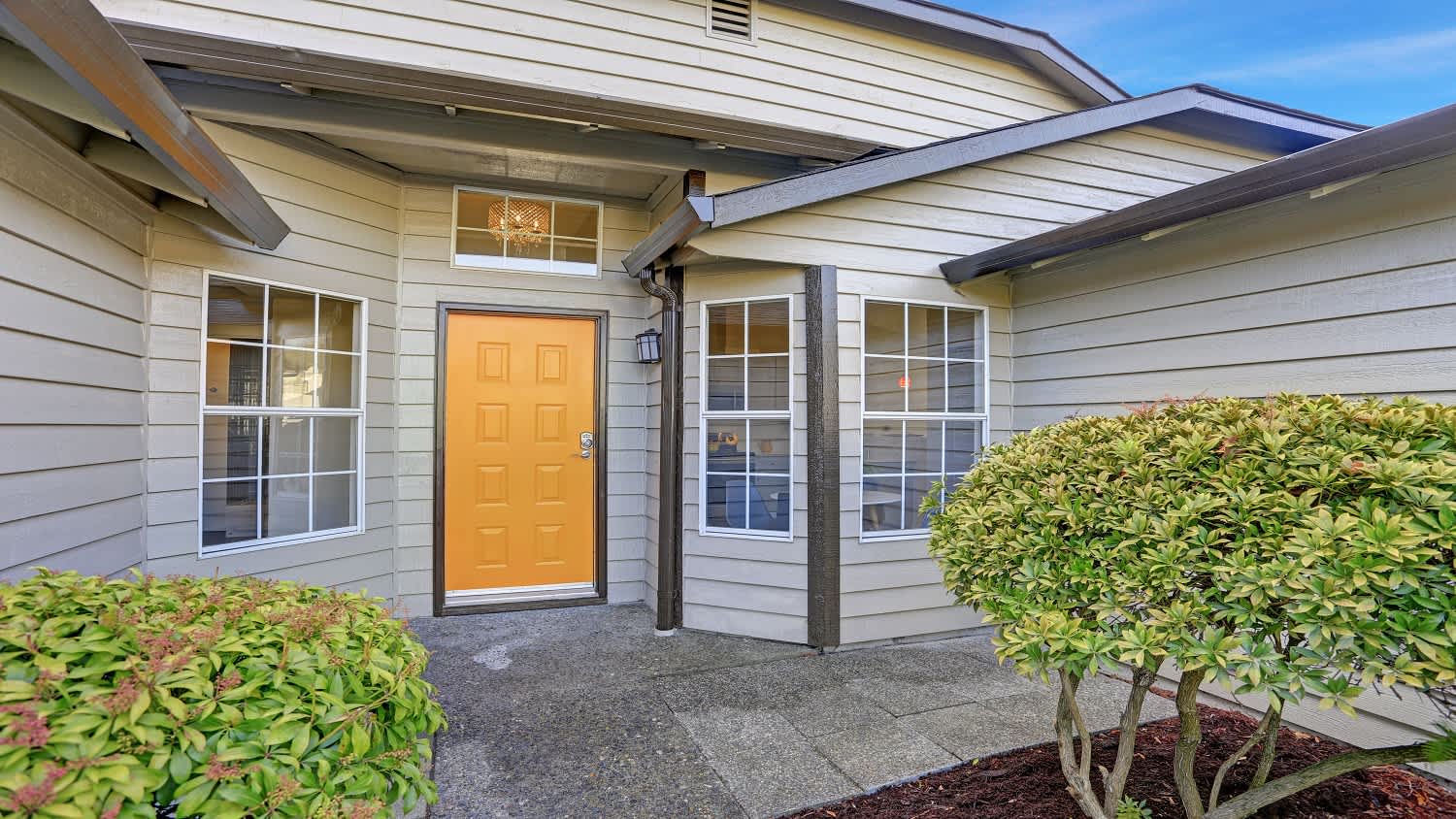
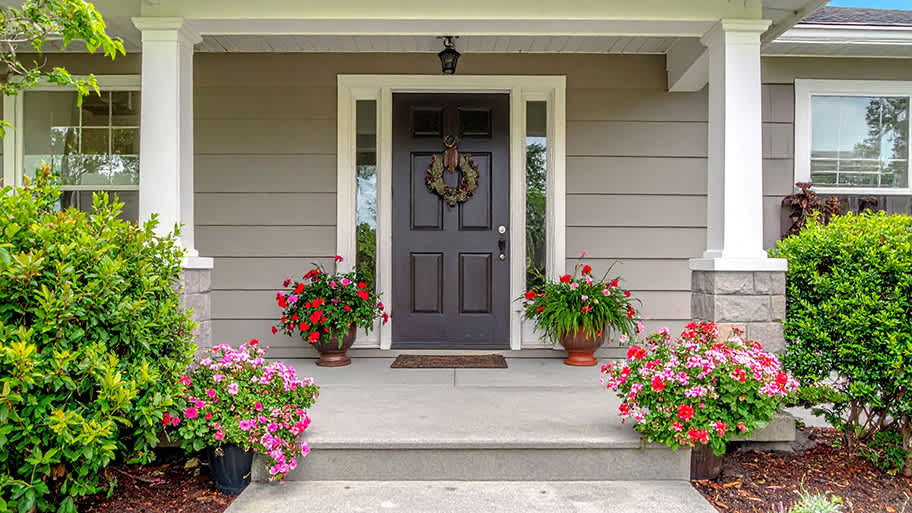
Whether you’re installing a new door or replacing an existing one, the cost of door installation in Philadelphia, PA, varies based on door type, framing needs, and other factors.
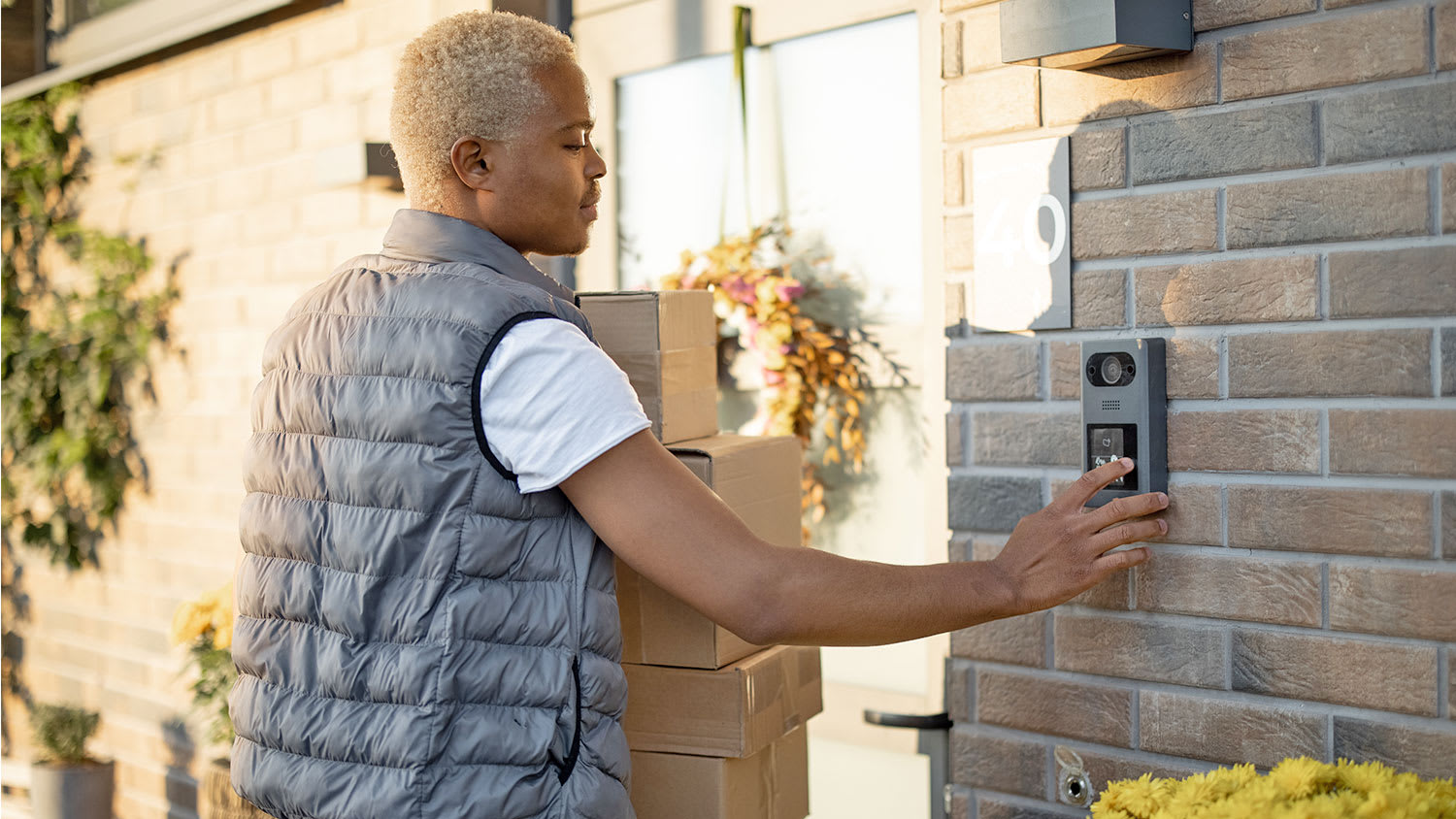
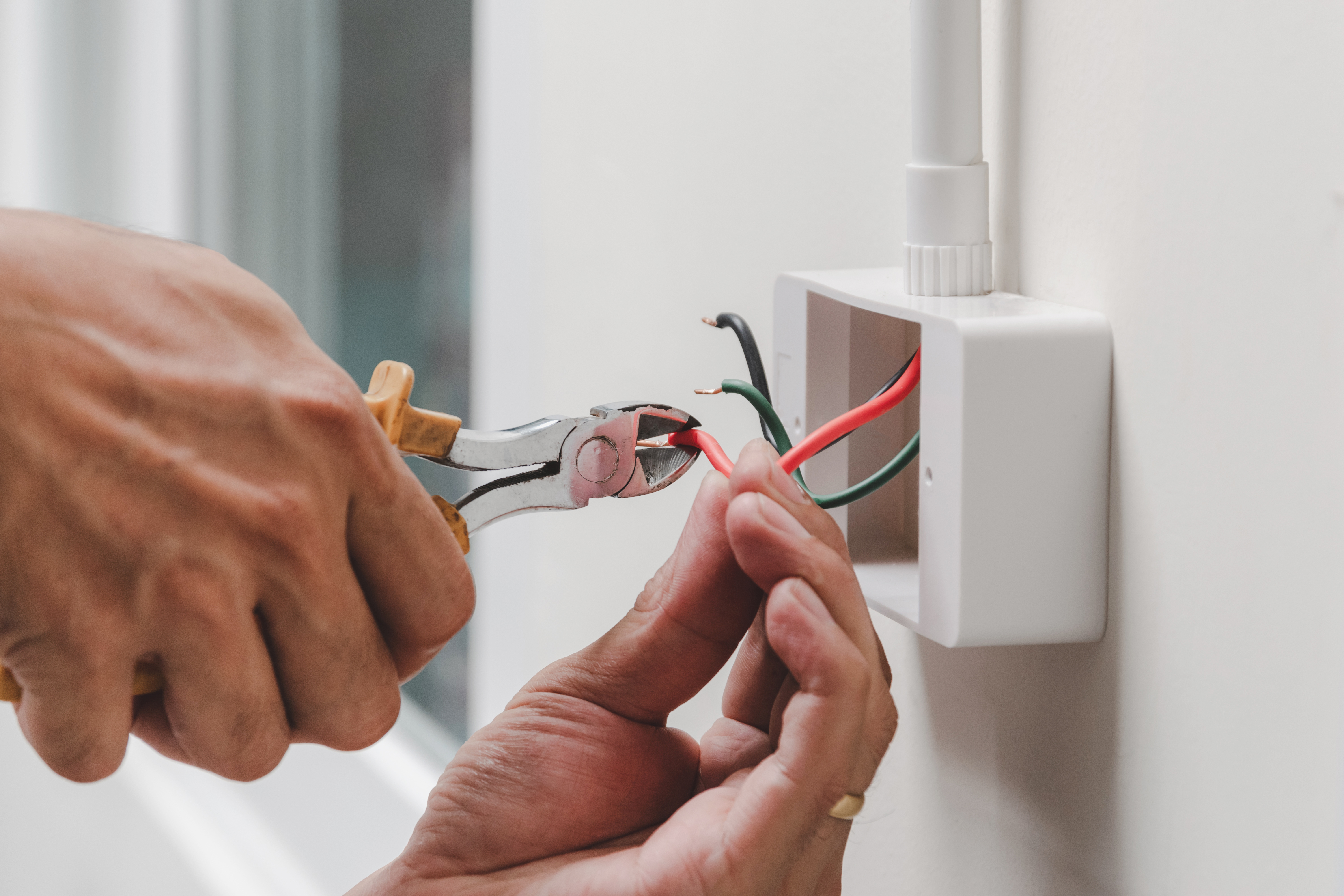
Doorbell wiring is a project you can DIY. This guide covers everything you need to know, from different types of doorbells to wiring, and how to remove an old doorbell.
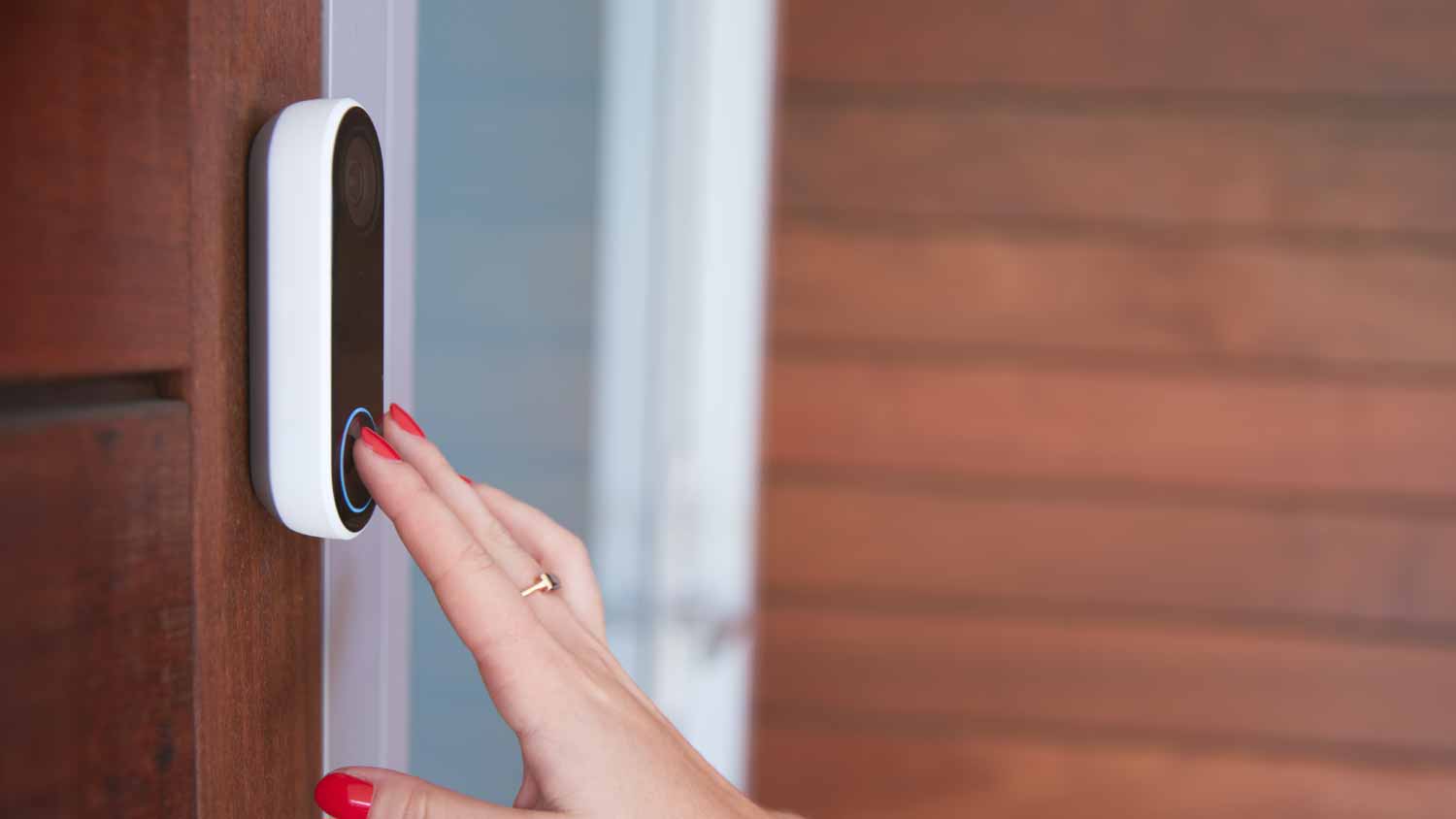
Ready to upgrade your front door and learn how to wire a doorbell? You may be able to handle this relatively simple DIY installation without an electrician.