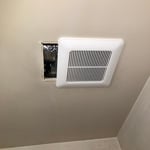
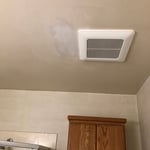
We invite you to experience a tradition of customer satisfaction that will exceed your greatest expectations. Our professionalism and quality workmanship will accurately reflect your taste and lifestyle. From conception to completion, we work with you until the job is done. We are ethical, honest, and easy to communicate with.
\nCall us today you'll be pleased you did. Thank you
\n
"The problem turned out to be a burned out small electric door switch. I believe the price was way too expensive for the service performed and the price of the door switch. What more can I say? It got done."
"He install led three mini split units in our house. He also repaired a toilet seal and leaking toilet connection. We also had him install all the security cameras around our house. We have many other big and small projects that we are going to continue to use him for."
"Shane actually answered the phone the first time I called! He was on time each visit and did an outstanding job in diagnosing and then fixing our oven and ice maker. We highly recommend Shane and you will be glad you called him for any appliance repair you have."
"They were able to complete my electrical addictions within 2 days of my call. They were professional and I will be sure to call them first when I have electrical needs. Nice work!"
You shouldn’t try to touch the electric fence, as it will shock you. Typically, the shock is low enough to be uncomfortable to humans or animals that come into contact with the fence. But an electric fence with high voltage, or a faulty fence, could shock you and cause serious injuries when touched.
Each meter should have a serial number printed or engraved on the face of the meter. Make sure the serial number of the meter you are reading matches your account with the power company. If you live in an apartment complex, the meters are likely located all together. Yours should be labeled according to your apartment unit.
Daisy-chaining refers to placing multiple GFCI outlets in a row along the same circuit. This won’t do any harm, but it’s of limited usefulness because a properly-placed GFCI can monitor all downstream outlets on its own. Multiple GFCI installations won’t usually increase safety except in special cases.
The lifespan of an average breaker box is 25 to 40 years, depending on the type and electrical events that occur in your home. Frequent power outages or surges can cause the breaker box’s lifespan to shorten. Maintain this essential electrical component by avoiding turning it off and inspecting it regularly for signs of damage.
It's recommended that you only use your circuit breaker for your water heater. Tacking on additional appliances, especially large ones like refrigerators, can overload the circuit and lead to electrical fires. Therefore, it's best to have separate circuits for each major appliance, particularly continuous load appliances, which use a lot of energy over prolonged periods of time.
The White City, OR homeowners’ guide to electrical services
From average costs to expert advice, get all the answers you need to get your job done.
Before you hire a licensed electrical contractor, you should learn the cost to run electric from the road to your house so you can budget for the project.
Whether you’re shopping for a new home or simply doing a safety check on your current place, learn what factors influence an electrical inspection cost.
Is it time to upgrade your electrical panel? For the sake of safety, find out sooner than later by exploring our top signs that it’s time for an upgrade.