



Top-rated electricians.

Best electricians near Canyonville, OR

Enter your zip and get matched with up to 5 pros

Need a pro for your electrical service project in Canyonville, OR?

Select your specific project to find the pro for you.

TRUSTED BY CANYONVILLE, OR HOMEOWNERS

  • Average homeowner rating star icon4.4
    Average homeowner rating
  • Verified reviews icon42
    Verified electrical services reviews

Top-Rated Electricians in Canyonville - Updated Nov 2026

Bear Creek Appliance Repair
4.6(
10
)
Appliance (Major Electric Appliance) - Install or Replace

Serving Canyonville, OR and surrounding areas

Approved

In business since 1999

Credit card accepted

Customers say: Quality work

"Shane returned my call within 30 minutes, immediately came out, diagnosed the problem with an 18 year old microwave. went to his truck for a replacement fuse, and everything works like new. Now that is a true professional who will get any future appliance business in addition to any referrals I can send his way. I'm very satisfied. Ron B. Central Point"
Response time40 mins
Recommended by100%of homeowners
Avatar for My Computer Works, Inc.
My Computer Works, Inc.
4.0(
630
)
Telephone Jacks and Wiring - Install - For BusinessTelephone System - Install or Upgrade - For Business

Serving Canyonville, OR and surrounding areas

In business since 2005

Free estimates

Credit card accepted

"I have had a contract with My Computer Works for almost a year and have called them for remote help at least 20 times. The techs are professional and highly efficient in diagnosing and repairing a wide range of problems, both simple and complex. Bless them!"
Training and Support
Recommended by86%of homeowners
Avatar for ESSENTIAL HOME REPAIR AND MAINTENANCE SERVICES LLC
ESSENTIAL HOME REPAIR AND MAINTENANCE SERVICES LLC
5.0(
17
)
Ceiling Fan - InstallElectrical Switches, Outlets & Fixtures - Install or Repair

Serving Canyonville, OR and surrounding areas

In business since 2010

Free estimates

Small jobs welcome

"Very professional in his approach to our concerns and needed repairs. His knowledge was exceptional and the repairs were done quickly. Stephen even pointed out a few small additional items that he completed. I would highly recommend Stephen without hesitation."
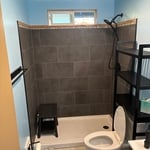
Tub to shower with tile and cedar wood trim.
Bathroom backsplash
Response time2 days
Response rate91%
Showing 1-10 of 41
Electrical FAQs, answered by experts

Yes, a dead outlet can be dangerous and may cause a fire. The lack of power can be due to a hazardous electrical issue that poses a fire risk. If you notice a burning smell, discoloration, or sparks from a non-working outlet, it is a serious issue. It is vital to have a professional electrician investigate and fix the problem as soon as possible.

Most standard residential water heaters, which are typically around 40 gallons and use 240 volts and between 3,500 and 5,500 watts, require a 30-amp, two-pole circuit breaker. For smaller, point-of-use water heaters using 120 volts and between 1,500 and 3,000 watts, a 30-amp breaker is also often adequate. However, some models may have different needs; units that use more watts than average may require a 40-amp breaker, while smaller units might only need a 20-amp breaker. Newer, tankless, or more energy-efficient models can also require a higher amperage. Having the correct breaker size is crucial for safe and efficient operation, so it's best to consult a licensed electrician to determine the specific needs of your water heater.

The best place to put an electrical outlet depends on your needs. A good rule of thumb is to install outlets every 6 feet in large rooms. Hallways over 10 feet long need one electrical outlet minimum. 

If you find yourself needing extra plug-ins for all of your gadgets, you may want to increase the number of electrical outlets in your room. When adding outlets, keep in mind that older homes could have outdated electrical panels. In these cases, you may need a pro to upgrade you from 100-amp to 200-amp service before increasing the power load.

Regular inspections, avoiding circuit overloads, and updating wiring when needed help maintain efficiency.

You can bury underground electrical wire six inches deep—but only if you use a rigid metal electrical conduit. For rigid, non-metallic conduits, bury the wire at least 12 inches deep. If using an underground feeder cable rated for direct burial, you'll need to place it at least 18 inches deep, as it has no conduit for extra protection.

The Canyonville, OR homeowners’ guide to electrical services

From average costs to expert advice, get all the answers you need to get your job done.