We invite you to experience a tradition of customer satisfaction that will exceed your greatest expectations. Our professionalism and quality workmanship will accurately reflect your taste and lifestyle. From conception to completion, we work with you until the job is done. We are ethical, honest, and easy to communicate with.\nCall us today you'll be pleased you did. Thank you\n
"He install led three mini split units in our house. He also repaired a toilet seal and leaking toilet connection. We also had him install all the security cameras around our house. We have many other big and small projects that we are going to continue to use him for."
"The problem turned out to be a burned out small electric door switch. I believe the price was way too expensive for the service performed and the price of the door switch. What more can I say? It got done."
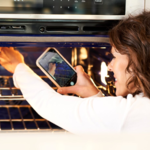
"Shane actually answered the phone the first time I called! He was on time each visit and did an outstanding job in diagnosing and then fixing our oven and ice maker. We highly recommend Shane and you will be glad you called him for any appliance repair you have."
"The pro that came out was very professional and friendly. He did extensive testing to figure out the electrical problem we were having. He changed out three light fixtures with new ones and it has solved the problem. I would definitely use this company again for any future issues."
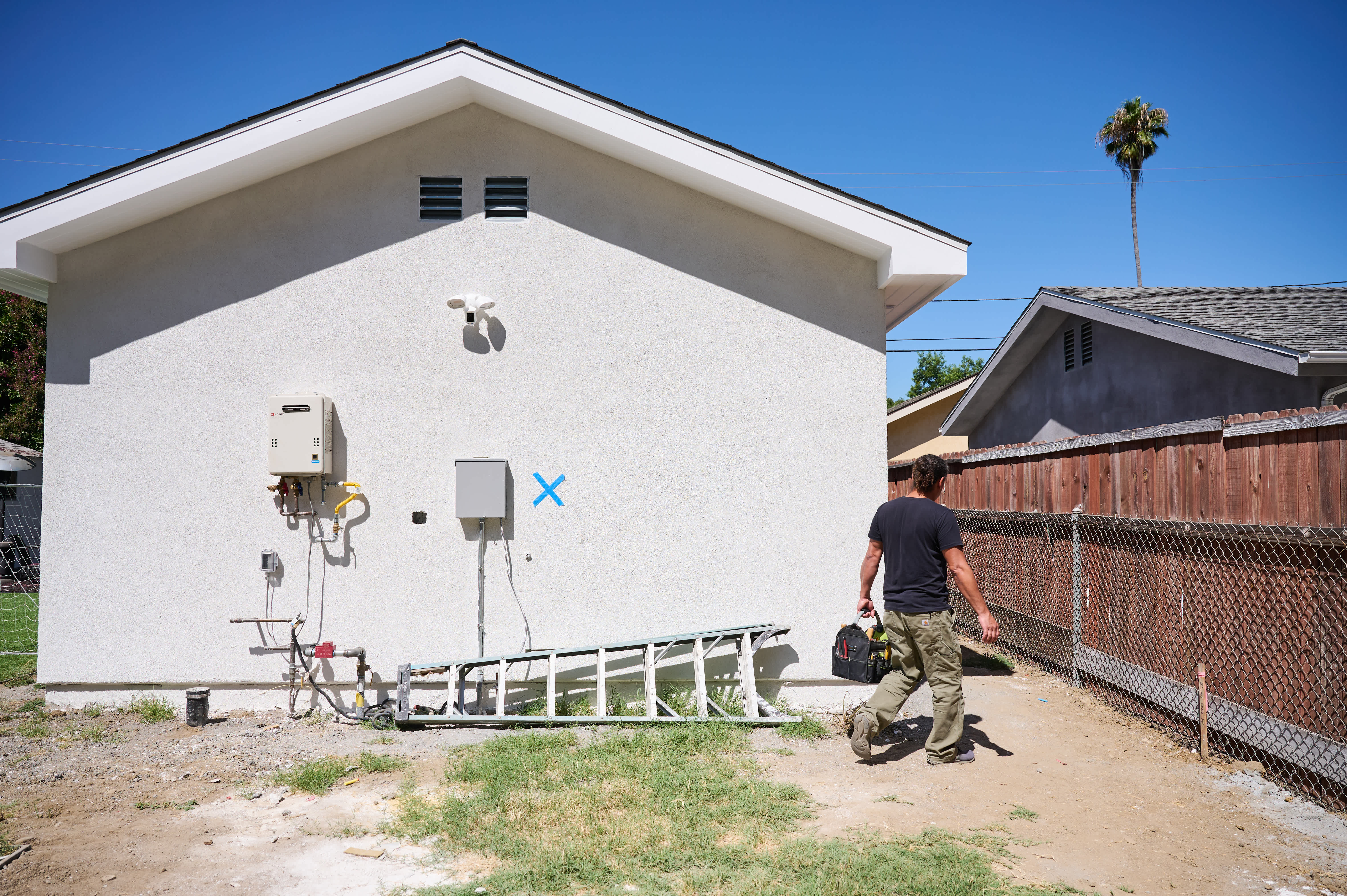
Though they may seem similar at a quick glance, outdoor electrical outlets are different from indoor electrical outlets in that they have extra safety precautions to prevent electrical hazards. These include GFCIs, which some indoor outlets have, and a watertight cover that allows you to use electricity from the outlet even on a rainy day.
Qualified, licensed electricians will charge from $50 to $100 per hour. The cost to hire an electrician for emergency visits may range from $100 to $200 per hour because this urgent service usually takes place during off hours and may require an electrician to leave or reschedule jobs they’re currently working on. Scheduling work on holidays or during periods of high customer demand, like after a major storm, will also lead to higher rates or extra fees.
Modern homes have a lot of devices and appliances running at once. That means there are many different wires and cables throughout the house. Service entrance conductors (also known as service entrance cables or service feed wires) connect the external weatherhead for the utility pole to the circuit breaker box. This is your home’s connection to your local power grid.
The main reason outlets become loose is because the contact points have started to wear down after years of use. Occasionally, poor wiring can cause heat or sparks that can damage the outlet and cause it to become loose. Either way, if your plugs slide out after being inserted into the outlet, it’s time to replace it.
A water heater is one of the heaviest hitters in your home, and it needs as much power as possible to help it run efficiently and effectively.
Your water heater should be on its own dedicated circuit breaker, with no other power sources running to it. This is required to meet the National Electric Code–and to ensure it runs as efficiently as possible.
The Central Point, OR homeowners’ guide to electrical services
From average costs to expert advice, get all the answers you need to get your job done.
Before you hire a licensed electrical contractor, you should learn the cost to run electric from the road to your house so you can budget for the project.
Whether you’re shopping for a new home or simply doing a safety check on your current place, learn what factors influence an electrical inspection cost.
Is it time to upgrade your electrical panel? For the sake of safety, find out sooner than later by exploring our top signs that it’s time for an upgrade.