




Top-rated generator install pros.

Best generator install pros near Wheeler, OR

Enter your zip and get matched with up to 5 pros

Need a pro for your generator install project in Wheeler, OR?

Select your specific project to find the pro for you.

Top-Rated Generator install pros in Wheeler - Updated Nov 2026

Avatar for JBC Group Solutions Inc
JBC Group Solutions Inc
4.0(
4
)
Fixed Generator - InstallFixed Generator - RepairGenerator - Install+4 more

Serving Wheeler, OR and surrounding areas

In business since 2007

Emergency services offered

"They did a real good job. They were real professional. We can now open the garage door from the inside of the house and now it is so smooth that we have to check to see if we hit the button to open it or close it.  Before we used to know when it was opening or closing because it used to make a noise. It helps when you move to a city where you are new. "
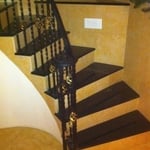
Custom Staircases
Custom Exterior Restoration
Custom Bathrooms
Recommended by75%of homeowners
Generator Install FAQs, answered by experts

The amount of time a standby generator can run continuously is around 3,000 hours on average. However, standby generators can generally run indefinitely as long as they have a continuous fuel supply. Generators hooked up to a home’s natural gas supply are the best option for extended usage, as these won’t rely on a finite fuel supply based on how much you have in storage. Generators running on liquid propane or diesel won’t last as long, as these require fuel storage and regular refueling to stay running.

It might seem counterintuitive, but installing a generator transfer switch will save you money in the long run. While you’ll have to pay between $400 and $2,500 to have the transfer switch installed, you’ll recoup that amount later on when you don’t have to pay for expensive repairs to your appliances, devices, and electrical system that may have burned out, overloaded, or stopped working due to a sudden loss of power or an incorrect hook up of a generator to your home. 

Sizing a generator is a careful process that requires calculating the electrical load of your entire house. You have to take into account every device you want to use and their wattage requirements, plus the wattage needed to start them, and look for a generator that can safely run all that at around 80% capacity.

In more practical terms, a small home can run on a 10,000-watt generator (and if you only want to power a few key appliances, much less than that). A mid-sized home may need something between 15,000 and 22,000 watts. Larger homes require 25,000 watts or more. 

Here’s what you can run with different wattages and types of generators:

Portable generator:

  • 2,000 watts can handle a large appliance like a freezer or refrigerator, plus a few smaller items like phones or computer chargers. 

  • 4,000 watts will keep two large appliances operating and a few smaller devices.

  • 8,000 watts should power most essential appliances and other devices, including a sump pump, well pump, or your dishwasher.

Partial to whole-house generator:

  • 20,000 watts and above will make it seem like your home’s power is still on.

As a safety measure, you should always turn off the main breaker while operating your generator’s backup breaker. In addition, you should also switch off all appliance breakers so you don't have a power surge when the main breaker turns back on. And finally, turning off the main breaker prevents back-feeding, which endangers utility workers with the risk of electrocution. Back-feeding could also destroy the electrical circuits of your neighbors if they use the same power network.

The Wheeler, OR homeowners’ guide to generator installs

From average costs to expert advice, get all the answers you need to get your job done.