


Top-rated fencing pros.

Get matched with top fencing pros in Shady Cove, OR

Enter your zip and get matched with up to 5 pros

Need a pro for your fencing service project in Shady Cove, OR?

Select your specific project to find the pro for you.

TRUSTED BY SHADY COVE, OR HOMEOWNERS

  • Average homeowner rating star icon4.3
    Average homeowner rating
  • Verified reviews icon28
    Verified fencing services reviews

Find Fencing pros in Shady Cove

Avatar for Get Blessed Enterprises LLC
Get Blessed Enterprises LLC
4.3(
13
)
Wood Fence - InstallWood Fence - RepairVinyl or PVC Fence - Install

Serving Shady Cove, OR and surrounding areas

Approved

In business since 2021

Free estimates

Credit card accepted

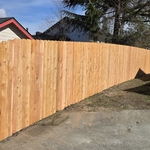
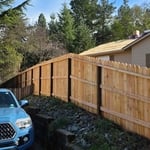
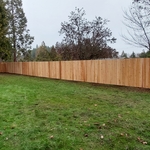
"Richard from get blessed enterprises has done a outstanding job building our fence. Richard and his crew are very professional, friendly, hard working and they get the job done! I would recommend Richard and his team to any one looking for quality craftsmen to work on anything and everything at your home. Good job Richard.....thank you"
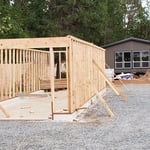
Garage Framing
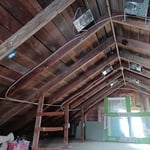
Attic
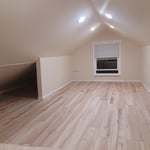
Nice Bedroom
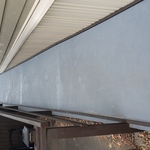
Handicap Ramp
I want a ramp here

+3

Response time3 days
36 neighbors recently requested a quote
Recommended by100%of homeowners
Showing 1-10 of 49
Fencing questions, answered by experts

The ideal spacing for four-by-four residential fence posts is usually about 6 to 8 feet between posts. However, if the fence is particularly high or you live in a very windy region, you might want to space them closer together for better stability. A fence pro can help you decide on your post spacing. 

A barbed wire fence will last an average of 15 to 20 years, but the life expectancy can range anywhere between five and 50 years. Thicker wires last longer, as do fences made with galvanized metal. If the barbed wire fence is in a climate with harsh winters and summers, it likely won’t last more than 10 to 15 years. Failing to keep up with maintenance and repairs will also shorten the lifespan of a barbed wire fence.
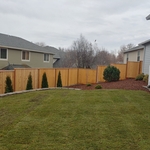
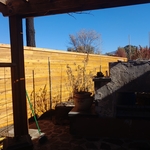
When choosing wood for a fence, consider your budget and geographic region. The most popular and common types of wood are cedar, redwood, and pressure-treated pine. Cedar is a top choice due to its natural durability, resistance to rot and insects, and budget-friendly price. Redwood is another durable, tried-and-true option, though it is typically more expensive. Pressure-treated wood, such as pine, is also a widely used and popular alternative. These materials are readily available at most hardware stores, which makes future repairs and replacements easier. Their accessibility and long-lasting performance make them excellent choices for most fence installation projects.

Vegetable gardens can easily become a convenient food bank for your local animal population, whether it’s squirrels stealing fruit or rabbits munching on freshly grown veggies. If you want to keep those critters out, it helps to put a fence around your vegetable garden that’s at least a couple of feet tall to deter any animals from getting past it. Just make sure your fence doesn’t interrupt the amount of sunlight your garden needs to thrive. 

A setback is an area of space between your fence and the property line, meaning you build a fence a few inches before your neighbor’s property begins. You can build your fence on a setback—some communities recommend this—but this means a sliver of your property will be on your neighbor’s side of your fence.

The Shady Cove, OR homeowners’ guide to fencing services

From average costs to expert advice, get all the answers you need to get your job done.