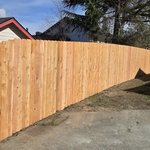
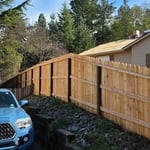
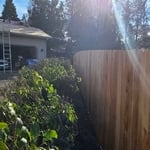
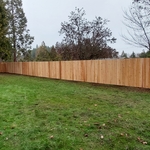
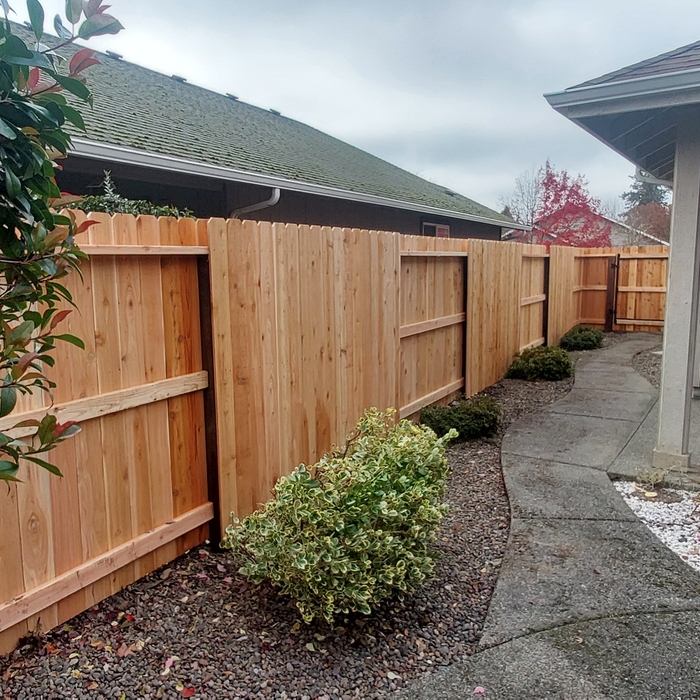
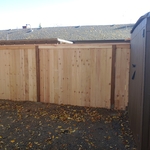
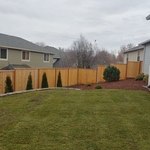
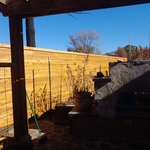
"They did an amazing job on my fence. They were fast and efficient with great customer service. All of their employees were very respectful of my property and I will be hiring them again for future projects"
"John and his crew did a great job. They were fast, efficient, and eager to please. They took out my old 4' chain-link fence and replaced it with a 6' wood fence. I will definitely be using them again."
"This company can do just about anything and they are more affordable than the competition. They've done several roofs for me, fencing, flooring, decks, small jobs. I always call them first now."
"The Contractor. A nice guy with a fair price. Did a Beautiful paint job on the inside of my house and a great job putting up my back yard fence with gate. He is definitely a Pro and I would hire him again……."
"I was very satisfied with their teams performance. They worked quickly yet accurately with low overall noise. Great communication when unseen obstacles were uncovered. I will continue to use them for future projects and highly recommend them."
"They are excellent, they always return my calls, they showed up exactly when they said they will, and their work was excellent. They are very professional."
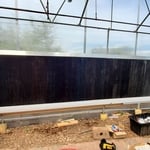
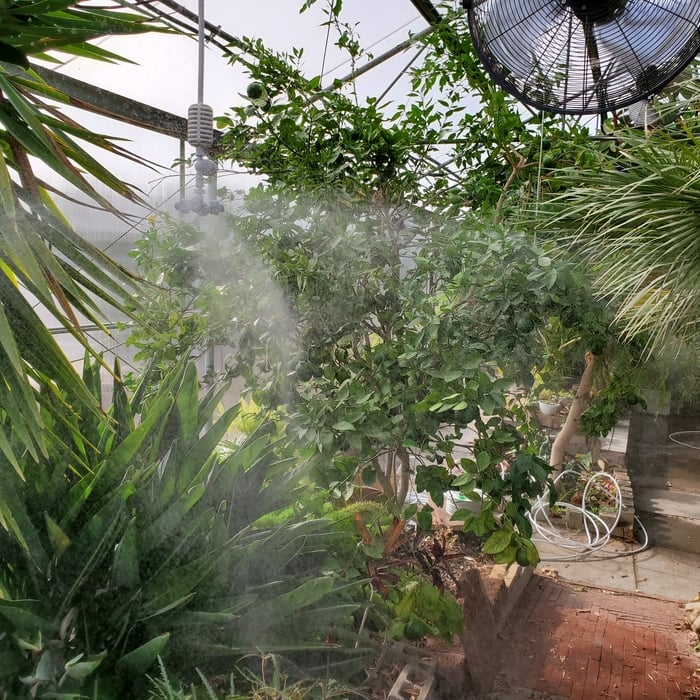
"Everything was fine. I don't think I would need another greenhouse but if I need another one, I would contact them. I would give them the best rating."
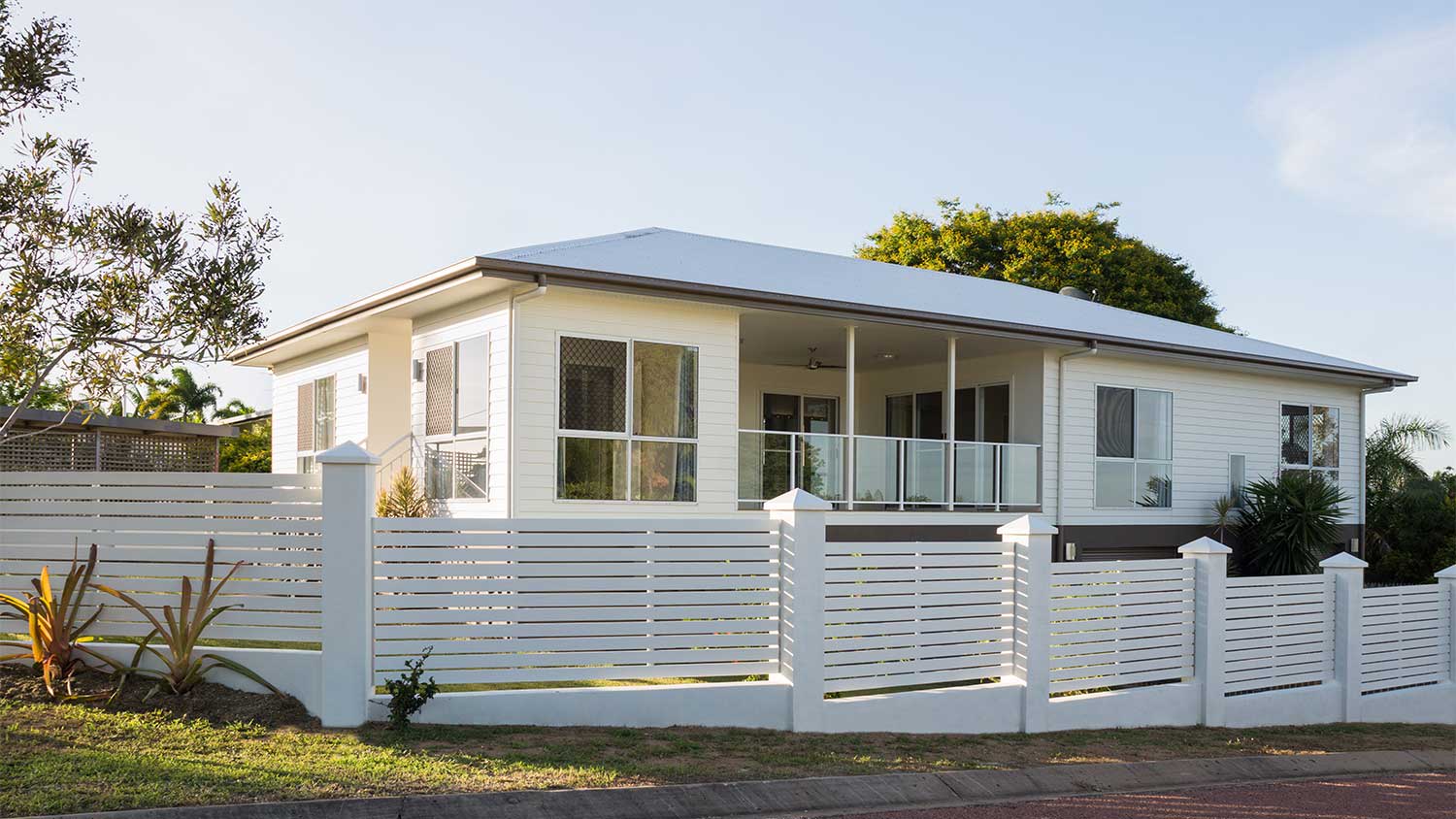
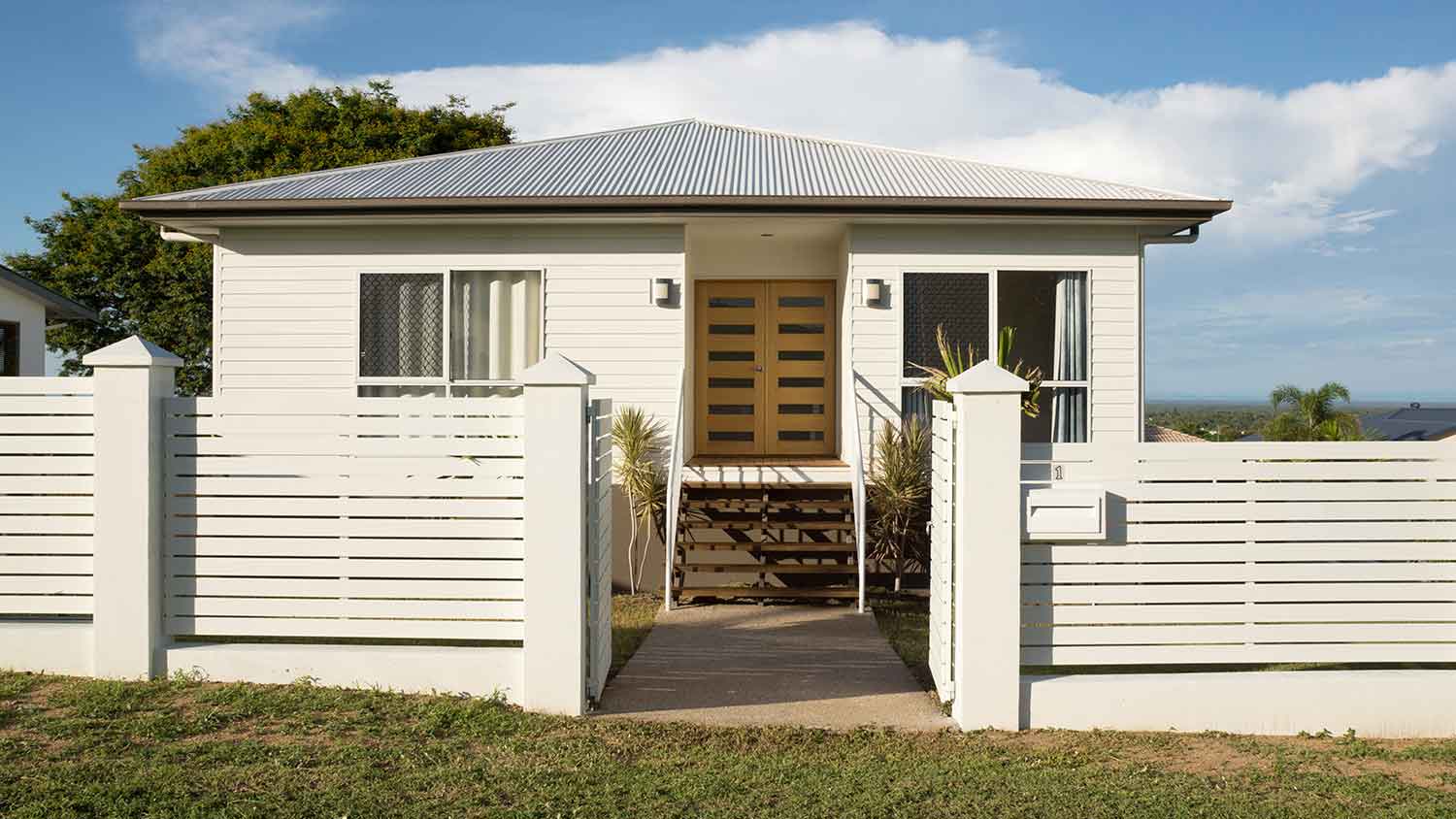
A horizontal fence is typically more expensive to build than a vertical fence, often costing between 10% and 20% more. The higher cost is due to the need for a higher grade of lumber and more posts to prevent the boards from sagging, which increases both material and labor expenses. Despite the higher price, horizontal fences tend to be more durable and offer a more distinct, modern look compared to the more common vertical picket style. However, they may not be the best option for privacy, as there can be slight gaps between the horizontal rails.
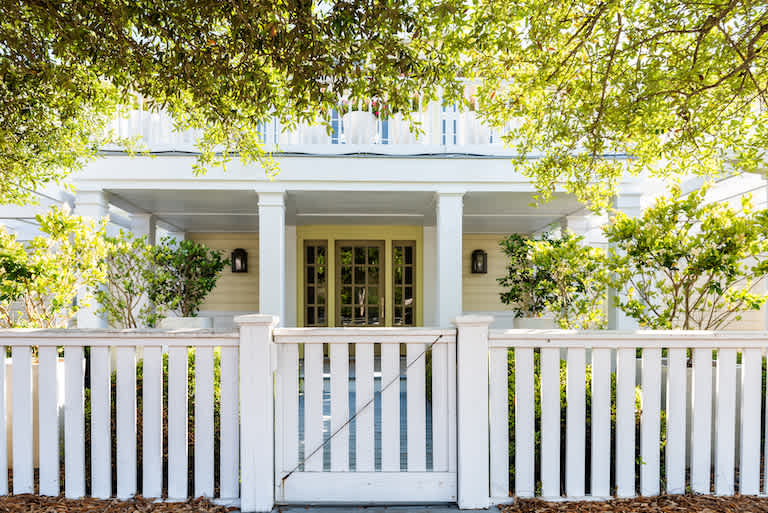
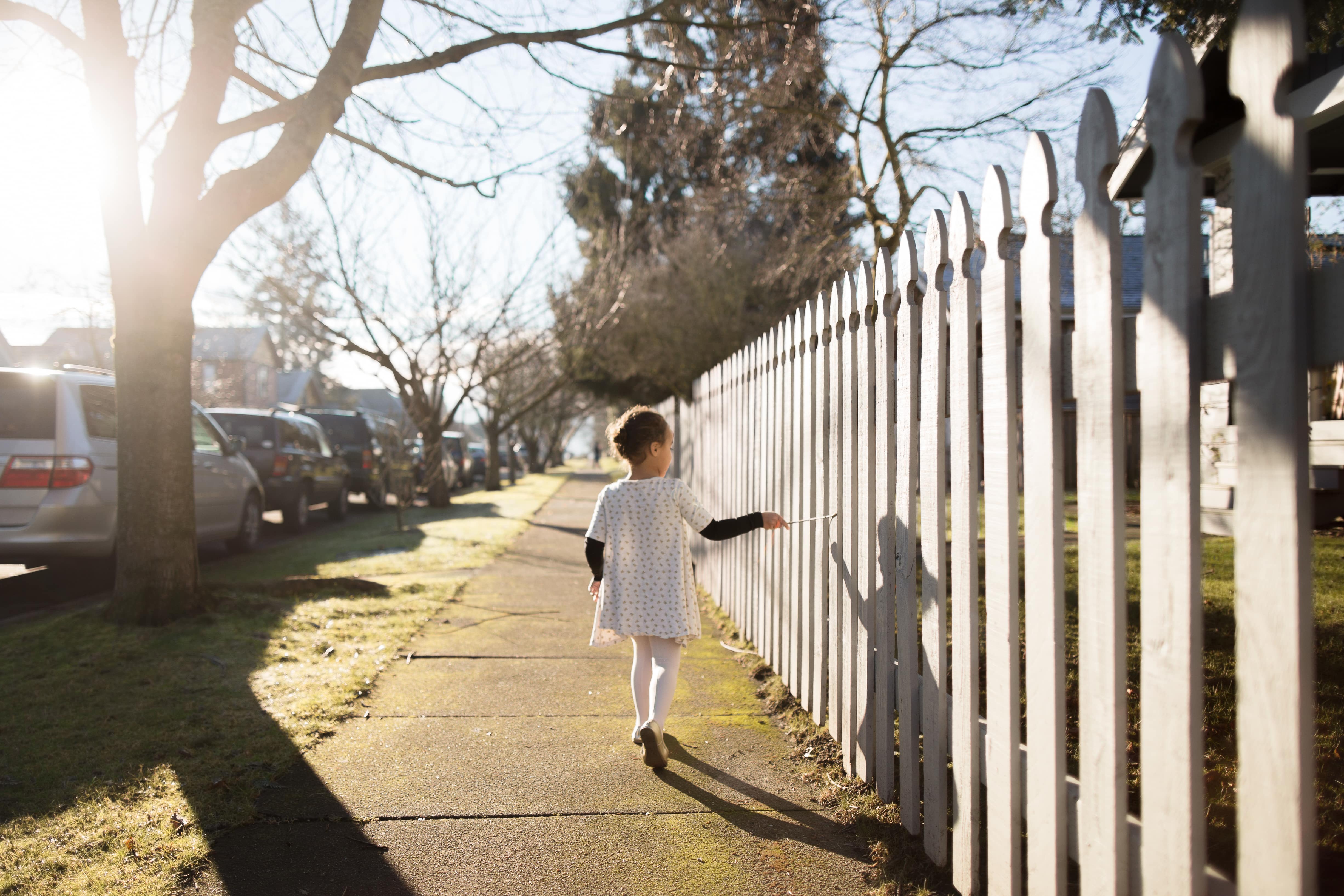
While cedar and pine are two of the most common wooden fence materials, everything from redwood to bamboo is also available. You can also purchase pressure-treated wood, which better withstands water damage and the threat of pests. The best wood for your fence will come down to your budget, local climate, and preferred look.
Typically, a fence requires one to two coats of stain. The exact number can vary depending on the porosity of the wood. For specific guidance, it's best to check the manufacturer's instructions. After applying the first coat and letting it dry completely, you can assess the finish. If it appears patchy, uneven, or you want a more saturated color, a second coat is recommended. An extra coat can also help cover lap marks.
Posts for a horizontal fence should be no more than 6 feet apart. Wood pickets are not as strong when mounted horizontally as when mounted vertically. As such, the fence panels on a horizontal fence can’t cover the same span between posts as a vertical fence can. If you install the posts further apart on a horizontal fence, the fence will lose stability, making the boards more likely to sag.
You can reuse chain link fences as long as they’re in good condition. The best part—reusing it helps you make the most of the cost of a chain link fence. Whether you want to reuse it or consider asking someone to remove it for you in exchange for a free fence, it’s possible. If you can’t find a location for it in your yard, you can repurpose a chain link fence by donating it to a local animal shelter or community garden.
The Myrtle Creek, OR homeowners’ guide to fencing services
From average costs to expert advice, get all the answers you need to get your job done.
Chain-link fences are among the most affordable options available. Use this chain link fence cost guide to see what your fence installation will total.
Fence repair costs depend on the extent of damage, your fence's material, and how much of the fence you need to fix. Explore all the price factors in this guide.