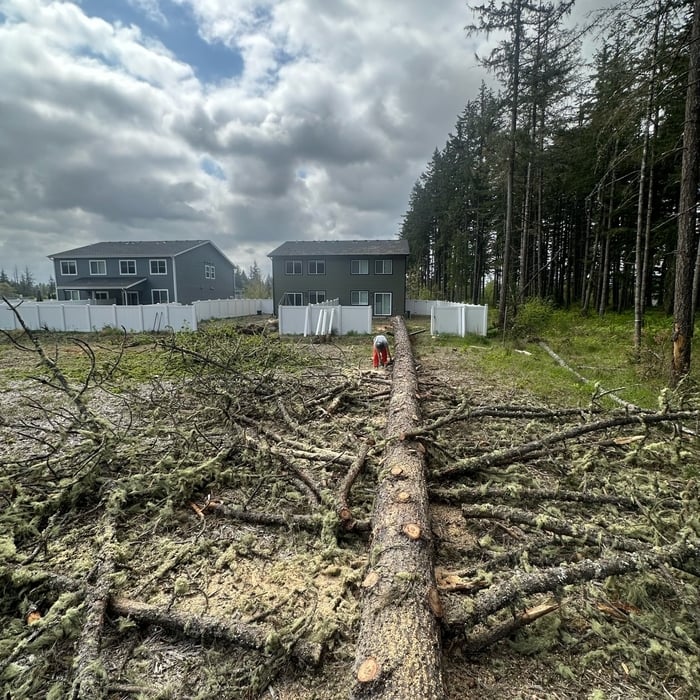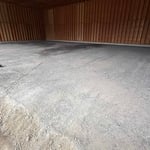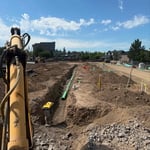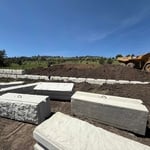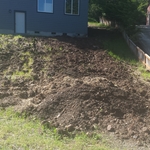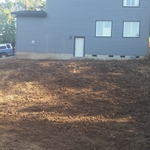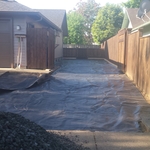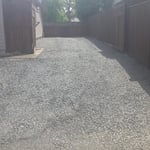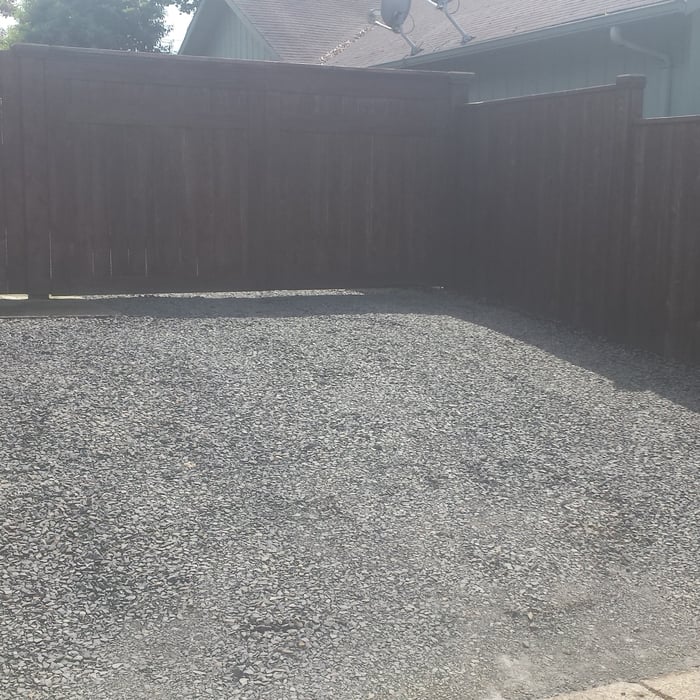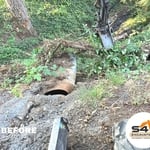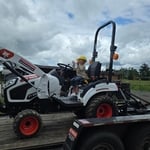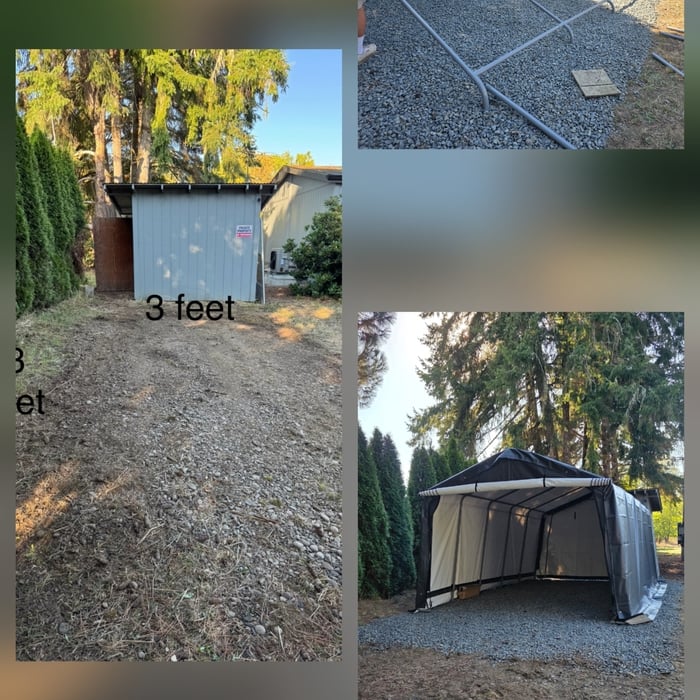





"Yes, Peyton was very flexible with us working around the weather. Work was done very professionally and within the quoted price. Workers friendly and prompt"

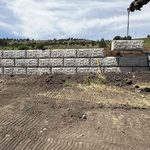
"I hired Ben to recreate a retaining wall on my property. I gave home some guidance on how it should look, provided pictures and examples, however as he started to lay it out I had some modifications and feedback. He took all feedback and used his skills and experience to make it look natural but also function as a retaining wall. Beautiful and functional work at the end of the day and very reasonable pricing."
"My yard hasn’t looked this good in years! It has been covered in blackberries and another invasive species for the past 4 1/2 years since my husband’s death which was my main concern, but they had gentle suggestions for the rest. My favorite was the incorporating of my collection of large white quartz and granite river rock from the banks of the Rogue River from our many vacations on the coast and the use of my mother’s (an avid gardener) statues which they put to good use. (Didn’t realize I had so many of the latter!). They unburied some of the plants I had forgotten about, readjusted climbers, saved my roses, daylilies, a rhodie I thought was dead, and a lilac I thought some previous worker had killed, put weed fabric over every space before replanting the few plants I bought, showed me how to replant with new plants. I’ve had neighbors comment on my “new” front yard and friends on my back yard. And I really enjoyed them!"
Wickwire Civil provides professional excavation and civil site services focused on precision, safety, and performance. We support residential and commercial development with reliable earthwork and site preparation solutions.
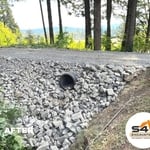
"I hired Adam Hart of Skyline Excavation to install a stormwater soakage trench and site preparation for two raingardens on my residential property in Eugene to conform to city of Eugene's stormwater management regulations. He arrived the day after I hired him at 7 AM with his crew and equipment and worked 10 hour days for the next four days finishing up with a Sunday session. He was very knowledgeable about the work and his crew was very helpful on miscellaneous minor tasks. I would highly recommend Skyline."
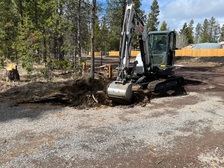
"Jerid and his crew did an amazing job on our site. From clearing the old out and prepping for the new home. Everything was done with professionalism. Jerid always had some amazing ideas and suggestions. No questions were stupid questions. Between Jerid and Brad there was an answer. We would definitely hire S4 again for our projects. We absolutely love how everything turned out. We really can't say enough about Jerid, Brad, Ty and Daydra!!"
"Tim Helean is professional thorough and extremely knowledgeable. He assisted significantly with the planning and design of the project.. Our project was completed on time and met our expectations. I highly recommend Elevated Excavation LLC and look forward working with them in the future.. Lastly, his pricing was very reasonable."
Hardscaping often requires preparation of the ground in the area where the feature is being installed. This can include digging, compacting, and leveling the soil, ensuring adequate drainage, and removing any existing plants. The extent of preparation needed will depend on the type and size of the hardscaping feature being installed.
Septic drain lines (or leach lines) are typically buried between 18 and 36 inches underground, and should be at least 6 inches below the surface. These pipes are perforated and surrounded by filtering materials like sand or gravel. Burying the lines at this depth helps minimize odors and allows bacteria and other biological processes in the soil to effectively treat the wastewater. Burying lines too close to the surface can cause issues unless the soil is very compact and stable.
The best way to protect tree roots is to avoid the roots entirely by excavating outside the root radius of the tree. For nearby projects, it’s a good idea to construct a temporary retaining wall. But that’s not always possible, depending on the project and the root system. In these cases, consider using alternative equipment like an auger to tunnel under the ground.
Remember, tree roots can damage nearby cement foundations as they grow. If a tree is close enough to interfere with large excavations, it may be better to remove the tree than risk future problems.
A crawl space can be as little as 42 inches below the grade of your house, but this is not always recommended in flood-prone areas. At a minimum, there must be at least 16 inches of clearance between the ground and the floor joists to access the space in an emergency.
The rules and regulations regarding groundwater use vary between states. To find out if you can dig a well on your property, you’ll have to consult these regulations, address any compliance requirements, and get the appropriate permits. It’s also important to check that your intended location has the right geology and water table to support a well.
The Oakridge, OR homeowners’ guide to excavation services
From average costs to expert advice, get all the answers you need to get your job done.
Excavation costs $1,500 to $6,300 for most residential projects—but it depends on factors like the size of the area. This guide will help you plan a budget.
You can't have an in-ground pool without digging into the ground. How much does pool excavation cost, and can you take it on yourself? Our guide explains.
Picking the right pro can make or break your project. Learn how to hire an excavation pro with the qualifications and skillset to do the job efficiently.