

Top-rated fireplace pros.

Best fireplace pros near Mount Vernon, OR

Enter your zip and get matched with up to 5 pros

Need a pro for your fireplace service project in Mount Vernon, OR?

Select your specific project to find the pro for you.

Top-Rated Fireplace pros in Mount Vernon - Updated Nov 2026

Avatar for JBC Group Solutions Inc
JBC Group Solutions Inc
4.0(
4
)
Brick or Stone Fireplace - Repair

Serving Mount Vernon, OR and surrounding areas

In business since 2007

Emergency services offered

"I have been using them for 3 years for multiple projects and would not go to somebody else. They also built a cabin in the woods. It was built 10 miles from the road so it was like carrying all the stuff up the path. They also did the garage and remodeling of the house, mostly kitchen and a little bit of plumbing work in the bathroom. I am still using them and I would be using them for the next thing that will be coming up too."
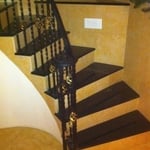
Custom Staircases
Custom Exterior Restoration
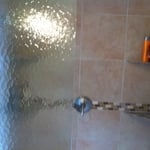
Custom Bathrooms
Recommended by75%of homeowners
D&C Sanders Family Masrony and Construction
New to Angi
Brick or Stone Fireplace (Gas) - InstallBrick or Stone Fireplace (Gas) - RepairBrick or Stone Fireplace (Non-Gas) - Install+1 more

Serving Mount Vernon, OR and surrounding areas

In business since 2000

Free estimates

Offers commercial services

We pride our company on reliability, great communication, integrity, and quality work. We are experts in our trade and will do our best to keep you as educated as we can on your particular task or project. We look forward to earning your business!

Fireplaces FAQs, answered by experts

Chimney liners often benefit from insulation, though it is not always required. Insulation helps improve the liner's efficiency by keeping flue gasses hotter, which enhances draft and reduces creosote buildup. It also prevents condensation, which can lead to corrosion. Insulation is important for chimneys on exterior walls or in colder climates. Some building codes may require insulation, so checking local regulations is essential.

The damper, located just above the firebox, can open or close the chimney flue. The damper should remain closed unless there’s a fire burning in the fireplace. Closing the damper prevents energy loss through the chimney and cold air from seeping into the home during the winter. Opening the damper helps maintain airflow when there is a fire and prevents smoke and gases from venting into the house.

You may have some limitations when looking for materials and a design to reface your gas fireplace versus what’s available for a traditional wood-burning fireplace. Some gas fireplace surround ideas include stone, concrete, brick, tile, wood, steel, and plaster. However, you should check with the manufacturer of your gas fireplace model to determine if you have any limitations on what you can use.

While you have some flexibility in the types of wood you can use in your outdoor furnace, it's important to make wise choices for optimal performance and efficiency. Hardwoods, such as oak, maple, and cherry, are generally recommended for their higher energy content and cleaner burn. These hardwoods produce more heat per volume and tend to produce fewer creosote deposits, which can accumulate and cause a chimney fire, according to the U.S. Environmental Protection Agency.

In short, yes, gas fireplaces create fewer pollutants and are considered more environmentally friendly than traditional ones. In general, natural gas fireplaces release only half to two-thirds as much CO2 per unit of heat (BTU) as burning wood. Plus, gas fireplaces emit fewer harmful particles and air pollutants. They can also be about three times as efficient as wood in terms of heating your home, resulting in a much higher level of their energy converting into heat.

The Mount Vernon, OR homeowners’ guide to fireplace services

From average costs to expert advice, get all the answers you need to get your job done.