



Top-rated insulation pros.

Get matched with top insulation pros in Monmouth, OR

Enter your zip and get matched with up to 5 pros

Need a pro for your insulation service project in Monmouth, OR?

Select your specific project to find the pro for you.

TRUSTED BY MONMOUTH, OR HOMEOWNERS

  • Average homeowner rating star icon4.7
    Average homeowner rating
  • Verified reviews icon71
    Verified insulation services reviews

Find Insulation pros in Monmouth

Avatar for 2 Pro Construction, LLC
2 Pro Construction, LLC
4.7(
35
)
Batt, Rolled or Reflective Insulation - Install or Upgrade

Serving Monmouth, OR and surrounding areas

Approved

In business since 2017

Free estimates

Warranties offered

"I recently received positive feedback from a friend in Salem regarding 2 Pro Roofing. Their exceptional work, prompt and effective customer service, and strong communication skills were highly commendable."
Response time2 days
1 neighbors recently requested a quote
Recommended by78%of homeowners
Timberland Insulation, LLC
4.4(
35
)
Batt, Rolled or Reflective Insulation - Install or UpgradeInjection Insulation - InstallBlown-In Insulation - Install or Upgrade

Serving Monmouth, OR and surrounding areas

In business since 2011

Free estimates

Credit card accepted

"I hired Timberland to remove old existing blown-in insulation and replace with new insulation to R49. They were fast and effective and had the whole job completed within 4 hours. Would hire again."
Response time2 days
2 neighbors recently requested a quote
Recommended by87%of homeowners

Avatar for Josh Lowe's Dr. Energy Saver
Josh Lowe's Dr. Energy Saver
4.4(
26
)
Batt, Rolled or Reflective Insulation - Install or UpgradeBlown-In Insulation - Install or UpgradeInjection Insulation - Install+1 more

Serving Monmouth, OR and surrounding areas

In business since 2006

Free estimates

Credit card accepted

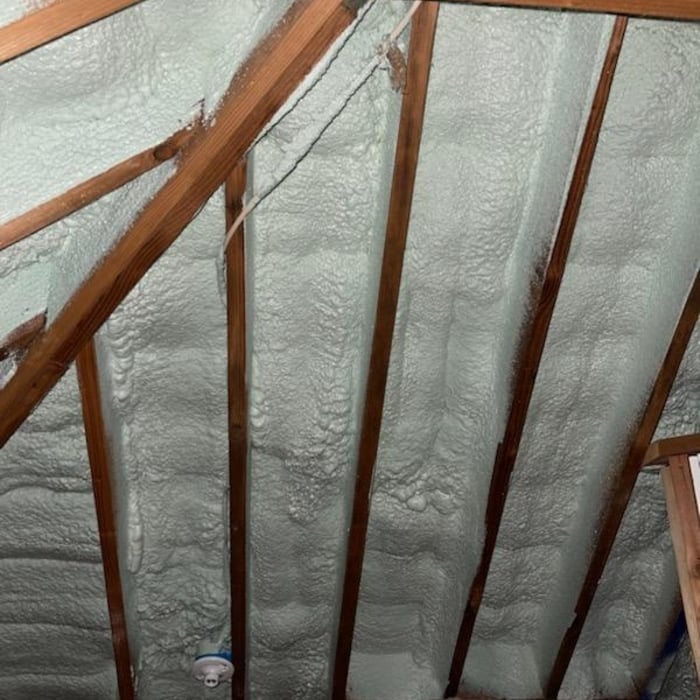
"My new-to-me home built in 1947 was 95 degrees in the walk-up attic in the summer! It made downstairs hot, too. I just couldn't stand it any more. If you put your hand on the ceiling, it was amazingly hot. A friend suggested just nailing some foam boards onto the underside of the roof, but I thought there has to be a better solution. I did research, saw the blown-in insulation, and had Josh Lowe out to give me a proposal. It ended up spray foam was the better solution. Since his company installs spray foam AND blown-in cellulose, I thought he was truly telling me the better solution, rather than just selling me on one thing. Glad I chose them for spray foam, and my home is easier to live in now!"
Bill Drummond, General Mgr. and Energy Consultant
AJ DeLaRosa
Eric Gibson, Energy Consultant
Lee Tracy, Energy Consultant
Sean Copas, Energy Consultant

+15

Recommended by94%of homeowners
Showing 1-10 of 40
Insulation questions, answered by experts

Structural insulated panels and rigid foam boards have the highest R-value of any insulation that contractors commonly use, with R-values reaching up to around 8.0. These types of insulation are best in extremely cold climates, but they’re generally preferred for new construction, as they can be challenging to retrofit. Blown-in and loose fill insulation provide the next best insulative value, provided the installation is done properly. It’s important to choose an insulation type that meets your needs based on climate, as maximizing R-value may not always be financially worthwhile if you live in a moderate climate.

Yes. Bathroom insulation requires a vapor barrier. As a matter of fact, bathrooms and kitchens are the two areas of the home that should always get a vapor barrier because of the excess moisture. If you don’t have a vapor barrier in place in these rooms, the moisture will build up and eventually lead to mold and bacteria, not to mention the destruction of the insulation.

R-30 insulation is better for higher thermal resistance, but whether it’s "better" depends on the application. R-30 is much thicker and suited for areas like attics or floors in cold climates, where more insulation is required. R-13, on the other hand, is thinner and works well for 2x4 walls or milder climates where less insulation is sufficient. Choosing between R-13 and R-30 depends on the area being insulated and the climate. For example, R-30 provides more insulation but may not fit everywhere in your home.

An insulated garage benefits from roof vents to ensure proper ventilation and prevent moisture buildup. Insulation can trap moisture in the garage, especially during temperature fluctuations, and roof vents play a crucial role in expelling the moisture in the air. Including roof vents promotes air circulation, preventing condensation and enhancing overall air quality.

It improves energy efficiency, reduces noise, enhances indoor comfort, and prevents drafts by filling wall cavities.

The Monmouth, OR homeowners’ guide to insulation services

From average costs to expert advice, get all the answers you need to get your job done.