
Get matched with top structural engineers in your area
Enter your zip and get matched with up to 5 pros
Need a pro for your structural engineering project in Manning, or?
Select your specific project to find the pro for you.
TRUSTED BY MANNING, or HOMEOWNERS
 4.6 Average homeowner rating
 70 Verified structural engineering services reviews
Verified Reviews for Structural Engineering pros in ,
*The Angi rating for Structural Engineering companies in , is a rating based on verified reviews from our community of homeowners who have used these pros to meet their Structural Engineering needs.
*The HomeAdvisor rating for Structural Engineering companies in , is a rating based on verified reviews from our community of homeowners who have used these pros to meet their Structural Engineering needs.
Last update on December 16, 2025






Find Structural engineers in Manning
No results for Structural engineer in
Try adjusting your search criteria.Structural Engineering questions, answered by experts
The Manning, or homeowners’ guide to structural engineering services
From average costs to expert advice, get all the answers you need to get your job done.

The cost of a structural engineer is easily justifiable given the value they bring to the table. Use this guide to see what hiring your professional will total in Baltimore, MD.
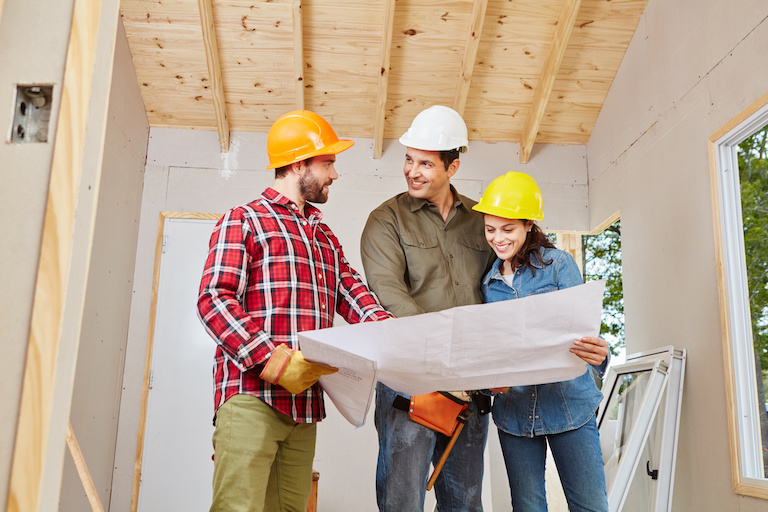
The cost of a structural engineer is easily justifiable given the value they bring to the table. Use this guide to see what hiring your professional will total in Kansas City, MO.
The cost of a structural engineer is easily justifiable given the value they bring to the table. Use this guide to see what hiring your professional will total.

It can be hard to choose the right pro for any job, but it matters. Learn how to hire a structural engineer who'll get the job done right from start to finish.

Do you have a load-bearing wall standing between you and your projects that you want to remove? Learn about the cost of removing a load-bearing wall.

A home doesn’t collapse unexpectedly. Learn the warning signs that a house will collapse, so you can protect your family and your home.
What do you need done? We’ll find top pros.
- 🌱 "Mow a small front yard"
- 🛠 "Fix a leaking pipe under the sink"
- 🏠 "Repair shingles on an asphalt roof"