

•
Find out the average beam installation cost in Kansas City, MO. Learn what you can expect to pay for structural supports and get your home renovation started.
Structural engineering costs depend on your project and location. Check with a local pro for your specific job.

Hiring a structural engineer in Kansas City costs 1% to 5% of your project costs, or $100 to $125 per hour, depending on how their rates are structured.
Budget $350 to $900 for an engineer’s structural report in Kansas City, based on your home’s size and your project’s scope.
Kansas City structural engineers charge between $1,000 and $10,000 for most types of drawings, though costs can reach $100,000 for commercial construction projects.
Many Kansas City homeowners hire a structural engineer to assess tornado damage, with storm damage inspections costing $500 to $1,000.
Average structural engineer costs in Kansas City range from $258 to $427, with most homeowners spending an average of $335. Kansas City’s cost of living is on par with the national average, and professional engineering costs are comparable to those in other parts of the U.S.
Given Kansas City’s location in “Tornado Alley” and the potential for tornado-related damage, hiring a structural engineer is necessary in many post-storm situations. Kansas City also has a growing population, driving many new residential construction projects to keep up with housing demand, keeping the city’s structural engineers gainfully employed by local homeowners.
The main factors impacting Kansas City homeowners’ structural engineering costs are project complexity, inspection type, and required drawings.
How much you’ll pay to hire a structural engineer in Kansas City, Missouri, depends on a variety of factors. Here’s a closer look at how your total breaks down.
When hiring a structural engineer in Kansas City, you will pay per project, per hour, or per square foot. If your engineer charges by the project, they may either charge a flat fee or a percentage of the entire renovation cost or the cost to build your house. The type of billing depends on the professional and the exact scope of work requested.
A structural engineer’s fee typically includes necessary manhours, on-site design consultation with an engineer or architect, evaluation of your property’s structural integrity, and a findings report. Their fee does not include trip charges, general contractor fees, permitting fees, or actual project costs such as materials, labor, or post-construction cleanup fees.
| Price Structure | Average Cost |
|---|---|
| Per project (fee) | $2,000–$8,500 |
| Per project (%) | 1%–5% |
| Per hour | $100–$125 |
| Per square foot | $0.50–$2 |
The cost of a structural engineer will also vary based on the complexity of your project. If you’re just building an add-on to your existing home, your engineer will have minimal work to do to ensure the addition is safe.
If you’re instead altering your roof structure, replacing standard beams with more supportive steel I-beams to open up your space, or removing load-bearing walls, your engineer will have more work to do and will charge more accordingly. Custom new construction projects are the most involved work for a structural engineer and will typically be the most expensive. Costs can also increase if you’re hiring an engineer for complex projects, such as assessing your foundation or structural integrity after a tornado or major storm.

When working with a structural engineer, an inspection is the first step—and may also be the only step, depending on why you’re hiring them. A structural engineer charges a flat fee for inspections, including checks during the sale of a home. The cost of a structural report averages $650, but prices can range from $350 to $900, depending on the size of your home and the complexity of your project.
Your structural engineer inspection cost can reach $1,300 or more if you’re having your professional investigate suspected foundation issues, including foundation cracks, bowing foundation walls, wavy rooflines, or sagging or squeaky floors.
Structural engineers in Kansas City are often hired to assess a home’s structural integrity after the area’s tornadoes. Structural damage inspections allow your engineer to recommend necessary structural repairs to restore your home’s safety.
These are the average costs associated with common types of structural engineering inspections.
| Type of Inspection | Average Cost |
|---|---|
| Beams/joists/trusses | $350–$600 |
| Buying or selling a home | $450–$900 |
| Foundation damage | $500–$1,400+ |
| Home remodel | $500–$1,500+ |
| Load-bearing walls | $300–$1,000+ |
| New construction | $400–$600 |
| Storm damage | $500–$1,000+ |
Engineer plans are the drawings that detail your construction project, and in the case of new construction, they’re the plans that an architect and builder will work off of to construct your home safely.
The engineer plans themselves, and the process to produce them, will cost you anywhere from $1,000 to $4,000, depending on the scope of the project. The cost can be much higher for more complex, large-scale projects, sometimes reaching 45% of the engineering budget.
It’s a good idea to budget an additional $300 to $700 for revisions in case you want to make changes after the first round of drafting. Additional revisions after that point will cost about the same amount.
Here are average prices for standard drawings that Kansas City homeowners might request from a structural engineer.
| Drawing Type | Average Cost |
|---|---|
| Commercial construction | $5,000–$100,000 |
| Home add-on or bump-out | $1,000–$4,000 |
| Major home renovation | $1,500–$6,000 |
| New construction | $2,000–$10,000 |
| Outbuilding construction | $1,000–$5,000 |
Kansas City homeowners should consider the additional costs associated with hiring a structural engineer. Here’s a look at some other expenses that can impact your project.
In most cases, a professional engineer (PE) stamp is bundled into the total project cost, which includes drawings, designs, calculations, and permit-ready plans. However, if you have existing plans from an architect or designer and just need a PE stamp from a licensed structural engineer for obtaining project permits, expect to pay between $300 and $600 for them to review your plans.
How much you’ll pay depends on the level of review and calculations required, whether any revisions or updates are needed, your engineer’s rate, and your project’s complexity. The more involved the engineer needs to be, the higher the cost for their stamp.
You don’t need a permit to hire a structural engineer, but you’ll need one to carry out your construction plans after their work is complete. In Kansas City, permit fees are calculated based on the estimated valuation of your project.
Kansas City building permits cost $52 for the first $1,000 in construction costs, with fees increasing as your project’s valuation climbs. There is also a plan-review fee, which is 50% of your total permit cost. Optional permitting costs include a fast-track permit for $80 and a re-review fee of $172.
If you’re obtaining permits for a commercial construction project, fees may reach several thousand dollars, depending on your scope.
Sales tax in Kansas City is 9.725%, but it’s important to note that this tax doesn’t apply to professional services, like hiring a structural engineer. However, if your engineer is providing any building materials, you’ll be charged sales tax for that portion of your project. It’s wise to ask your structural engineer if they’ll invoice you strictly for professional services so that you can avoid surprises on your final bill.
Hiring a structural engineer doesn’t have a specific return on investment (ROI) itself—instead, your returns will depend on the type of project you’re completing after they’ve completed their services. For example, if you hire a structural engineer in Kansas City because you’re building a home addition, you may see an ROI of 20% to 50% on your project. If you’re hiring a structural engineer for a pre-purchase home inspection or for post-storm soil inspection, your ROI will be less significant.
Home is the most important place on earth, which is why Angi has helped more than 150 million homeowners transform their houses into homes they adore. To help homeowners with their next project, Angi provides readers with the most accurate cost data and upholds strict editorial standards. We survey real Angi customers about their project costs to develop the pricing data you see, so you can make the best decisions for you and your home. We pair this data with research from reputable sources, including the U.S. Bureau of Labor Statistics, academic journals, market studies, and interviews with industry experts—all to ensure our prices reflect real-world projects.
Want to help us improve our cost data? Send us a recent project quote to [email protected]. Quotes and personal information will not be shared publicly.
David Possin from PROven came to discuss my options on repairing or rebuilding my detached garage. First off, he was right on time for the appointment. It was a very thorough inspection and discussion of all the different options and how much each portion of the job would cost. He even gave...
 PROven Building Solutions
Very happy, they were great to work with. At initial appointment to give quote, rep sent pictures and communicated with project engineer. No surprises on final invoice. I had walk through with a crew supervisor who explained everything and left card to call with any other questions or...
 Smart Foundation Repair
Balboa was quick efficient, professional thorough, and neat. There were some sheet metal repairs that were needed on the masonry parapets of my 115-year-old house that were quite challenging to repair. Through persistence Balboa found a company that would custom bend the sheet metal to make...
 Balboa Restoration & Renovation, LLC
As a structural engineer, I was pleased to find them coming to the same conclusion about the cause and fix of my settlement issue. Not having any relevant experience in residential home work, I felt the need to bring in an experienced residential foundation contractor, and they confirmed what...
 Pier Genius
We recently bought a home with a detached garage that needed significant foundation repair. We were told by several larger, well known contractors that they would not do the job due to the amount of work needed and concern that the structure would fall while lifted.
 Greggs foundation repair
I cannot speak for the company as a whole (they are headquartered in St Louis), and I have yet to receive their official report (which is to come from their home office). But the engineer himself clearly knew his subject matter, was highly observant and even addressed my drainage issues...
 DOTec Corp.
Dan Wilson and his crew are absolutely fantastic! This was a tough job that not just anyone could do. They took on the task of ripping out the existing old crumbling tandem garage and suspended 34 ft. front porch of my 1920's bungalow. They then rebuilt the entire structure, replacing the...
 Wilson Concrete & Construction LLC
This experience for me was very mixed. There were quality issues in the early stages, some of which were never resolved to my satisfaction. Structural as well as aesthetic. There were no drawings of the pergola to review beforehand although I was told there would be. I ended up designing my...
 All Weather Decks
Communication: I specifically requested to have the inspection with Nick, but another inspector, Kevin came. He came early and did the outside inspection in careful way. <br /> Process: <br /> Kevin inspected inside and outside. There are to major concerns for me: <br /> 1. We already...
 InspectorNick.com
It took a few days for Dennis to return my call, but we were scheduled within a week. Dennis is really fantastic at what he does. This is the second time we've had him review our property. The last time was in 2009 and we had still had his detailed report and measurements to compare...
From average costs to expert advice, get all the answers you need to get your job done.
Find out the average beam installation cost in Kansas City, MO. Learn what you can expect to pay for structural supports and get your home renovation started.
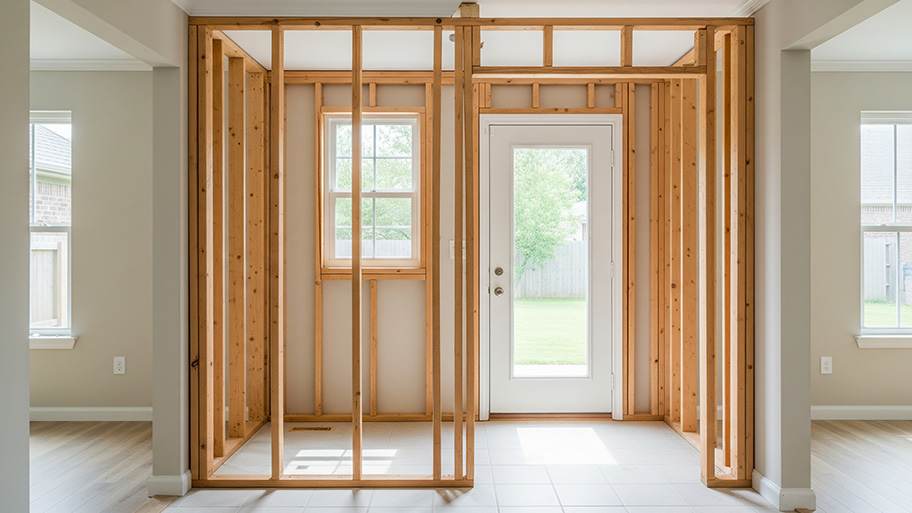
Sometimes, all your home needs is a new wall to make a room or provide an updated function to an existing space. Learn how much it costs to install a new wall in Kansas City, MO.
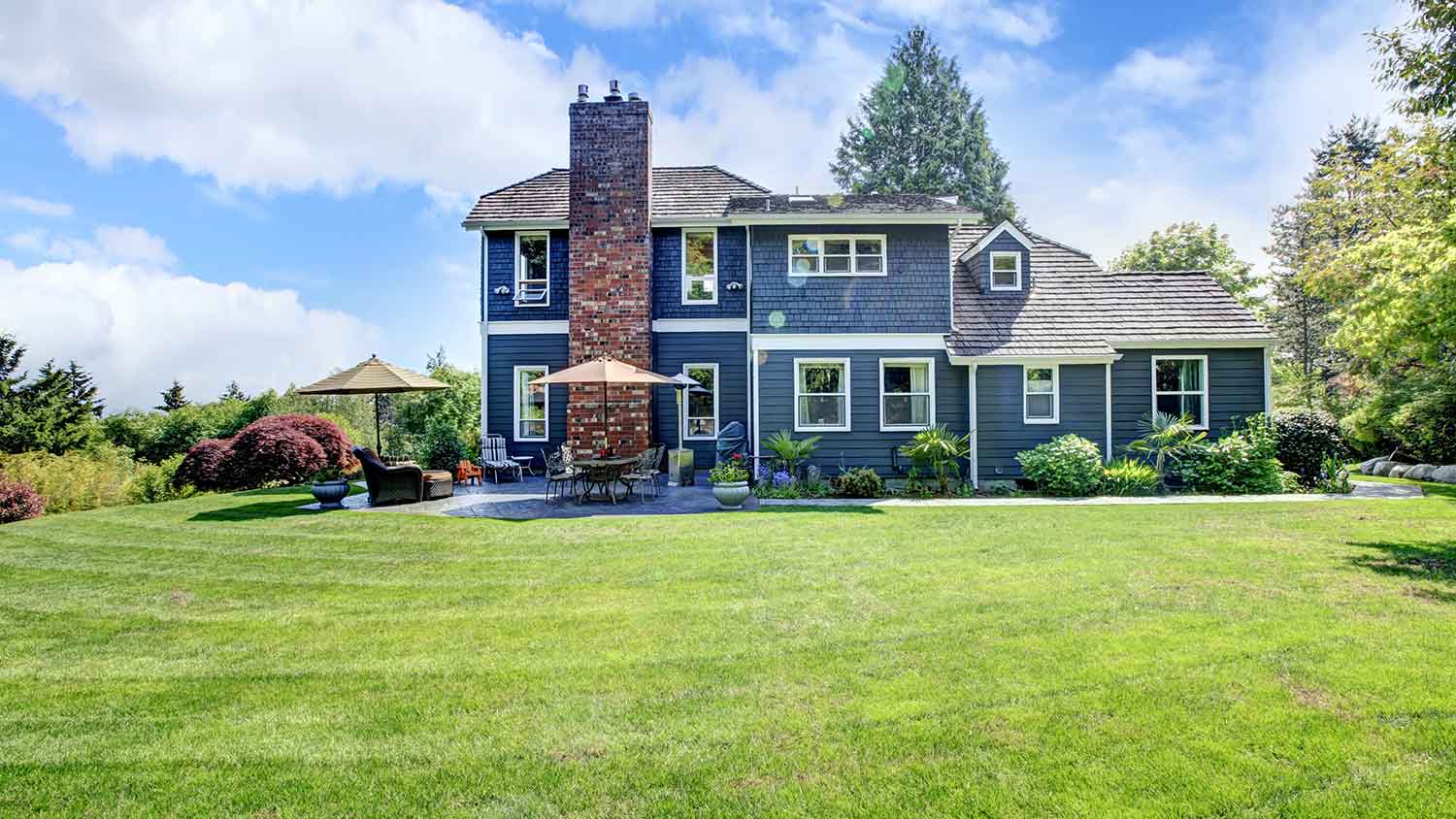
Just bought a plot of land and need to get it build-ready? Learn how much it costs to clear land in Kansas City, MO, to gauge your initial budget before you break ground.
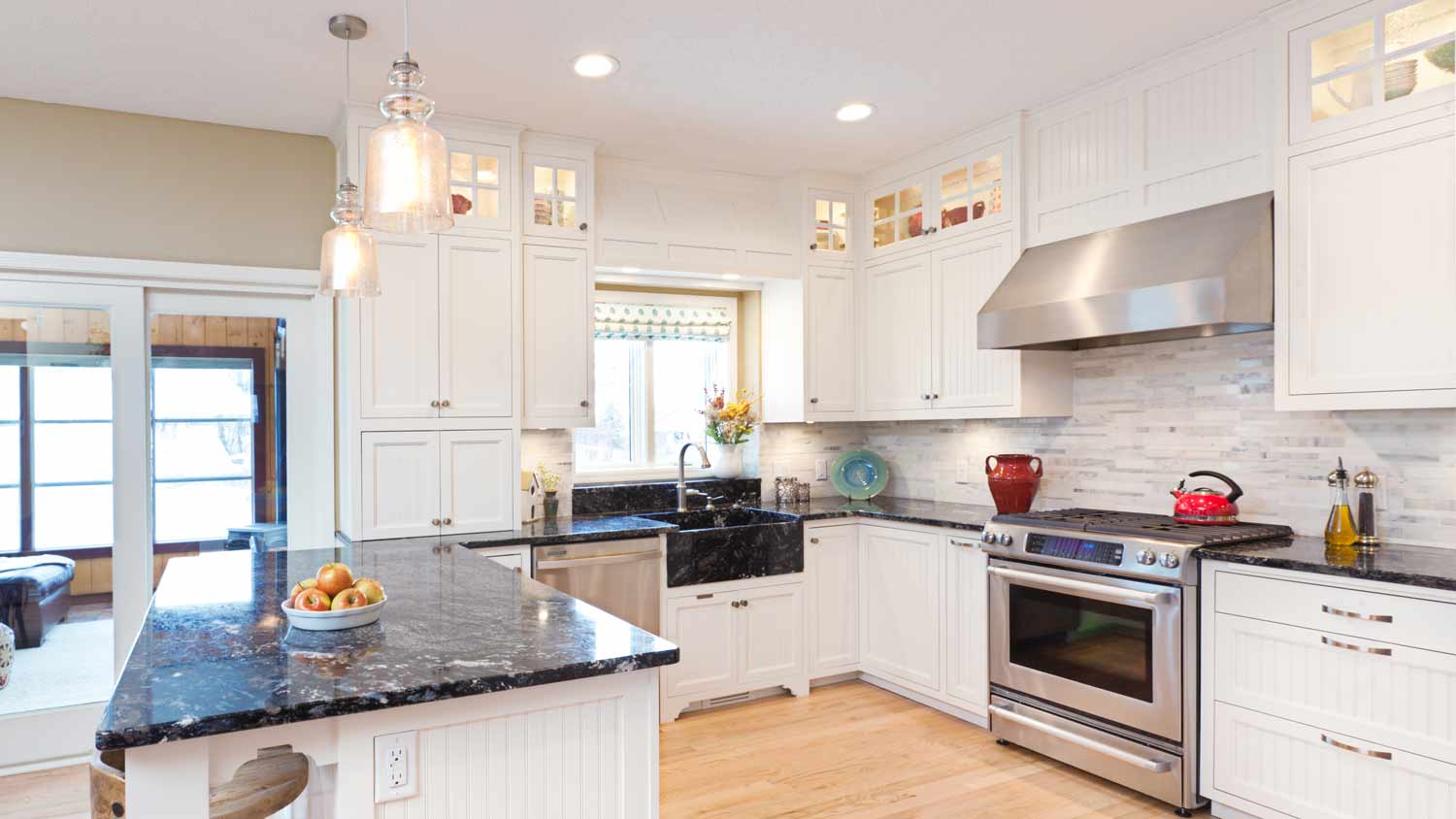
Spotting deep foundation cracks or sagging floors? Learn about structural engineering costs, serious warning signs, and how to hire the right local pro.

Identify potentially serious problems with your foundation with an inspection from a structural engineer.