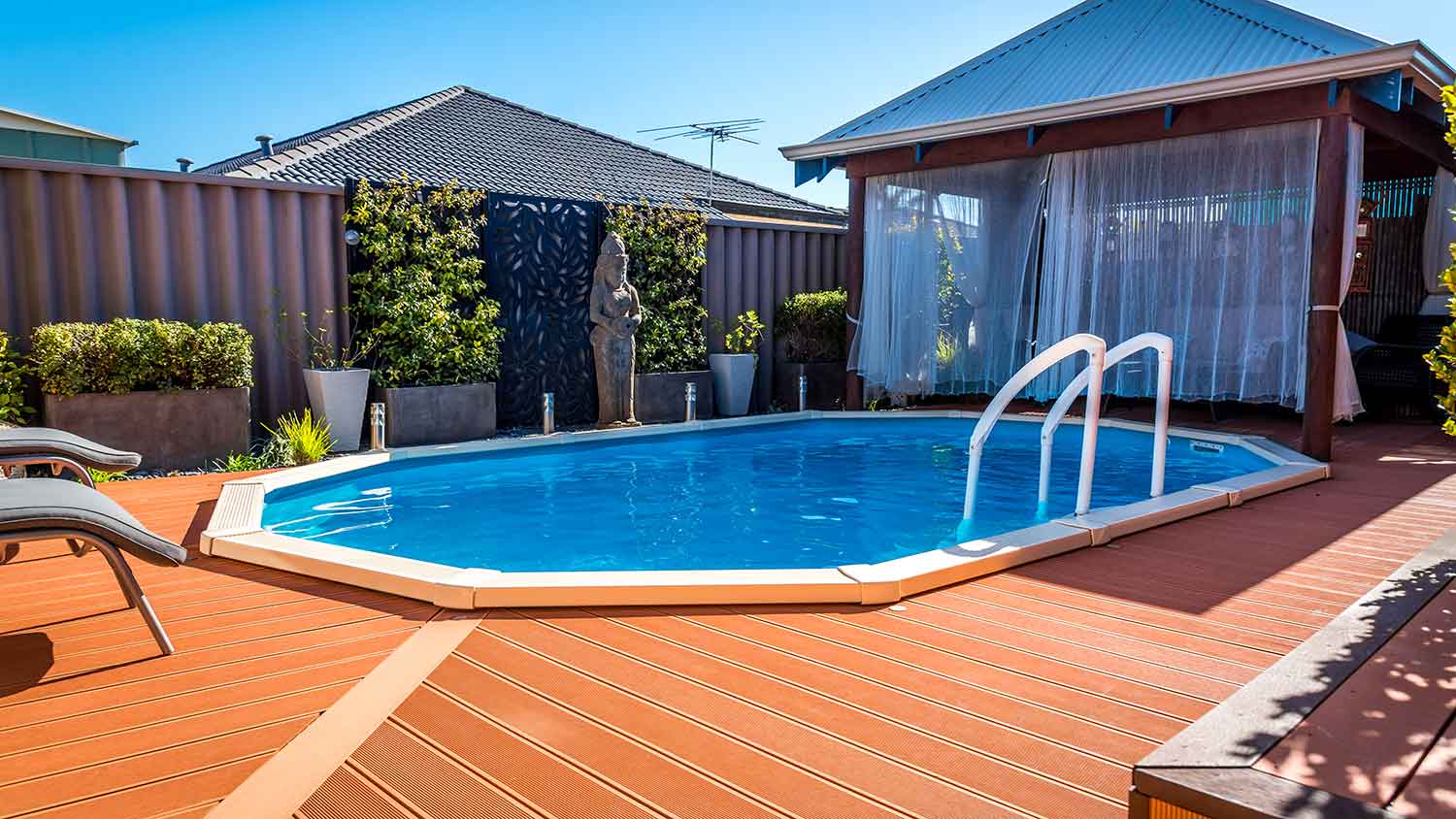





Top-rated above ground pool installation pros.

Get matched with top above ground pool installation pros in Drain, OR

Enter your zip and get matched with up to 5 pros

Need a pro for your above ground pool installation project in Drain, OR?

Select your specific project to find the pro for you.

Find Above ground pool installation pros in Drain

Install Above Ground Pools questions, answered by experts

Generally, you do not need to drain your pool to convert it to a saltwater system. The main exception is if you have used an antibacterial agent containing polyhexamethylene biguanide to sanitize your pool, as these sanitation products do not mix well with saltwater systems. If this is the case, you will need to start fresh. You can either drain the pool or treat the existing water with a high dose of chlorine to remove the antibacterial agent. If you choose the chlorine treatment, wait several days to allow the chlorine to work before proceeding with the conversion. If you are unsure whether this applies to your pool, consult a pool technician.

Finding a reputable inground pool installation company starts with an online search and assessing a company’s positive and negative reviews. You can also check the Better Business Bureau’s reports for companies you’re considering to see if they have numerous customer complaints for poor service. One of the best things you can do to find a good company is ask for references and then call those past customers to see how they felt during the installation process and how their pool has held up. Finally, you can get estimates from the remaining companies to compare.

Yes, it's normal for pool pumps to make noises—like a humming or gentle rumbling sound. But if your pool pump is making loud noises, then this could indicate an underlying problem. Sounds to keep an ear out for include grinding, whining, screeching, and banging noises. Also, pay attention to any new or louder sounds emanating from your pump.

The only pools that don’t need grounding are those without electrical components, such as small inflatable pools. Any outlet around a pool should be a GFCI to cut the current if the outlet gets too wet. At the very least, the pool’s electrical should be plugged into a GFCI outlet, if not a dedicated GFCI breaker. Check local guidelines and requirements to ensure you’re following all safety regulations. 

Whether your homeowners insurance covers a pool leak depends on your specific policy, so it's essential to check your policy documents before taking on any repairs. Typically, leaks caused by a covered event, such as a fallen tree branch or a fire, may be covered. However, leaks resulting from general wear and tear or poor maintenance are usually not. It is also a good practice to review your homeowners insurance policy before installing a pool to fully understand your personal liability and coverage.

The Drain, OR homeowners’ guide to above ground pool installation services

From average costs to expert advice, get all the answers you need to get your job done.