






Top-rated above ground pool installation pros.

Get matched with top above ground pool installation pros in Yoncalla, OR

Enter your zip and get matched with up to 5 pros

Need a pro for your above ground pool installation project in Yoncalla, OR?

Select your specific project to find the pro for you.

Find Above ground pool installation pros in Yoncalla

Install Above Ground Pools questions, answered by experts

Unless you have an alternative to chlorine in your pool to prevent bacteria and viruses from taking up residence in your water, it’s not safe to swim in a pool without enough chlorine. According to the Centers for Disease Control and Prevention (CDC), swimming in a pool with insufficient chlorine could lead to skin and eye irritation, ear issues, respiratory distress, such as coughing and congestion, and various other health issues. Always make sure your chlorine levels are healthy and stable before swimming for proper pool safety.

It takes more electricity to run one, so it’s not necessarily cheaper to run a salt water pool. However, the cost difference is relatively minor; it may cost an extra $50 over the course of a year. However, salt costs a lot less than chlorine sanitizers. This lowers the overall maintenance costs for a salt water pool compared to chlorine pools.

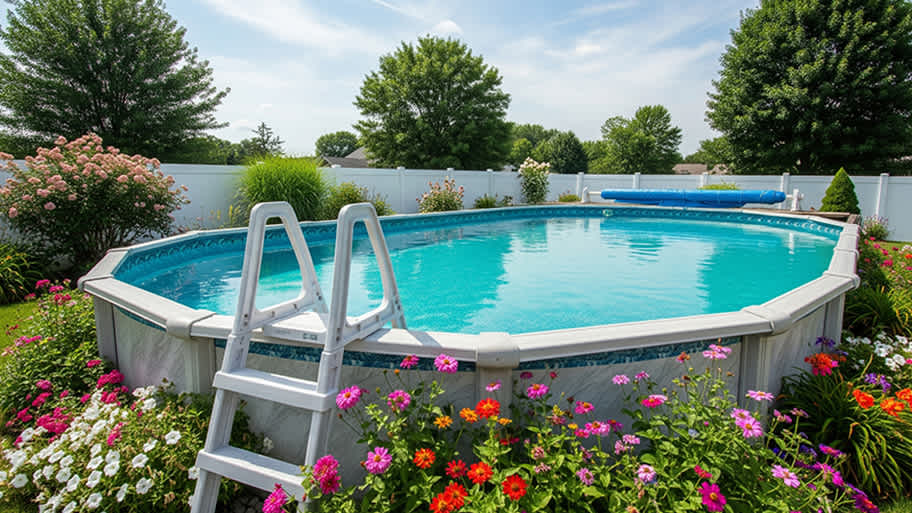
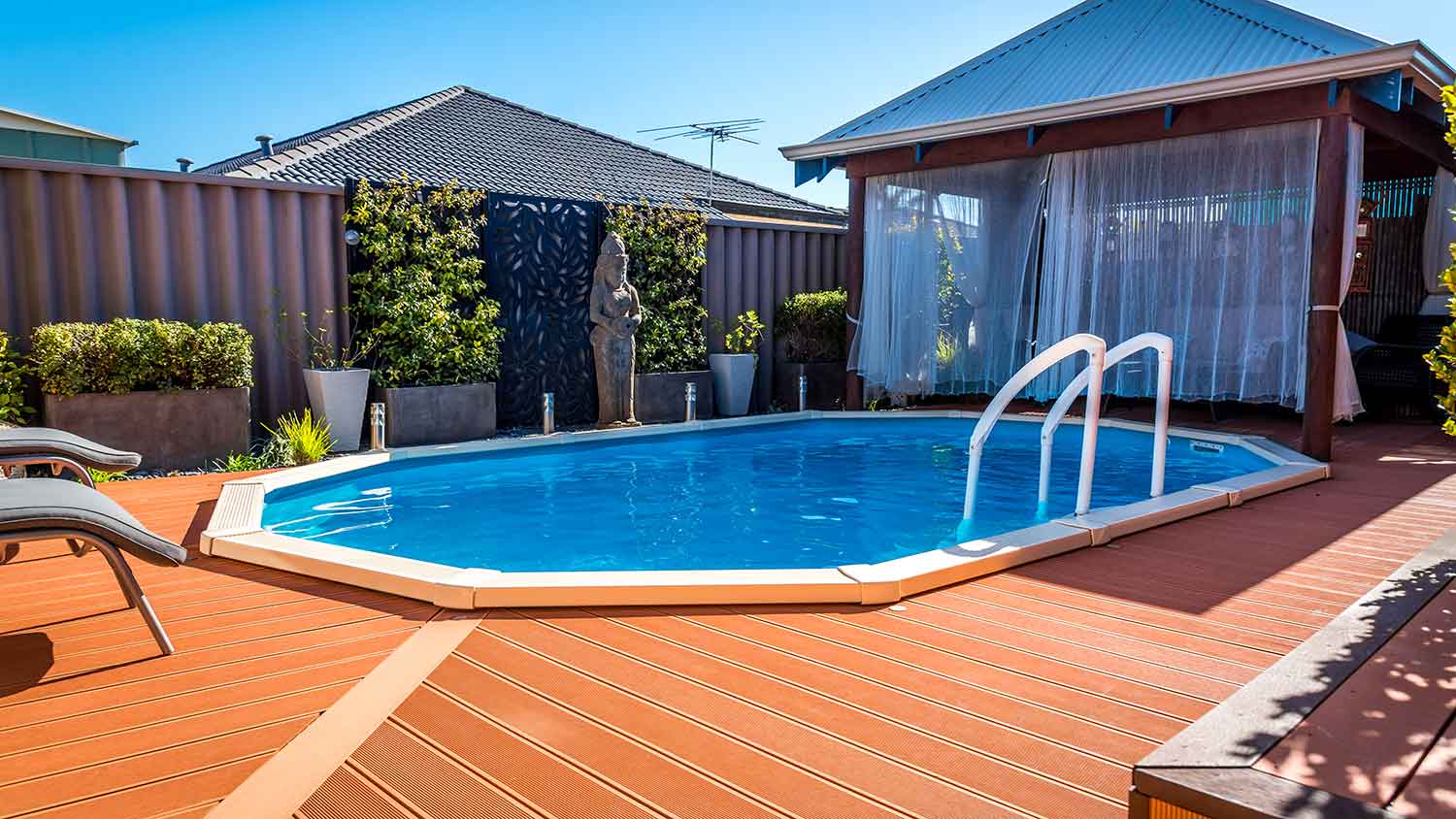
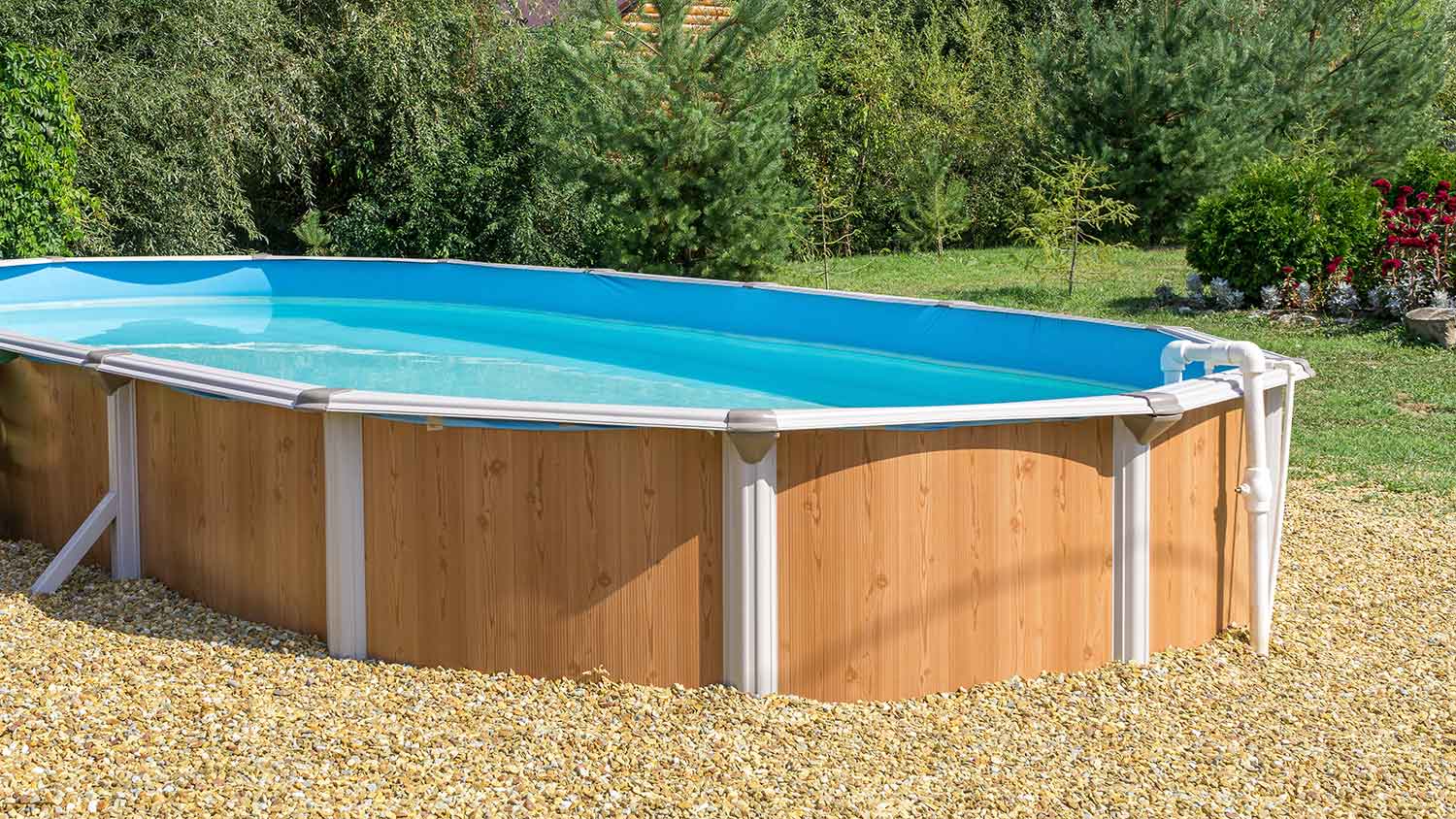
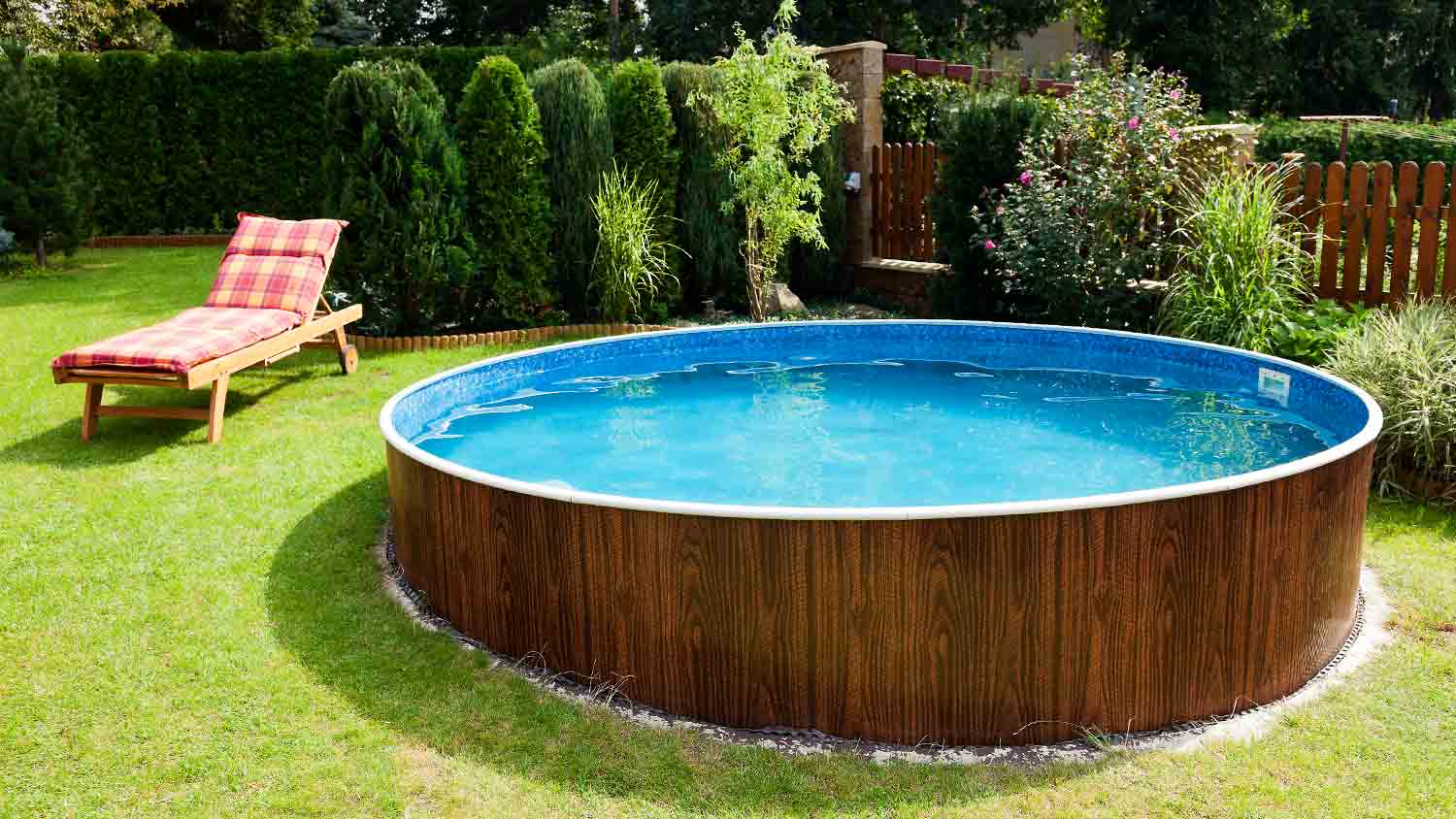
Small backyards are not a reason to write off fun upgrades like an above ground pool. You can find both soft and hard-sided above ground pools as small as 8 feet in diameter as well as 9-by-18-feet rectangles or 10-by-16-feet ovals. You will need at least 2 to 3 feet around the outside of your pool for additional support and for placing pool equipment, but a professional pool installer can help you find a model that's right for your tiny outdoor space.

Completely refreshing the water in an aboveground pool every five to seven years helps keep it free of bacteria and algae. Emptying the pool also allows you to clean, repair, or replace the pool liner. Schedule your water change when the weather is mild, as intense heat or cold can damage the pool liner when the pool is empty.

Yes, it’s possible to put too much salt in your saltwater pool, and doing so can cause a number of problems, including corroding metal parts and causing the chlorinator to stop working correctly. In general, slightly elevated salt levels won’t cause serious problems beyond salty-tasting water, but you should dilute the water in a pool with extremely high salt levels to prevent damage to its components.

The Yoncalla, OR homeowners’ guide to above ground pool installation services

From average costs to expert advice, get all the answers you need to get your job done.