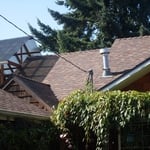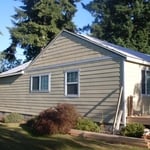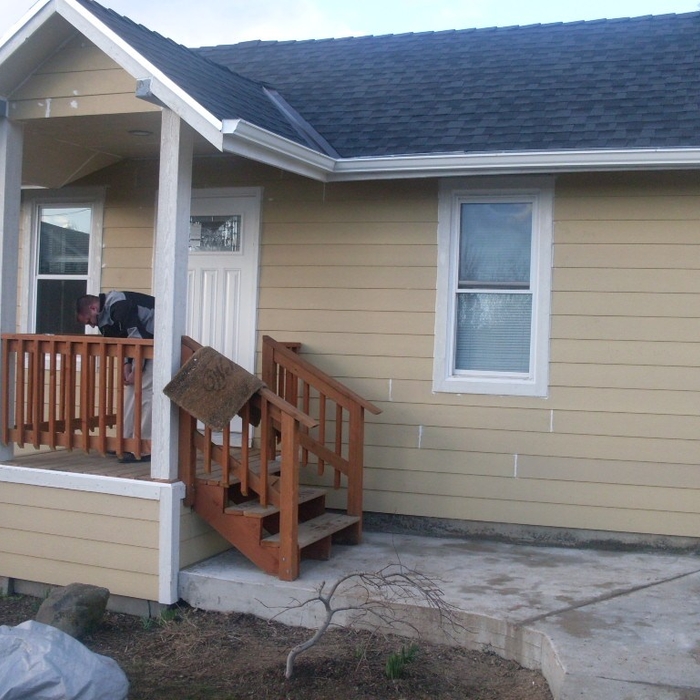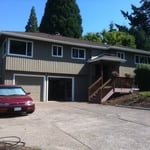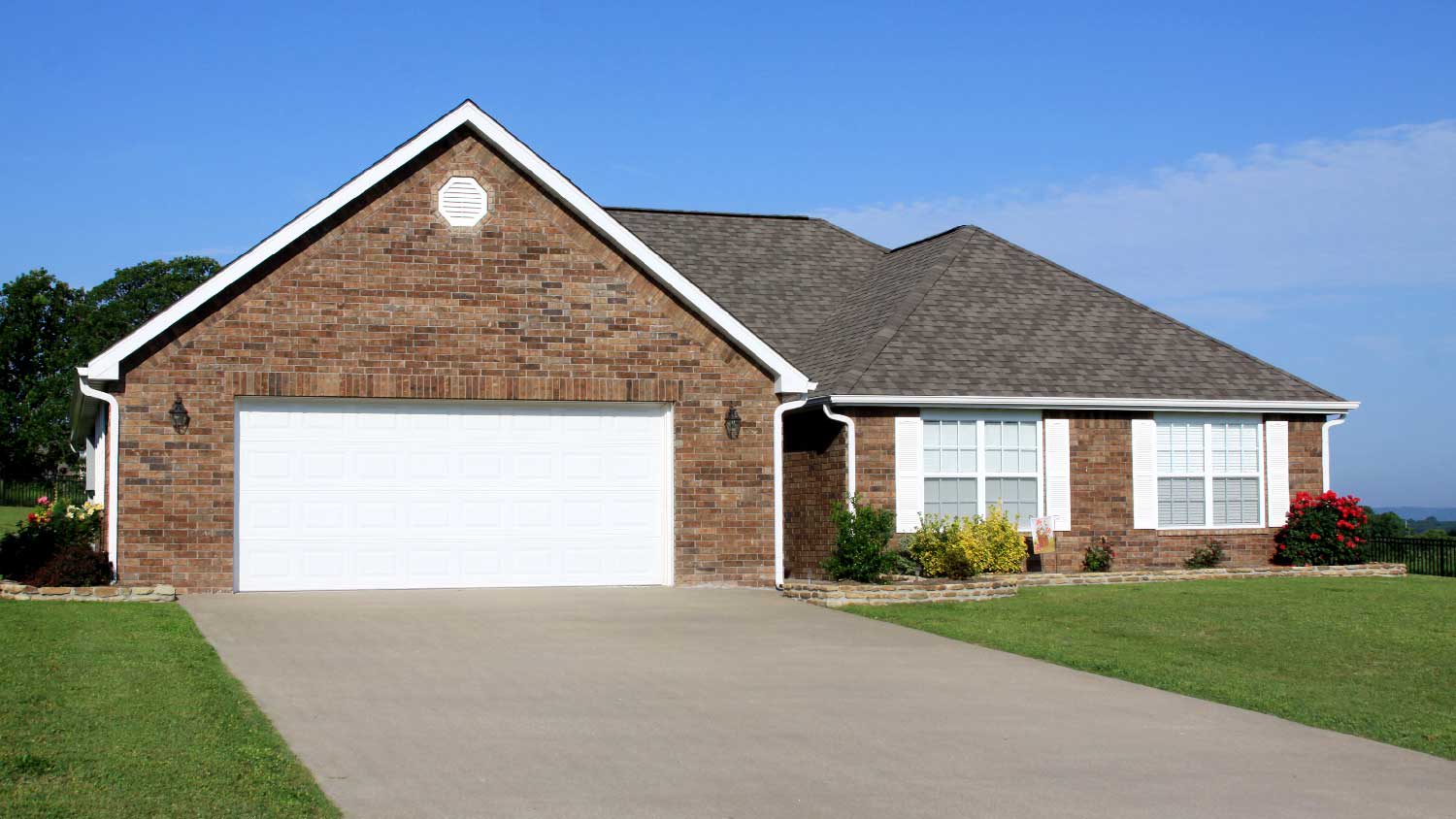
"Replaced my roof. I have a large roof because I have a one story home with over 2100 square feet (not including the two car garage). I took advantage of the Big Deal and because of that I was able to get a roof with a little better quality roof with 50 year warranty for the same price as 30 year warranty roofs. I also had them replace three sky lights. I gave them a "C" for responsiveness because I had to email a couple of times to nail down a date for them to complete. I'm still waiting for one of my sky lights and I haven't heard from him for a couple of weeks.
|
|Thank you for the big deal because although I have had a little frustration it is well worth it. They completed the roof in 2 days and that is saying something during the winter and a large roof. They cleaned up really well and I have already given them a reference to my Mom which I wouldn't do if I didn't think they were fair and didn't do a good job."
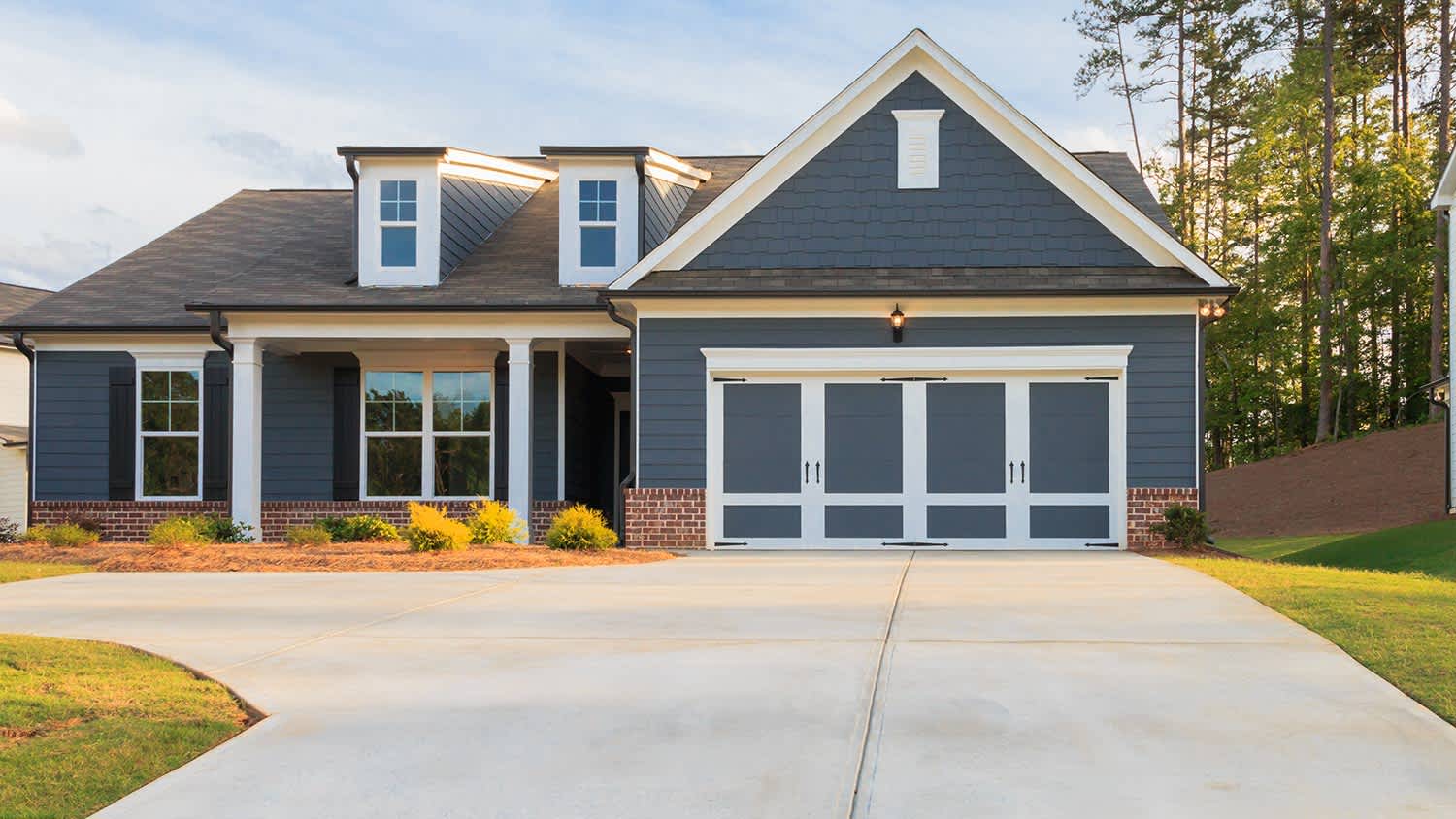
"They did a real good job. They were real professional. We can now open the garage door from the inside of the house and now it is so smooth that we have to check to see if we hit the button to open it or close it. Before we used to know when it was opening or closing because it used to make a noise. It helps when you move to a city where you are new. "
Concrete Mudjacking questions, answered by experts
Yes, expanding foam (also known as polyurethane foam) can lift concrete. This approach, called polyjacking, involves injecting the foam rather than concrete slurry to fill voids and raise the concrete slab back into place. It’s often faster and requires smaller drill holes than traditional mudjacking, though it may come at a higher cost. Some contractors also prefer polyjacking over mudjacking for more damaged and delicate slabs.
There is no real alternative to underpinning, although mudjacking and polyjacking are other repair methods that can add support from underneath your foundation. Rather than placing supportive piers under your structure, these involve pumping a material under your slab to lift a sunken section back into its original position. Polyjacking, in particular, is sometimes a suitable solution for stabilization issues under slab foundations, but underpinning is often accepted as the best and most permanent solution.
The timeframe is generally a few hours, allowing for immediate use post-hydration, ensuring minimal disruption to surrounding activities.
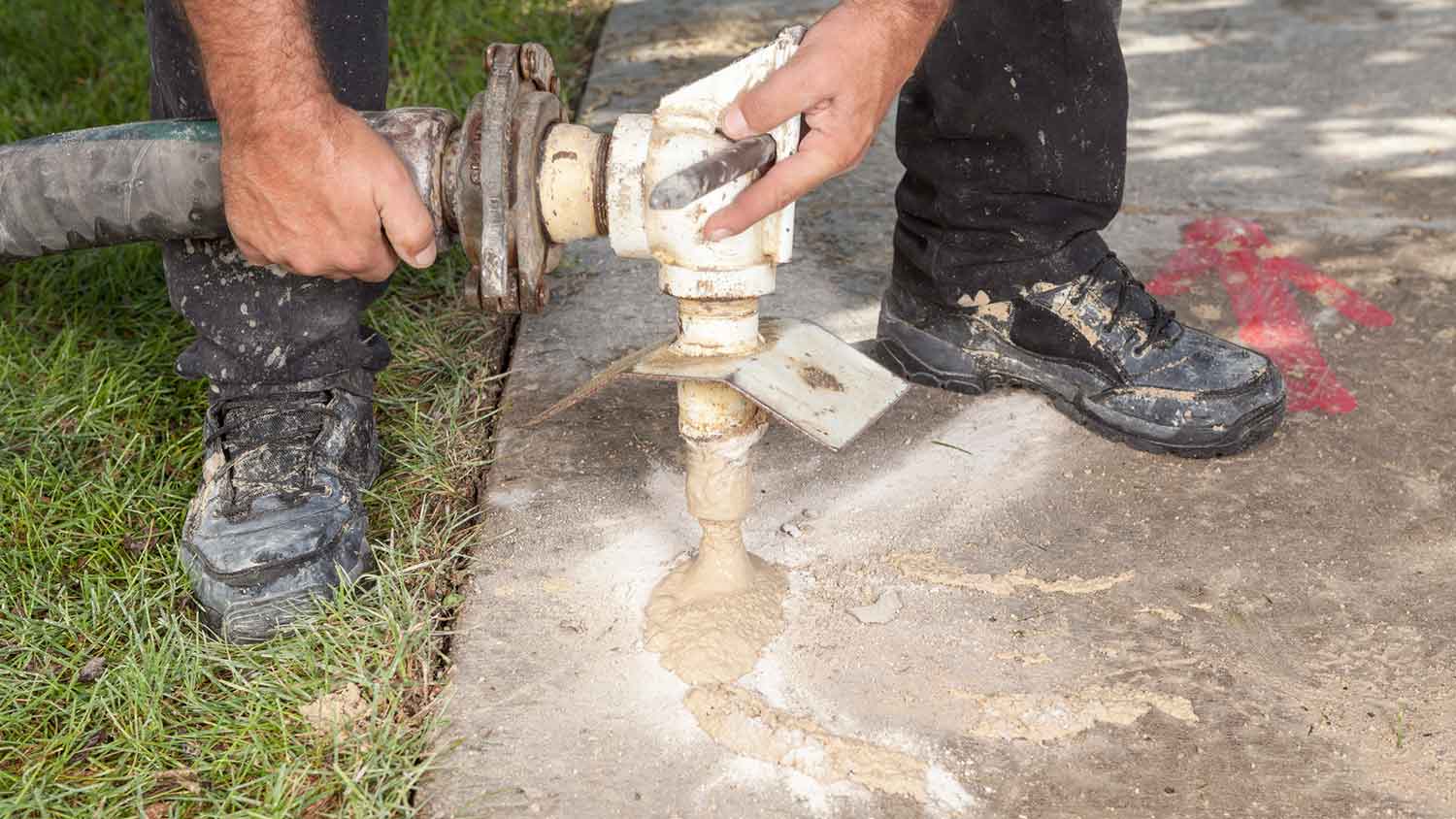
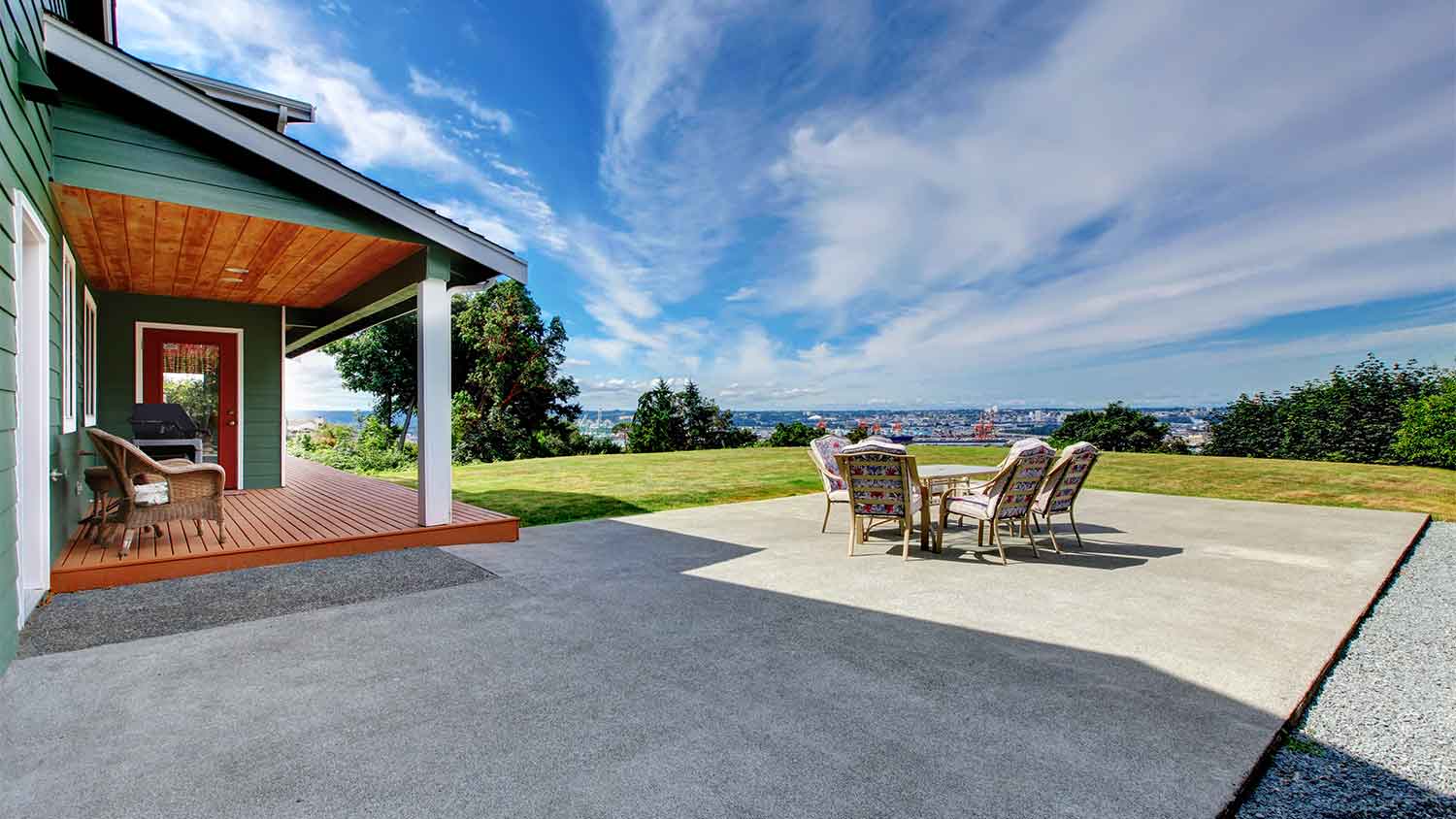
Mudjacking is usually reserved for light-duty slabs, like patios, driveways, and sidewalks. However, it can be an effective way to lift garage slabs and concrete around the perimeter of the home, which could harm your foundation if it’s not done properly. The risk of damage is why having a professional mudjacking company carry out the work is important. This type of slab or foundation repair is relatively inexpensive, especially if you consider that a DIY job requires that you pay to rent the necessary equipment.
Mudjacking can be an expensive foundation repair process, but in many cases, it’s well worth the investment. This is especially true if you’re lifting a portion of sunken foundation slab back into place. In that case, mudjacking can help avoid major structural damage and even home collapse by restoring the integrity of your structure with minimally invasive procedures. Mudjacking a concrete patio, walkway, or sidewalk can be worthwhile because it removes tripping hazards and makes your outdoor area more aesthetically appealing.
The Condon, OR homeowners’ guide to concrete mudjacking services
From average costs to expert advice, get all the answers you need to get your job done.
DIY mudjacking is an advanced task, but learning how to raise a concrete slab is great to know for many scenarios. Let's take a look at how to DIY mudjack.