

Top-rated excavation pros.

Get matched with top excavation pros in Wilburton, OK

Enter your zip and get matched with up to 5 pros

Need a pro for your excavation project in Wilburton, OK?

Select your specific project to find the pro for you.

Find Excavation pros in Wilburton

Avatar for Owens Excavation & Dirtwork Corp
Owens Excavation & Dirtwork Corp
5.0(
3
)
Landscape - Minor Grading or ReslopingExcavation - Major Grading or Resloping

Serving Wilburton, OK and surrounding areas

Approved

In business since 2021

Offers commercial services

Customers say: Quick response

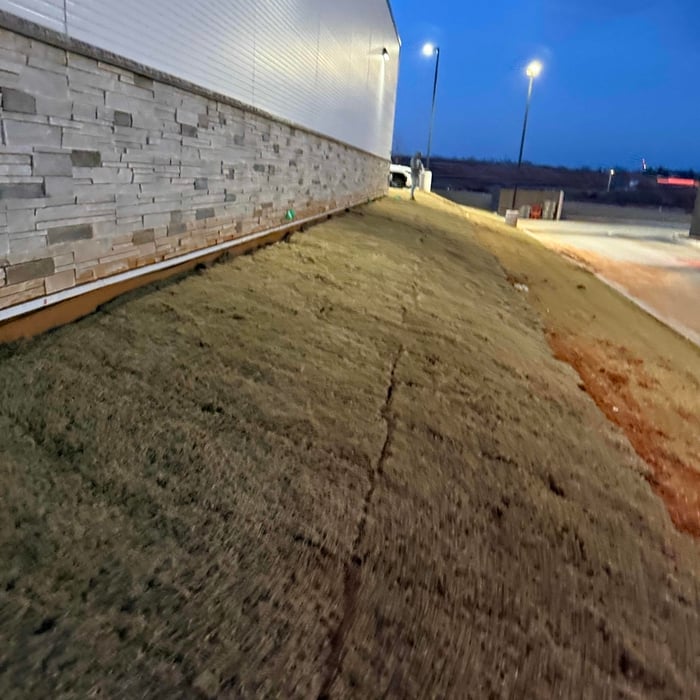
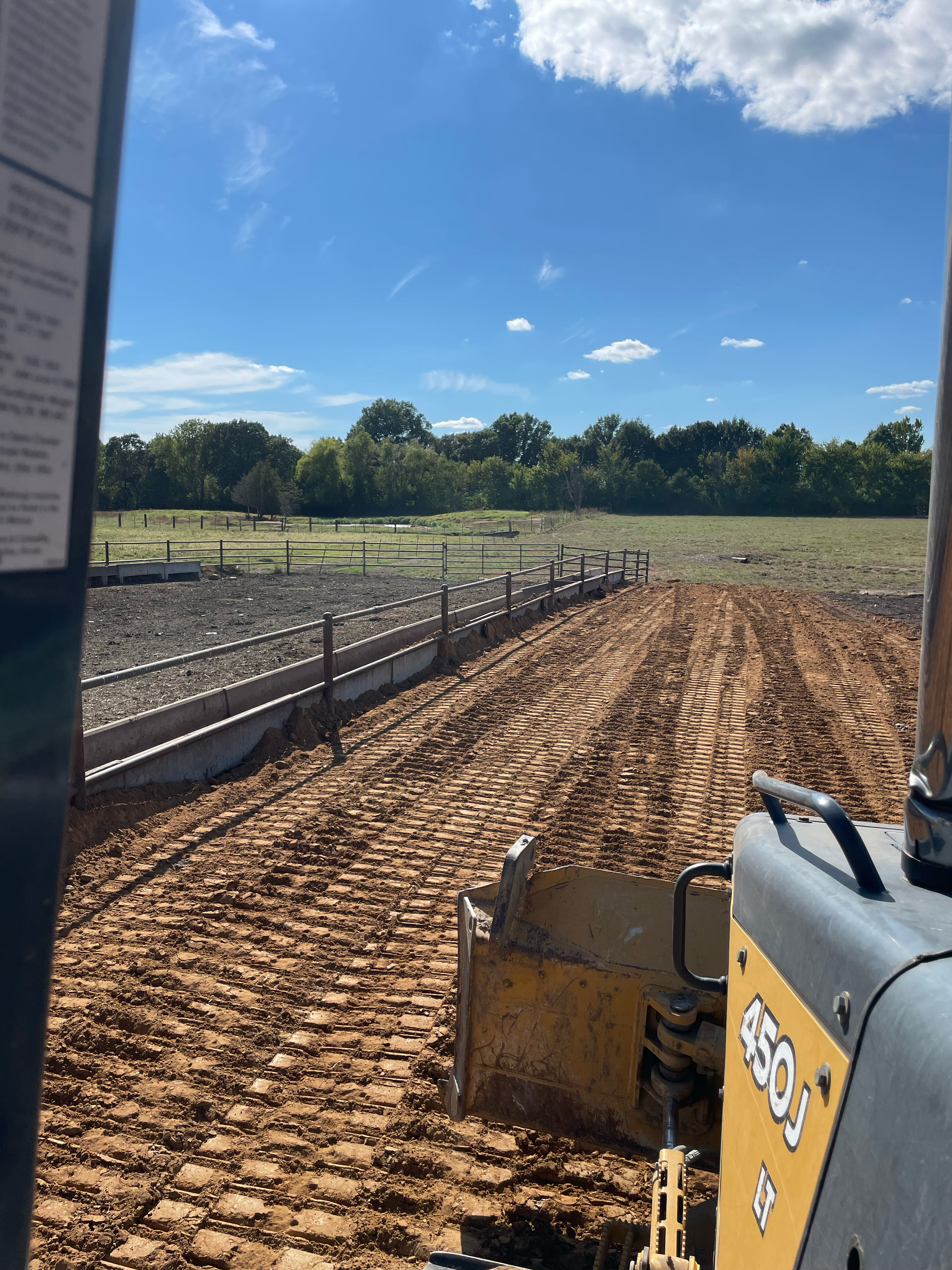
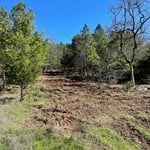
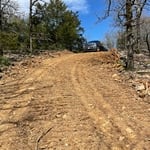
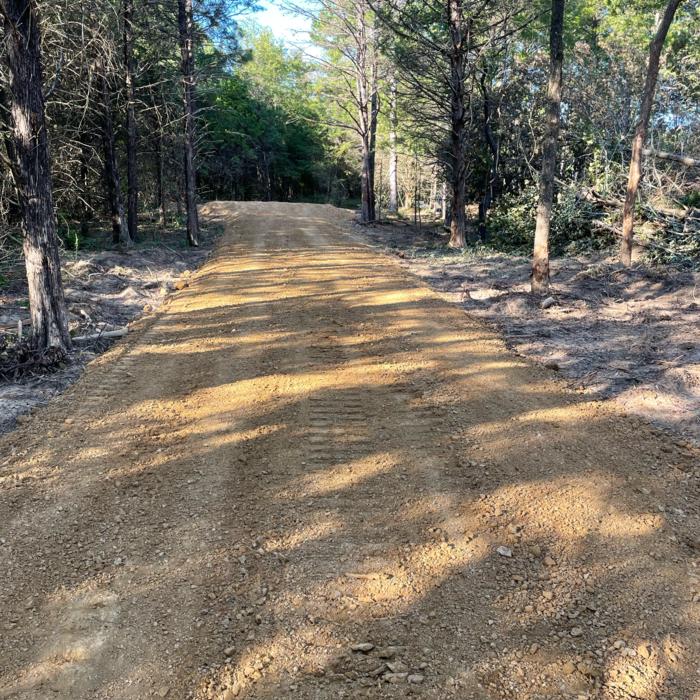
"Great company to work with.... I had several projects for the past couple years including: 2 ponds dug - no leaks & holding solid, built roads, had coverts installed, clearing of land and trenching work for electrical. I would highly recommend, they've done a wonderful job every single time. Extremely professional to make sure it's done right and that you're happy with services provided. I would work with them again on any project needing large requirement in the future."
Response time1 day
5 neighbors recently requested a quote
Recommended by100%of homeowners
Showing 1-10 of 42
Excavating questions, answered by experts

Excavation is priced in cubic yards, so you’ll need to find the volume of the area in order to calculate costs. Multiply the length, width, and proposed depth of your excavation site, then convert it into yards to get the volume. Multiply this figure by the price per cubic yard.

Most homeowners can measure by hand to get a rough estimate, even if it’s tedious. You may want to pull out a tape measure or use a string to help mark the area.
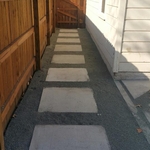
Because decomposed granite is a durable material, a crushed rock or gravel base is optional as long as the DG is properly installed and compacted. However, installing a base is a good idea because it will ensure proper drainage and stability and act as a weed suppressant (although you may still occasionally have to pull weeds). Installing an adequate base can also increase the durability of driveways and walkways. If you forego the paver base or gravel underneath, line the area with landscaping fabric to avoid weeds.

Water lines are buried at various depths, depending on the type of line. For example, most sprinkler lines are buried between four and 12 inches underground. On the other hand, water mains usually sit between one and 3 feet below ground. However, they can go even deeper in cold climates to prevent freezing.

Septic drain lines (or leach lines) are typically buried between 18 and 36 inches underground, and should be at least 6 inches below the surface. These pipes are perforated and surrounded by filtering materials like sand or gravel. Burying the lines at this depth helps minimize odors and allows bacteria and other biological processes in the soil to effectively treat the wastewater. Burying lines too close to the surface can cause issues unless the soil is very compact and stable.

Landscape edging is more DIYable than trenching. You can DIY your own digging projects, but proceed carefully and only with proper knowledge of the equipment and appropriate safety measures in place. Keep in mind the project's scope and estimate how long it will take you to do it on your own. While you can certainly save money by DIYing home improvement projects, you can’t exactly hide an unfinished—or worse, ruined— landscaping job from the neighbors. It’s always safer to call an excavation pro near you to get an estimate.

The Wilburton, OK homeowners’ guide to excavation services

From average costs to expert advice, get all the answers you need to get your job done.