


Top-rated drywall pros.

Get matched with top drywall pros in Youngstown, OH

Enter your zip and get matched with up to 5 pros

Need a pro for your drywall service project in Youngstown, OH?

Select your specific project to find the pro for you.

TRUSTED BY YOUNGSTOWN, OH HOMEOWNERS

  • Average homeowner rating star icon4.2
    Average homeowner rating
  • Verified reviews icon20
    Verified drywall services reviews

Find Drywall pros in Youngstown

Snipes Construction
4.4(
55
)
Drywall - RepairDrywall - Repair - For Business

Serving Youngstown, OH and surrounding areas

Approved

In business since 2013

Free estimates

Small jobs welcome

"Josh did a great job with our drywall in our attic space. He was very professional, flexible with work days (I was pregnant at the time and had appointments during the day and other things come up) and cleaned up each day when he was done. We loved working with him and would have done it again had we not had to sell our house and move out of state. Definitely recommend him for any type of job you have!!!"
Response time1 day
7 neighbors recently requested a quote
Recommended by79%of homeowners
Avatar for ORiley
ORiley
4.8(
17
)
Drywall - Install

Serving Youngstown, OH and surrounding areas

Approved

In business since 2020

Free estimates

Emergency services offered

"This company was contracted to paint the entire exterior of our house. There are some things that became obvious as the work was being performed. Whether you think they are important or not, I thought they are worth mentioning. - On time, every day. - Accurate estimating, very fair pricing, and holds to his price. As with any old home, there are things that will come up. They had to put extra time in but did not increase his price and nickel and dime us. - 100% say-do ratio. What he says, he will do. That's a really comforting feeling and you never feel like they will try to get you to pay extra money as the job progresses. - His standards of quality are higher than mine. I trusted his guidance and workmanship. - He put in a "walk-through" into the proposal. They made sure I was completely happy every day and on the final day. The communication was clear and we were always on the same page. They did such a great job with the paint job, the house is stunning. Best decision I made was to hire them."
Final coat of paint
S
S
D
D

+75

Response time9 hrs
Response rate87%
Recommended by93%of homeowners
...
Showing 1-10 of 187
Drywall questions, answered by experts

When choosing materials for finishing basement walls, consider factors such as moisture resistance, durability, and fire resistance. Opt for materials specifically designed for basement environments, like moisture-resistant drywall or cement board. Insulation with vapor barriers can help regulate temperature and prevent condensation. Consider using mold-resistant paints or coatings. 

Research and consult with experts to select materials that are suitable for your specific basement conditions and intended use. Prioritize quality and compatibility to achieve long-lasting and aesthetically pleasing results.

The two most common drywall thicknesses for ceilings are 1/2-inch and 5/8-inch. For most standard residential applications, 1/2-inch drywall is sufficient and widely used. It provides adequate support and is lighter and easier to handle during installation compared to thicker sheets. However, 5/8-inch drywall is often used for specific cases where additional benefits are needed. It is heavier but provides superior sound dampening and fire resistance. You should consider using 5/8-inch drywall for ceilings in commercial buildings, between a garage and a living space, or above a finished basement to meet building codes or for enhanced soundproofing.

Eco-friendly options reduce environmental impact and often improve indoor air quality.

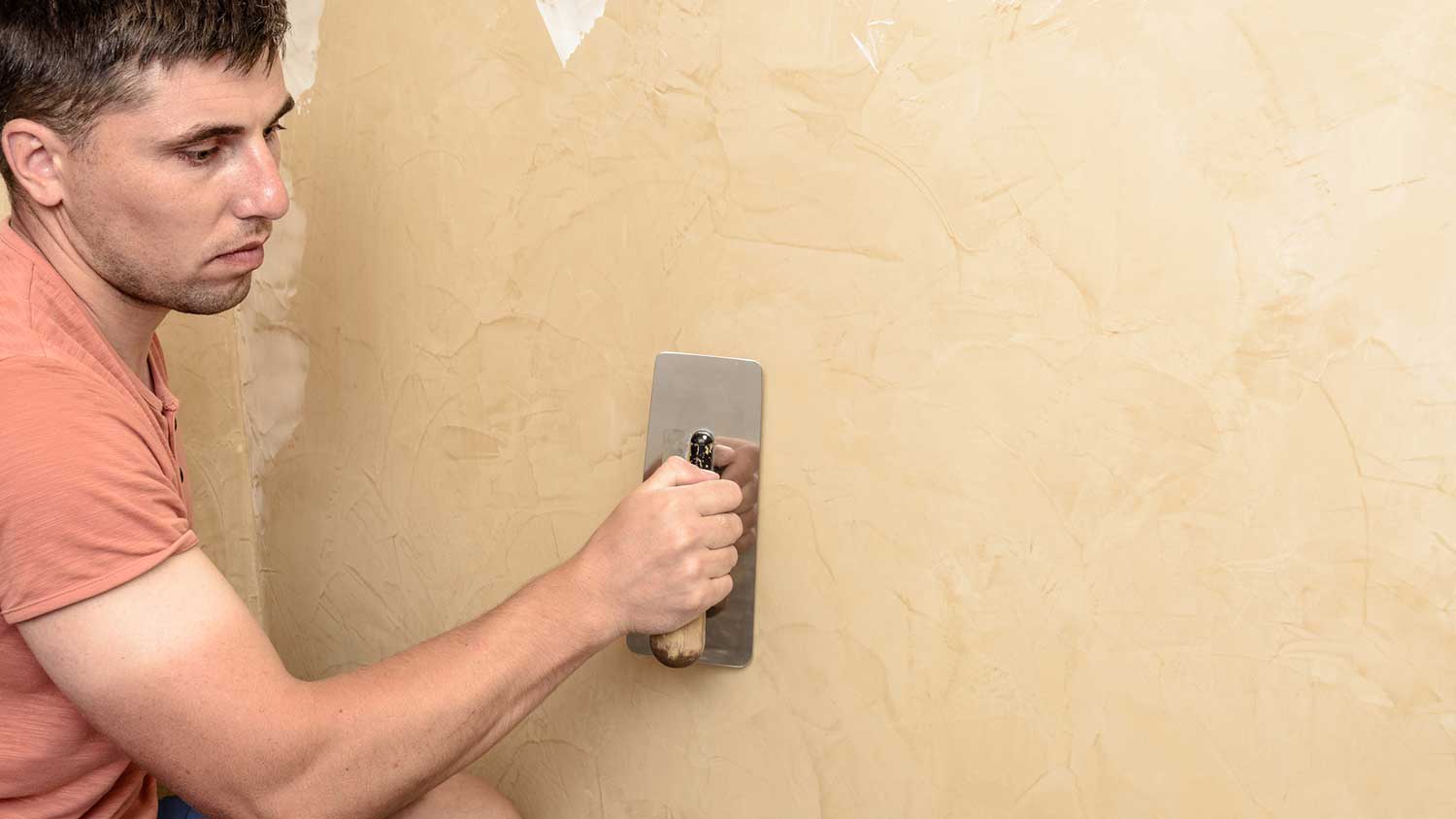
Plastering and skimming are two different techniques for finishing walls. Plastering involves applying a thick layer of a plaster mixture—typically containing gypsum, lime, cement, sand, and water—to create a new surface. This process often requires multiple coats and is used for repairing significant damage or creating decorative textures. Skimming, on the other hand, is a technique that involves applying a thin layer of drywall compound or joint compound over an existing surface to smooth it out, covering minor imperfections, small cracks, or uneven textures for a polished look. Plastering is generally more costly and labor-intensive than skimming. Although some people use the terms interchangeably, they refer to different processes and materials.

Knowing what causes drywall damage can help stop it before it starts. Here are some of the most common causes of drywall damage: 

  • Water damage from roof leaks or leaky pipes. 

  • Small holes caused by doorknobs, minor accidents, and rodent infestations. 

  • Wall dents stemming from moving furniture and minor accidents. 

  • Wall cracks that form from a settling foundation or seismic activity. 

  • Nail pops from nails and screws in the walls. 

  • Large holes that are caused by accidents with heavy objects, children and pets, or sporting equipment.

The Youngstown, OH homeowners’ guide to drywall services

From average costs to expert advice, get all the answers you need to get your job done.