

Top-rated driveway sealcoating pros.

Get matched with top driveway sealcoating pros in Struthers, OH

Enter your zip and get matched with up to 5 pros

Need a pro for your driveway sealcoating project in Struthers, OH?

Select your specific project to find the pro for you.

TRUSTED BY STRUTHERS, OH HOMEOWNERS

  • Average homeowner rating star icon4.5
    Average homeowner rating
  • Verified reviews icon27
    Verified driveway sealcoating reviews

Find Driveway sealcoating pros in Struthers

James Carroll General Contracting
5.0(
7
)
Asphalt SealingAsphalt Sealing- For Business

Serving Struthers, OH and surrounding areas

In business since 1985

Free estimates

Offers commercial services

"I had Jim and his crew do the exterior painting on my home almost 8 years ago and just had him back out for another project with staining my deck Im overly pleased with both jobs and would recommend without hesitation to hire this company"
cement after
before cement
deck staing
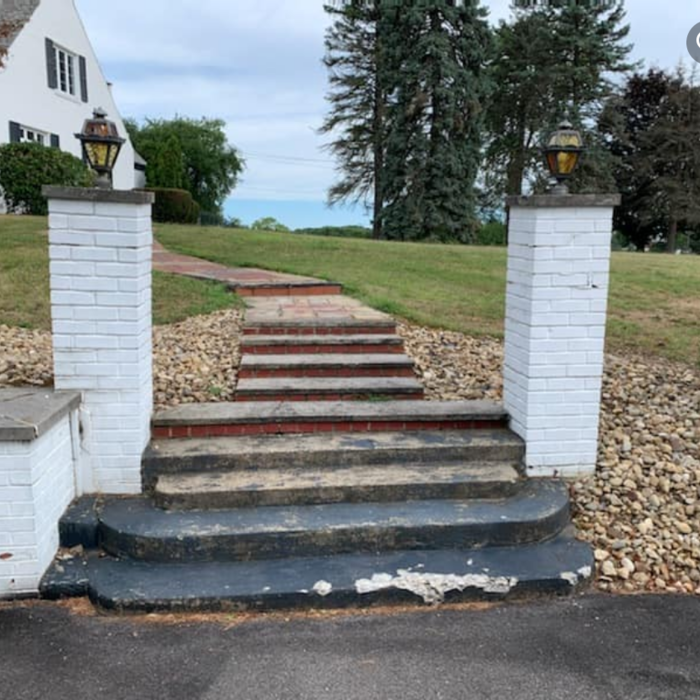
cement stairs
cement stairs

+19

Response time2 hrs
Response rate94%
Recommended by75%of homeowners
Showing 1-10 of 29
Driveway Sealcoating questions, answered by experts

Professionals provide high-quality sealants and applications, extending pavement life and enhancing appearance.

A properly applied asphalt driveway sealer, or sealcoat, should last between one and five years. The industry standard is to reseal every two to three years for optimal protection. If you live in a climate with extreme weather, such as heavy rainfall or freezing temperatures, you may need to reseal your driveway more frequently, around every two years. Signs that your driveway needs a new coat of sealant include the appearance of small cracks or uneven drying after rain.

Regular maintenance will help you avoid costly repairs and early replacement. Clean the driveway surface with a stiff brush and water at least twice yearly, and remove any weeds that try to take root. Additionally, every two to five years, apply a sealcoat—this protects the driveway against damaging UV rays and keeps it looking like new.

If your asphalt driveway shows cracks, potholes, or standing water, it’s likely time for a repair. Cracks, big or small, let water seep in, weakening the base and causing further damage. Potholes are a sign of this weakening process in action while standing water suggests your driveway has poor drainage, which can cause even more issues. You may also see warping or buckling—a sign of a compromised base layer—or sinking pavement. Spotting these signs early on can help you save yourself a bigger repair bill in the future.

Maintaining a driveway depends on its material. For concrete and asphalt, it's best to clean the surface thoroughly twice a year with a stiff broom and a pressure washer to remove accumulated dirt and debris. Sealing the driveway is crucial to protect it from water damage and freeze-thaw cycles. Before applying a sealant, pressure wash the surface to remove any loose sealant, dirt, or stains, as sealing over them will trap them. Any cracks or expansion joints should be filled with a flexible polyurethane caulk or asphalt sealer. In colder climates, use sand instead of salt for de-icing. Sand helps melt snow and ice without accelerating the freeze-thaw process, which can cause cracks.

The Struthers, OH homeowners’ guide to driveway sealcoating

From average costs to expert advice, get all the answers you need to get your job done.