

Top-rated driveway sealcoating pros.

Get matched with top driveway sealcoating pros in Boardman, OH

Enter your zip and get matched with up to 5 pros

Need a pro for your driveway sealcoating project in Boardman, OH?

Select your specific project to find the pro for you.

TRUSTED BY BOARDMAN, OH HOMEOWNERS

  • Average homeowner rating star icon4.1
    Average homeowner rating
  • Verified reviews icon54
    Verified driveway sealcoating reviews

Find Driveway sealcoating pros in Boardman

James Carroll General Contracting
5.0(
7
)
Asphalt SealingAsphalt Sealing- For Business

Serving Boardman, OH and surrounding areas

In business since 1985

Free estimates

Offers commercial services

"I had Jim and his crew do the exterior painting on my home almost 8 years ago and just had him back out for another project with staining my deck Im overly pleased with both jobs and would recommend without hesitation to hire this company"
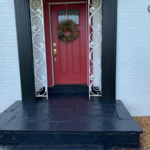
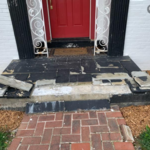
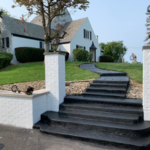
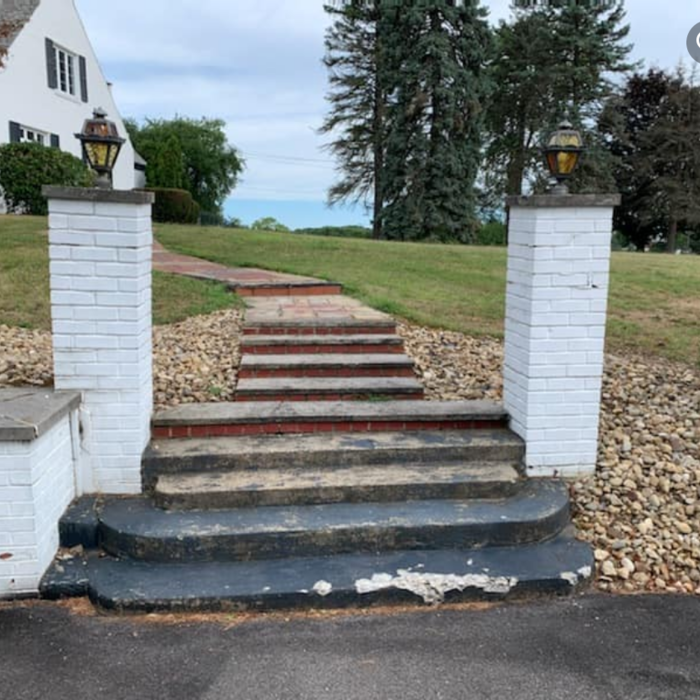
cement after
before cement
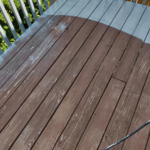
deck staing
cement stairs
cement stairs

+19

Response time2 hrs
Response rate94%
Recommended by75%of homeowners
Showing 1-10 of 33
Driveway Sealcoating questions, answered by experts

It is not recommended to seal brand-new asphalt immediately. You should wait at least three months after installation to allow the asphalt time to cure properly. Applying a seal coat too soon can trap the asphalt's oils and chemicals, preventing it from fully hardening. This can result in a weaker surface that is more susceptible to damage. After the three-month curing period, sealing the asphalt is beneficial as it can extend its lifespan by protecting it from water, UV rays, and other damaging elements.

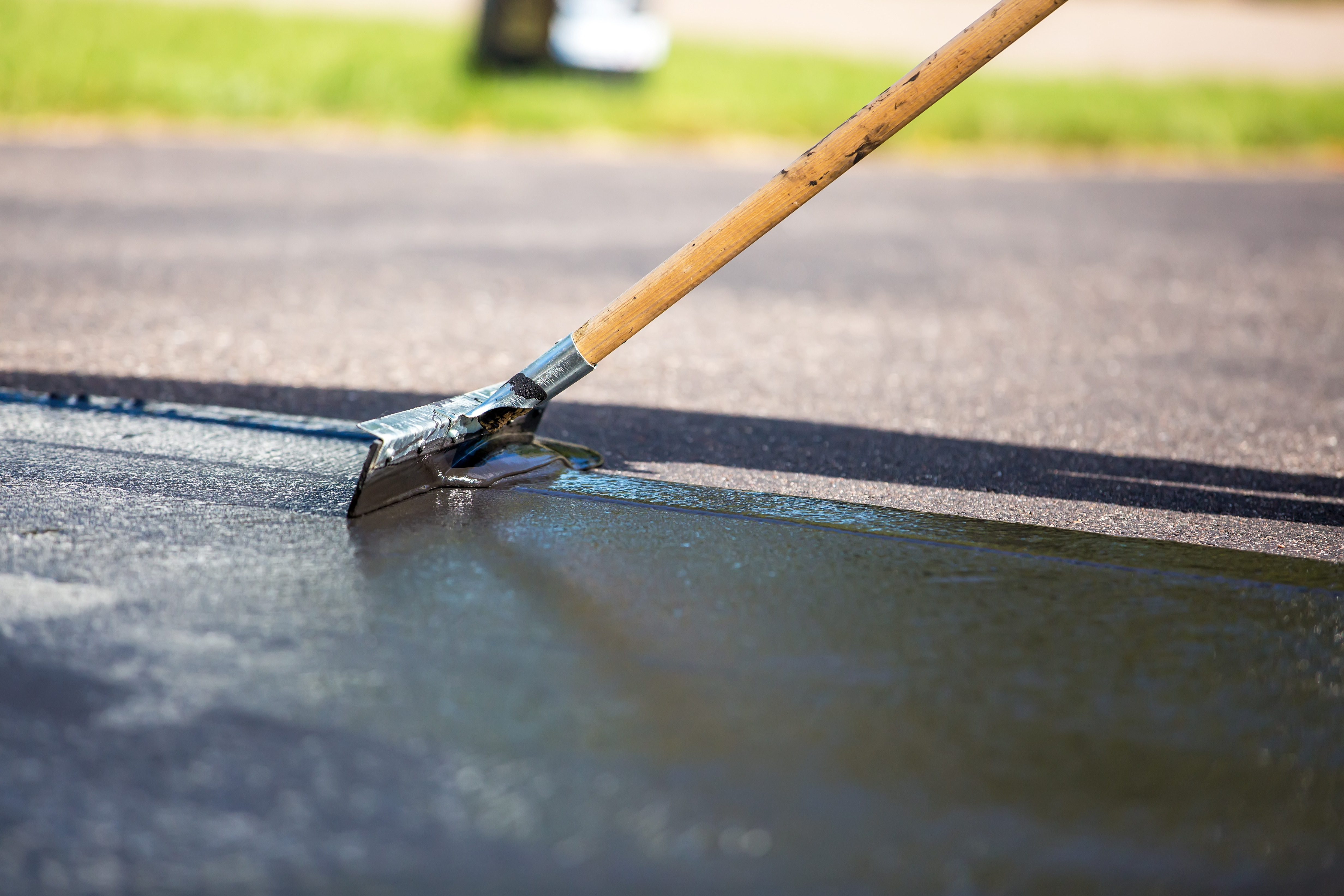
To maintain their strength, asphalt driveways and parking lots need to be sealcoated once every two to five years. You may also need to reapply paint striping every few years as it fades to ensure drivers can safely navigate the parking lot.

Apply either one or two coats, depending on the manufacturer’s instructions.

While blacktop is a type of asphalt, the terms should not be used interchangeably, as not all asphalt qualifies as blacktop. The primary differences are in their composition, production process, and ideal applications. Blacktop contains more stone than other types of asphalt and is heated to a higher temperature during production—300°F or more—while hot-mix asphalt is heated to between 275°F and 300°F. The ratio of bitumen (a tar-like crude oil) is a key differentiator, though sources vary: some state blacktop has less bitumen, making it less durable, while others claim it has a higher ratio. Due to these differences, asphalt is generally more durable and better for high-traffic areas like highways and streets, while blacktop is more suitable for playgrounds and residential driveways. For a driveway project, it is best to consult a professional to determine the most appropriate material.

DIY asphalt repair is feasible for small issues like cracks or potholes, provided you have the correct materials and tools. However, for more extensive damage or to ensure a durable, smooth surface and prevent further deterioration, engaging professional services is recommended for their expertise and long-lasting results.

The Boardman, OH homeowners’ guide to driveway sealcoating

From average costs to expert advice, get all the answers you need to get your job done.