
Top-rated drywall pros.

Get matched with top drywall pros in Senecaville, OH

Enter your zip and get matched with up to 5 pros

Need a pro for your drywall service project in Senecaville, OH?

Select your specific project to find the pro for you.

Find Drywall pros in Senecaville

Avatar for All Friends Painting and Drywall, LLC
All Friends Painting and Drywall, LLC
4.8(
4
)
Drywall - Install

Serving Senecaville, OH and surrounding areas

Approved

In business since 2022

Free estimates

Warranties offered

"These guys are great! Told me exactly what it would cost, showed up on time, cleaned up when they were finished. I extended the original project to include my porch, shutters, gutters and pole barn. Highly recommend! Thanks !"
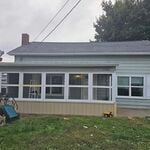
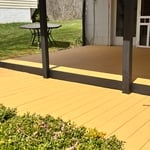
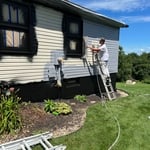
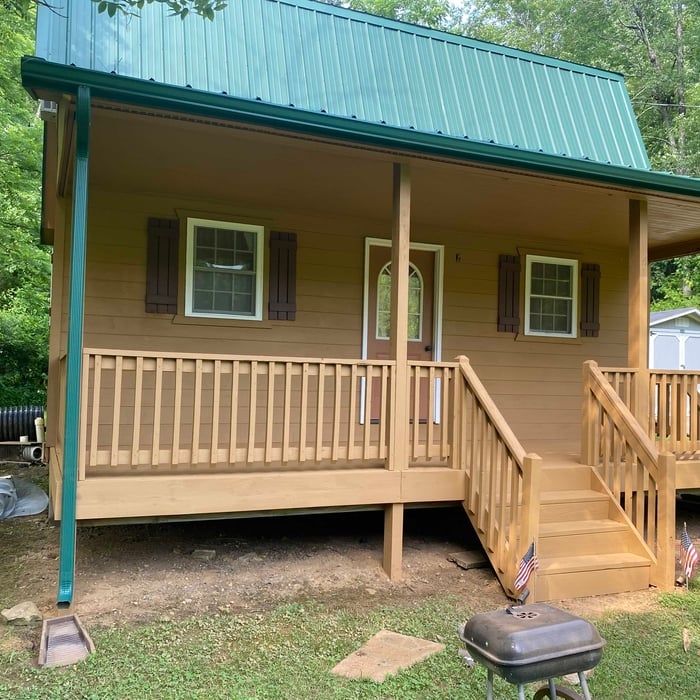
Before Painting
After Painting
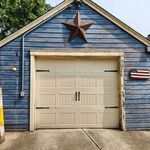
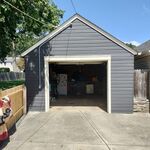
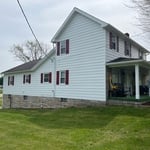
Before exterior garage painting
After exterior garage painting
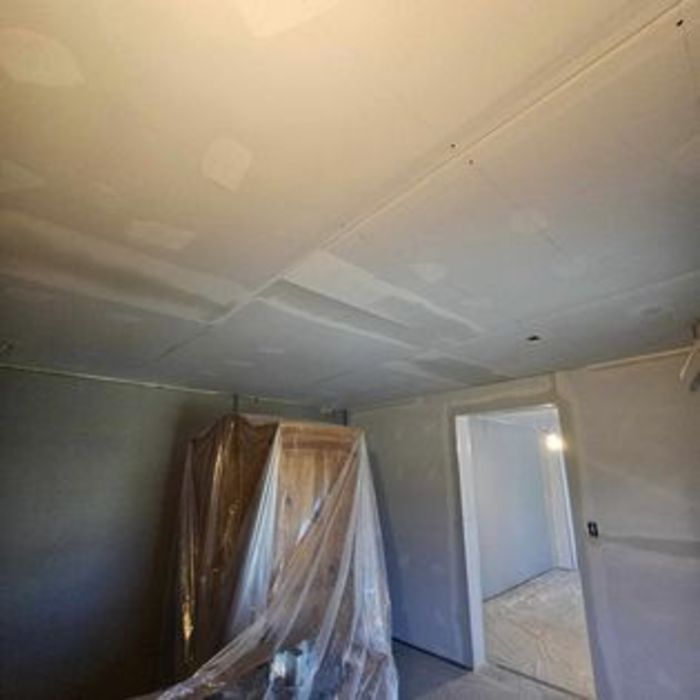
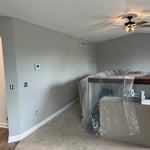
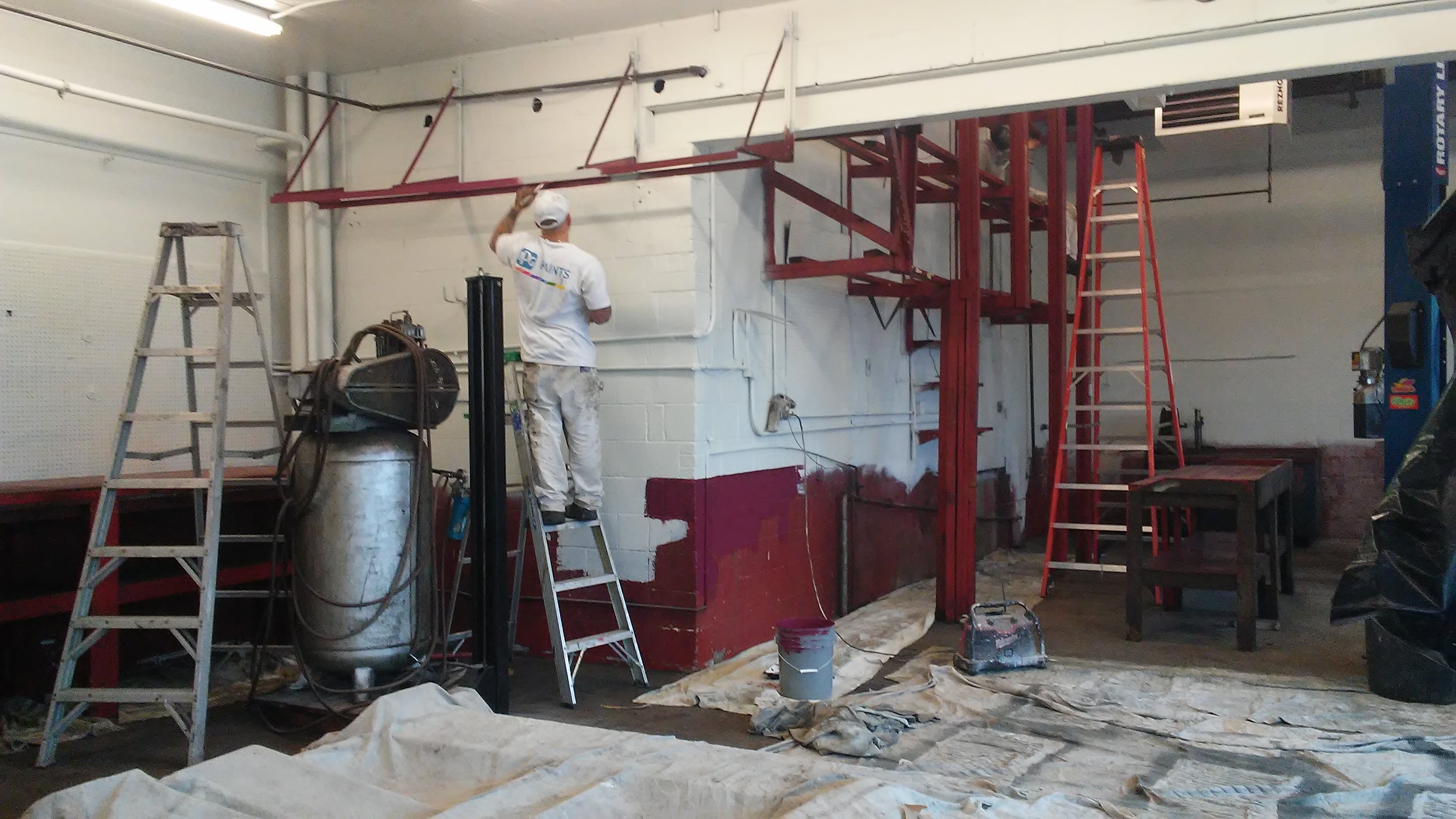
Before Interior painting and after drywall

+30

Response time4 hrs
Response rate88%
Recommended by66%of homeowners
Avatar for Creative Painting and Design
Creative Painting and Design
5.0(
2
)
Drywall - InstallDrywall - Repair

Serving Senecaville, OH and surrounding areas

Approved

In business since 1990

Free estimates

Customers say: Quick response

Creative Painting & Design is your go to for all of your painting and drywall service needs. Servicing Washington County, there is no job too big or too small. We pride ourselves on our quality work and can guarantee our customers satisfaction 100% of the time. Give us a call today to get your project started!

Gallery
Response time4 hrs
8 neighbors recently requested a quote
Recommended by100%of homeowners
...
Showing 1-10 of 60
Drywall questions, answered by experts

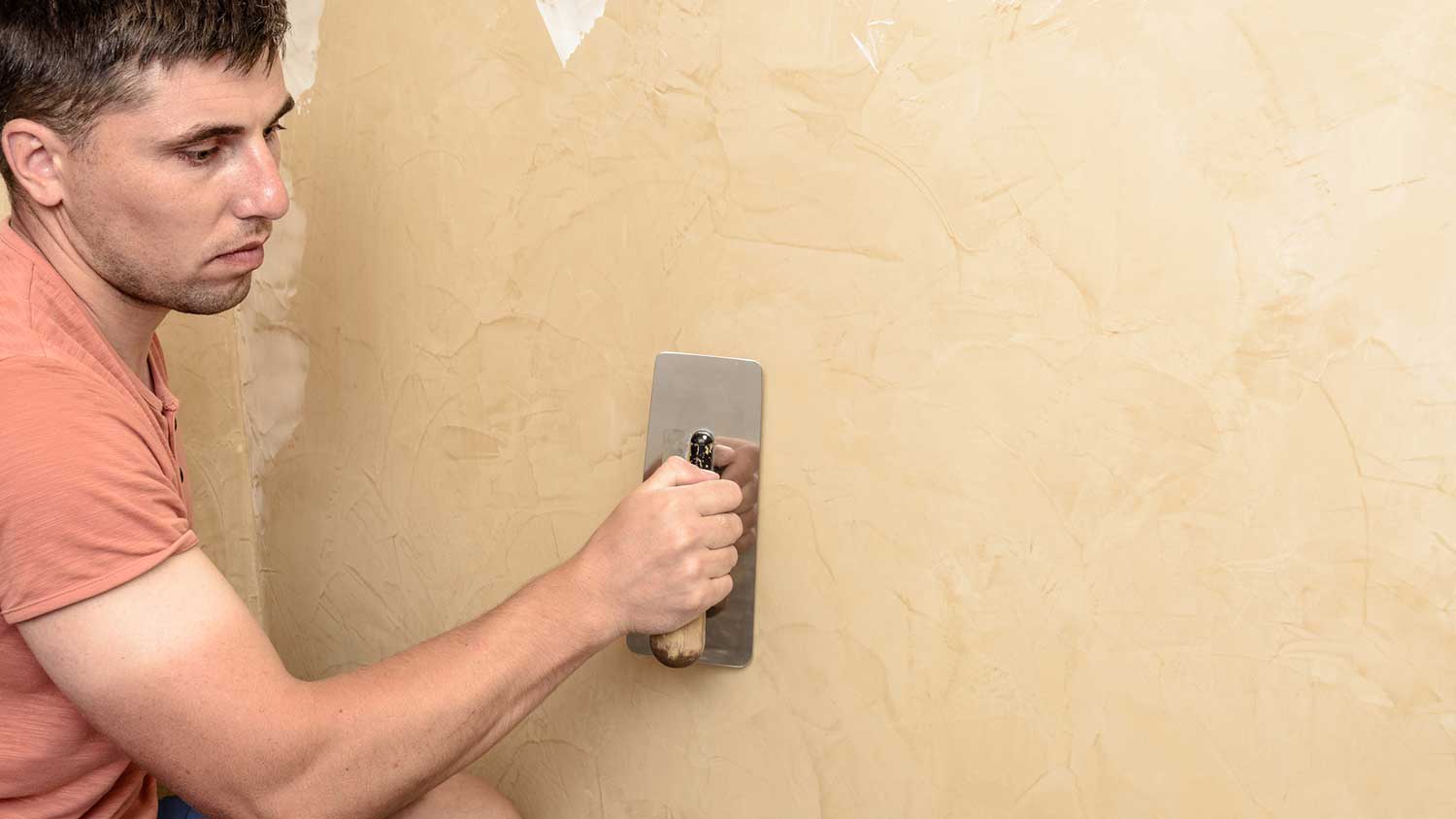
Mudding drywall is a DIY-friendly project, but patience and practice are required for perfection. If you’re working in a highly visible area and want the best possible finish, hiring a professional drywaller is worth the cost. Pros have the tools and know-how to ensure a smooth surface with fewer sanding sessions and less cleanup.

There are six levels of drywall finish, from 0 to 5, that refer to the amount of work performed during the finishing process.

Level 0: Drywall is hung with no finishing work.

Level 1: Tape is placed over the seams between drywall sheets.

Level 2: A thin layer of mud is applied over the tape and screw holes. This level is common for utility rooms or walls that will be covered.

Level 3: A full coat of mud covers the screw holes and tape, but the surface is not sanded. This is often used in garages.

Level 4: This is the most common finish for visible interior walls. It involves applying two coats of mud over seams and screw holes, with sanding between each coat, creating a smooth surface ready for flat paint.

Level 5: This is a high-end finish for luxury homes. It includes full taping, mudding, and sanding, plus a final skim coat over the entire surface before painting.

Although they have similar applications, spackle and joint compound are not the same. Their primary differences lie in their composition, consistency, and ideal use cases.

Spackle is composed of gypsum and binding agents, making it thicker than joint compound. It dries quickly and is easy to sand, which makes it ideal for small wall repair projects like filling nail holes or patching minor damage.

Joint compound, also known as drywall mud, consists of limestone and gypsum. It is primarily used for large-scale projects, such as taping and finishing the seams on newly installed drywall. It tends to shrink more than spackle and can be more difficult to spread.

While both products can be used to fill small depressions and cracks, spackle cannot replace joint compound for taping and mudding new drywall. Conversely, you can often use joint compound for small patching jobs typically done with spackle.

While certain types of textured walls can seem dated (looking at you, popcorn), textured walls are a common sight in both older and more modern homes. The main reason textured walls may be here to stay is that they are an excellent way to hide minor imperfections on a wall and give it a finished appearance. Some homeowners think a coat of paint on drywall is a bit industrial-looking. However, that look works perfectly in modern home design

In most cases, no, you won’t need a permit to replace drywall. If you’re changing the floorplan of your home by adding or removing walls during the drywall project, then you might need a permit, but replacement or repairs usually doesn’t require a permit. Your drywall professional should be able to confirm whether or not a permit is required for your project. If it is, it’s likely to add between $50 and $150 to your total cost. Keep in mind that you will need permits if you plan to install new electrical wiring or plumbing lines behind your new drywall.

The Senecaville, OH homeowners’ guide to drywall services

From average costs to expert advice, get all the answers you need to get your job done.