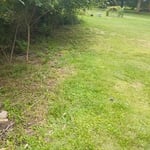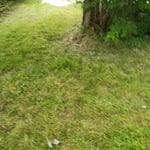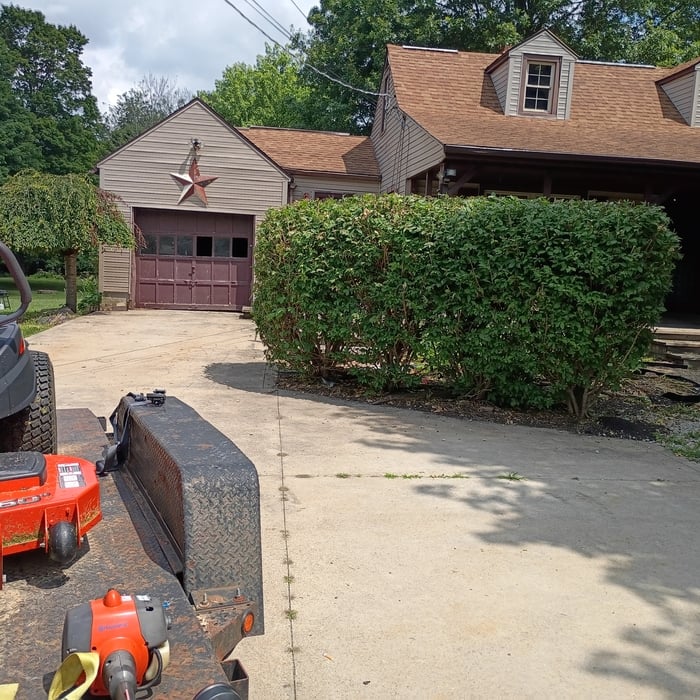





Top-rated weed maintenance pros.

Get matched with top weed maintenance pros in Oberlin, OH

Enter your zip and get matched with up to 5 pros

Need a pro for your weed maintenance project in Oberlin, OH?

Select your specific project to find the pro for you.

TRUSTED BY OBERLIN, OH HOMEOWNERS

  • Average homeowner rating star icon4.3
    Average homeowner rating
  • Verified reviews icon181
    Verified weed maintenance services reviews

Find Weed maintenance pros in Oberlin

No results for Weed maintenance pro in

Try adjusting your search criteria.
Weed Services questions, answered by experts

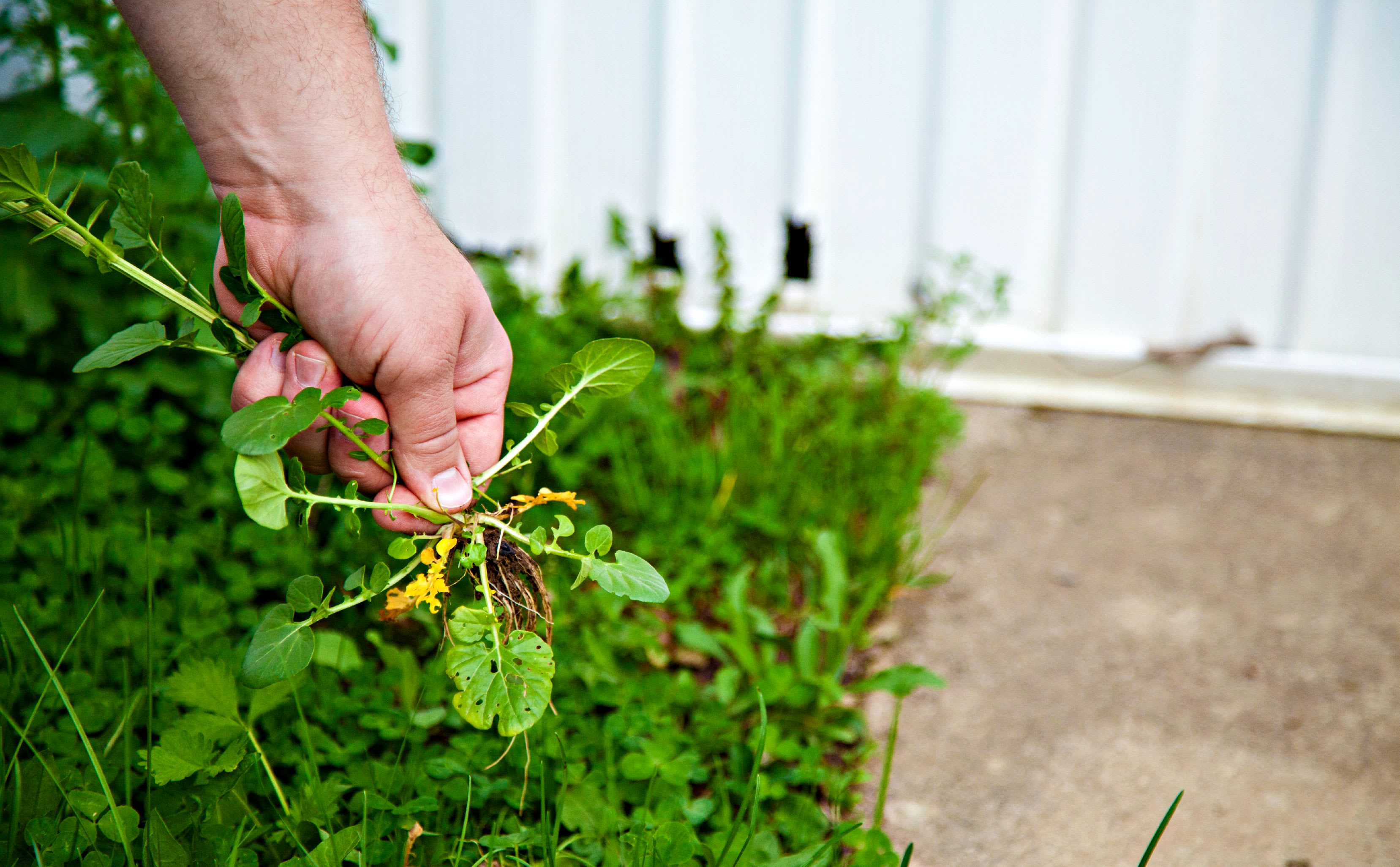
No, definitely not. Pulling weeds by hand is the single most effective way to remove them because you're eliminating the entire plant—roots and all—so it won’t have a chance to grow or spread. Setting time aside a few times per week to pull weeds can keep them at bay. If the number of weeds gets overwhelming, then you can resort to other methods.

Yes, you can typically combine liquid aeration with other lawn treatments. However, follow the specific product's instructions and consider the compatibility of treatments. In most cases, liquid aeration can complement fertilization, overseeding, or weed control programs. Combining treatments strategically can address multiple aspects of your lawn's health and appearance simultaneously. Always read and adhere to the guidelines provided by the product manufacturers to ensure safe and effective application.

Very carefully. You should be cautious when using any of the above methods, as any one of them could lead to you accidentally killing desired grasses and plants. However, there are selective herbicides that can target certain plants over others. Look for a product that only affects the type of weeds you want to eliminate and spares the plants you want to keep.

Johnsongrass and crabgrass are invasive weeds that can overtake your lawn. Crabgrass is a low-growing grass most often seen in lawns, flower beds, and vegetable gardens. While you may find Johnsongrass growing in your lawn, it will also grow in pastures, crop fields, and the edge of the road. Johnsongrass is much coarser than crabgrass. If left alone, Johnsongrass can grow up to 8 feet tall. 

Too much clover in your lawn can indicate several issues with your soil. Clover can thrive in soils with abnormally high pH, low-cut grass, and low nitrogen. Amending these issues can push clover out for good.

Hardy perennial clover loves the low nitrogen and compact conditions that often come with poor, infertile soils. But other factors also contribute to a clover explosion, including drought conditions, cool temperatures, under fertilization, and over-irrigation. You’ll need to evaluate all these elements when planning to kill off the clover.

The Oberlin, OH homeowners’ guide to weed maintenance services

From average costs to expert advice, get all the answers you need to get your job done.