

Top-rated excavation pros.

Get matched with top excavation pros in Oberlin, OH

Enter your zip and get matched with up to 5 pros

Need a pro for your excavation project in Oberlin, OH?

Select your specific project to find the pro for you.

TRUSTED BY OBERLIN, OH HOMEOWNERS

  • Average homeowner rating star icon4.9
    Average homeowner rating
  • Verified reviews icon44
    Verified excavation services reviews

Find Excavation pros in Oberlin

Avatar for Lakeside Excavating & Concrete, LLC
Lakeside Excavating & Concrete, LLC
5.0(
1
)

Serving Oberlin, OH and surrounding areas

Approved

In business since 2020

Free estimates

Credit card accepted

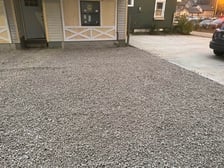
"I had them redo my gravel driveway. They dug out the old stone and dirt since my driveway was flooding. They graded it, brought in new stone, and spread it evenly. He was on time and reasonably priced. I was happy with the final result and would hire him again."
Response time9 hrs
Response rate89%
Recommended by100%of homeowners

...
Showing 1-10 of 128
Excavating questions, answered by experts

Water lines are buried at various depths, depending on the type of line. For example, most sprinkler lines are buried between four and 12 inches underground. On the other hand, water mains usually sit between one and 3 feet below ground. However, they can go even deeper in cold climates to prevent freezing.

Yes, you can technically make a crawl space liveable, but the only way to do so is by converting it into a basement. While some crawl spaces are big enough to walk through and store large items, they lack appropriate insulation and space to be liveable.

The digging depth will depend on the size of the trencher you use. Even smaller units can dig up to 4 feet deep, which is plenty for a DIY job. However, much larger trenchers can reach a depth of 18 feet and are better used by a team of pro contractors, not a single DIYer. As with all home improvement projects, use the right tool for the job and proceed with caution.

Excavations take a few days or up to a few weeks. The time it takes to excavate an area depends on the size of the area, the type of soil, the type of excavator, and even the time of year, since winter can make digging up the ground more difficult.

The best way to protect tree roots is to avoid the roots entirely by excavating outside the root radius of the tree. For nearby projects, it’s a good idea to construct a temporary retaining wall. But that’s not always possible, depending on the project and the root system. In these cases, consider using alternative equipment like an auger to tunnel under the ground.

Remember, tree roots can damage nearby cement foundations as they grow. If a tree is close enough to interfere with large excavations, it may be better to remove the tree than risk future problems.

The Oberlin, OH homeowners’ guide to excavation services

From average costs to expert advice, get all the answers you need to get your job done.