Top-rated paving pros.

Best paving pros near Nelsonville, OH

Enter your zip and get matched with up to 5 pros

Need a pro for your paving service project in Nelsonville, OH?

Select your specific project to find the pro for you.

Top-Rated Paving pros in Nelsonville - Updated Nov 2026

Avatar for Pave Doctors
Pave Doctors
5.0(
9
)
Asphalt Paving - Repair or PatchAsphalt Paving - Repair or Patch - For Business

Serving Nelsonville, OH and surrounding areas

In business since 2024

Free estimates

Credit card accepted

"Very professional and arrived on time. Pricing was extremely fair. There were other parts of the asphalt that needed patched up. The additional work was done without asking to create a better overall look. Plan to use this company again in the near future."
Sealcoat 4/18/2025
Response time10 mins
Response rate92%
Avatar for Ohio Tree And Land Services
Ohio Tree And Land Services
5.0(
22
)
Interlocking Pavers for Patios, Walks & Steps - Install

Serving Nelsonville, OH and surrounding areas

In business since 2023

Free estimates

Emergency services offered

"They came to the house on time, did their job, cleaned up after themselves, and left the yard cleaned up. The interactions that I had with them were friendly and courteous. It was very educational watching them cut down our tree and trim our other tree. The one owner that I dealt with, Ryan, is an arborist, which is important when deciding on a tree service. The other workers have multiple years of experience in the tree trimming/cutting business."
Spot the climber
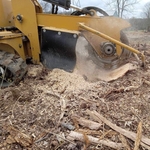
Stump grinding in action
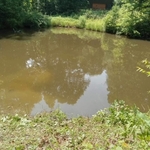
Pond Before
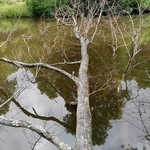
Tree in Pond
Response time6 hrs
Response rate100%
Recommended by95%of homeowners
Showing 1-10 of 37
Paving Services FAQs, answered by experts

In most cases, you don’t need a permit to repave your driveway, although some exceptions exist. If you’re widening your driveway and plan on widening the apron as well, you’ll usually need a permit from the Department of Transportation in your area. This permit costs between $50 and $300 in most cases. Most municipalities will also require a certified and insured contractor do the work relating to the apron and curb cut. You can contact your building department or ask your paving company if you need a permit. Your driveway professional will usually pull the permit for you.

While blacktop is a type of asphalt, the terms should not be used interchangeably, as not all asphalt qualifies as blacktop. The primary differences are in their composition, production process, and ideal applications. Blacktop contains more stone than other types of asphalt and is heated to a higher temperature during production—300°F or more—while hot-mix asphalt is heated to between 275°F and 300°F. The ratio of bitumen (a tar-like crude oil) is a key differentiator, though sources vary: some state blacktop has less bitumen, making it less durable, while others claim it has a higher ratio. Due to these differences, asphalt is generally more durable and better for high-traffic areas like highways and streets, while blacktop is more suitable for playgrounds and residential driveways. For a driveway project, it is best to consult a professional to determine the most appropriate material.

If you notice minor cosmetic problems with your driveway, you should seal it. Look out for cracks and holes on the surface, faded asphalt or concrete, and stains from oil and other chemicals. Replacing your driveway may be necessary if you’re dealing with significant problems—¼-inch cracks, large potholes, and puddles from drainage issues. The cost to install an asphalt driveway typically ranges between $4,200 and $9,000, significantly more than resealing. Consider talking to a professional to discuss whether resurfacing your driveway—a midway project between resealing and replacing—is a better option for you.

If pavers are uneven but not sunken, lift the affected bricks and check the bedding sand underneath. In many cases, simply smoothing out or adjusting the sand is enough to level them. Add or remove small amounts as needed, then press the pavers back into place and tap them with a mallet until they sit evenly with the surrounding surface.

The dimensions of a driveway apron vary based on local building codes, the width of your driveway, and the distance between the driveway and the road. On average, aprons range from 12 to 24 feet wide and 8 to 18 feet long. Typically, the end of the apron connected to the driveway matches its width—such as 10 to 12 feet for a single-car driveway—while the end at the street flares out to allow cars to turn in and out more easily. In some areas, you may not be responsible for the portion of the apron that extends beyond the sidewalk, but this depends on local laws.

The Nelsonville, OH homeowners’ guide to paving services

From average costs to expert advice, get all the answers you need to get your job done.