
Top-rated paving pros.

Get matched with top paving pros in Albany, OH

Enter your zip and get matched with up to 5 pros

Need a pro for your paving service project in Albany, OH?

Select your specific project to find the pro for you.

TRUSTED BY ALBANY, OH HOMEOWNERS

  • Average homeowner rating star icon4.6
    Average homeowner rating
  • Verified reviews icon14
    Verified paving services reviews

Find Paving pros in Albany

Avatar for Ohio Tree And Land Services
Ohio Tree And Land Services
5.0(
22
)
Interlocking Pavers for Patios, Walks & Steps - Install

Serving Albany, OH and surrounding areas

In business since 2023

Free estimates

Emergency services offered

"They came to the house on time, did their job, cleaned up after themselves, and left the yard cleaned up. The interactions that I had with them were friendly and courteous. It was very educational watching them cut down our tree and trim our other tree. The one owner that I dealt with, Ryan, is an arborist, which is important when deciding on a tree service. The other workers have multiple years of experience in the tree trimming/cutting business."
Spot the climber
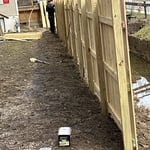
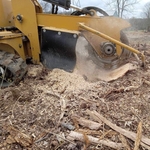
Stump grinding in action
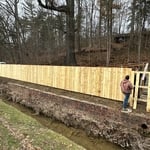
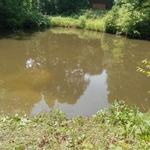
Pond Before
Tree in Pond
Response time6 hrs
Response rate100%
Recommended by95%of homeowners
Avatar for Dixon Asphalt Maintenance, LLC
Dixon Asphalt Maintenance, LLC
3.7(
10
)
Asphalt Paving - InstallAsphalt Paving - Install- For BusinessAsphalt Paving - Repair or Patch+1 more

Serving Albany, OH and surrounding areas

In business since 2021

Free estimates

Emergency services offered

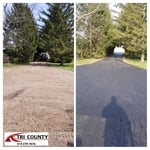
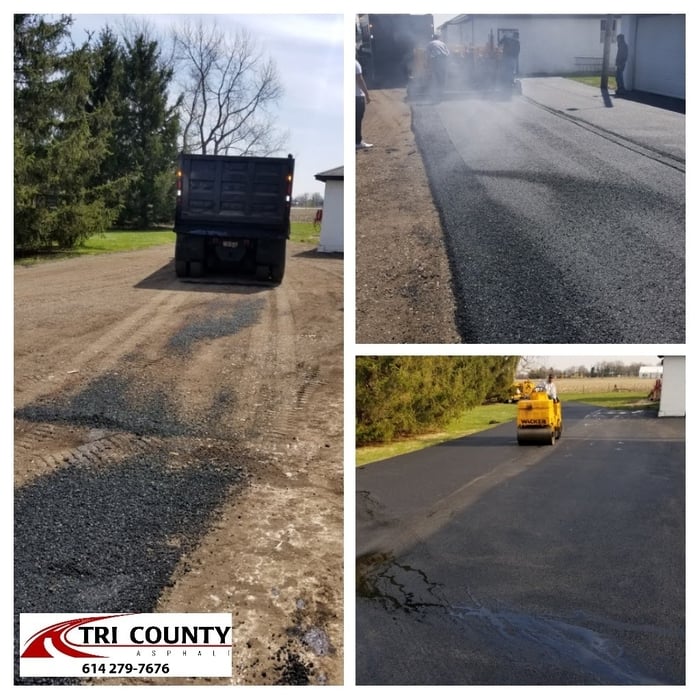
"Josh and his team were wonderful to work with! Josh was very responsive when scheduling. He had a large team of extremely conscientious guys who worked hard, fast and efficient. Our driveway looks absolutely beautiful! They took the additional time to ensure everything was perfectly smooth. We would highly recommend Dixon Asphalt!"
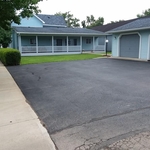
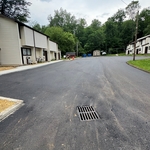
Paving Projects
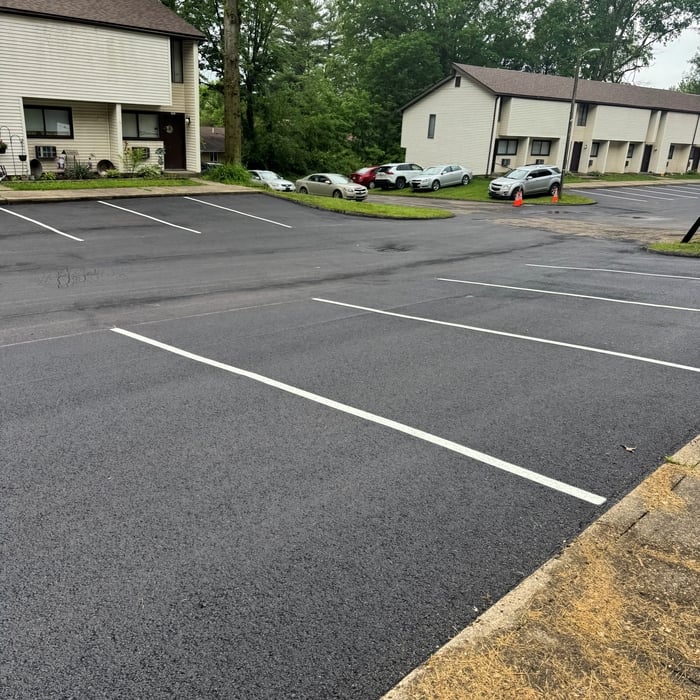
Commercial Paving
Paving Projects
Commercial Paving
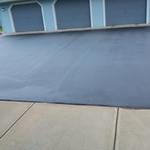
Sealed driveway

+3

Response time2 days
Recommended by75%of homeowners
Showing 1-10 of 30
Paving Services questions, answered by experts

Generally speaking, tiles are for indoor use, while pavers are for outdoor use. The main difference between travertine tiles and pavers is their thickness. Tiles are around 1/2 inch thick, and pavers are 1 1/4 inches to 2 inches thick.

Pavers are more rugged and can handle different weather. The extra thickness on pavers also makes them ideal for high-traffic areas.

The dimensions of a driveway apron vary based on local building codes, the width of your driveway, and the distance between the driveway and the road. On average, aprons range from 12 to 24 feet wide and 8 to 18 feet long. Typically, the end of the apron connected to the driveway matches its width—such as 10 to 12 feet for a single-car driveway—while the end at the street flares out to allow cars to turn in and out more easily. In some areas, you may not be responsible for the portion of the apron that extends beyond the sidewalk, but this depends on local laws.

Yes, it is possible to pave over an existing driveway, but whether it's the right choice depends on several factors. If the underlying structure of your current driveway is still strong, concrete or asphalt resurfacing can be a cost-effective way to prolong its life. However, if your driveway has significant issues like potholes, deep cracks, or other inconsistencies, it is best to remove the old driveway and start from scratch. Key factors to consider include the current driveway's condition, the compatibility of the new material, the added thickness and height, and the necessary surface preparation.
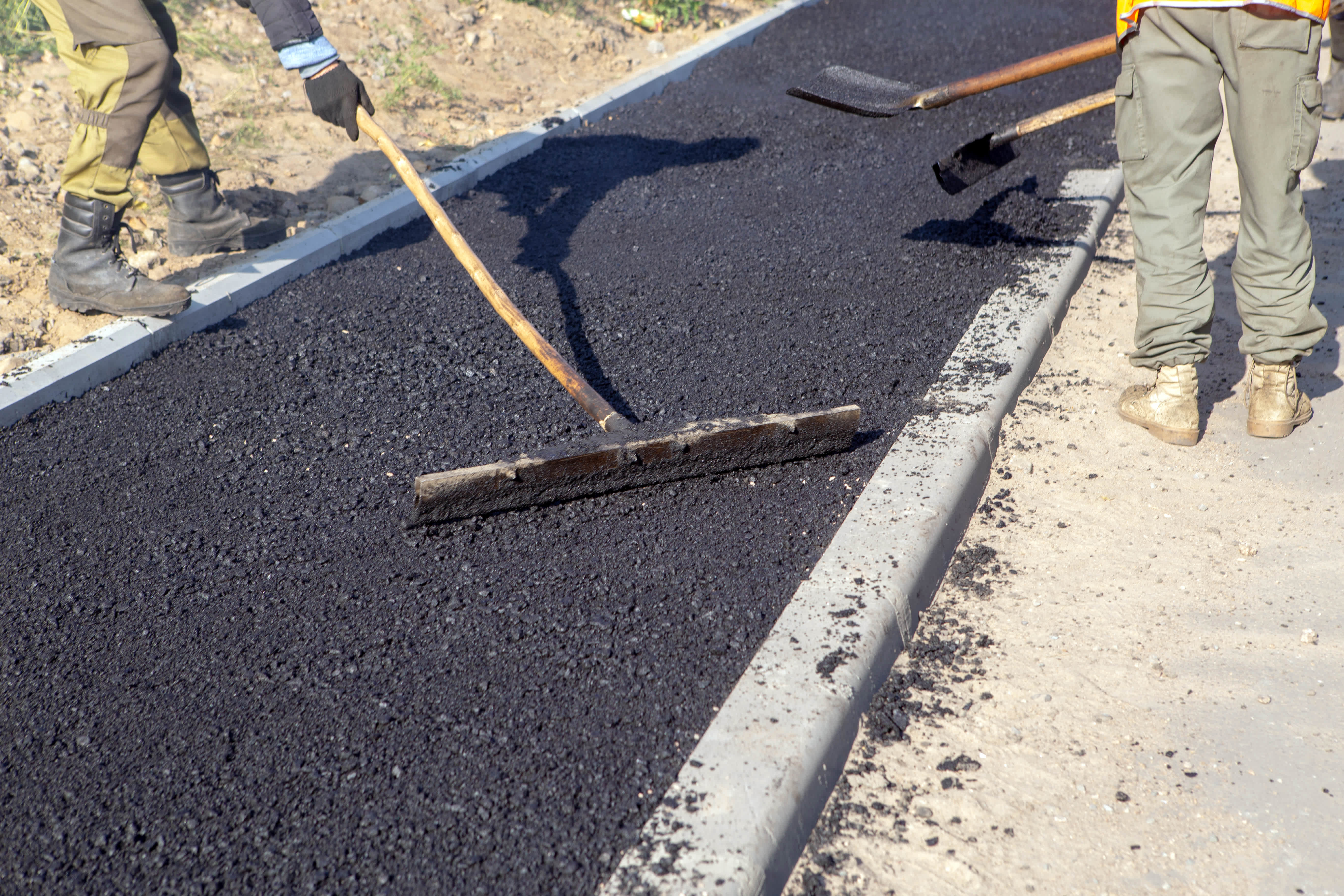
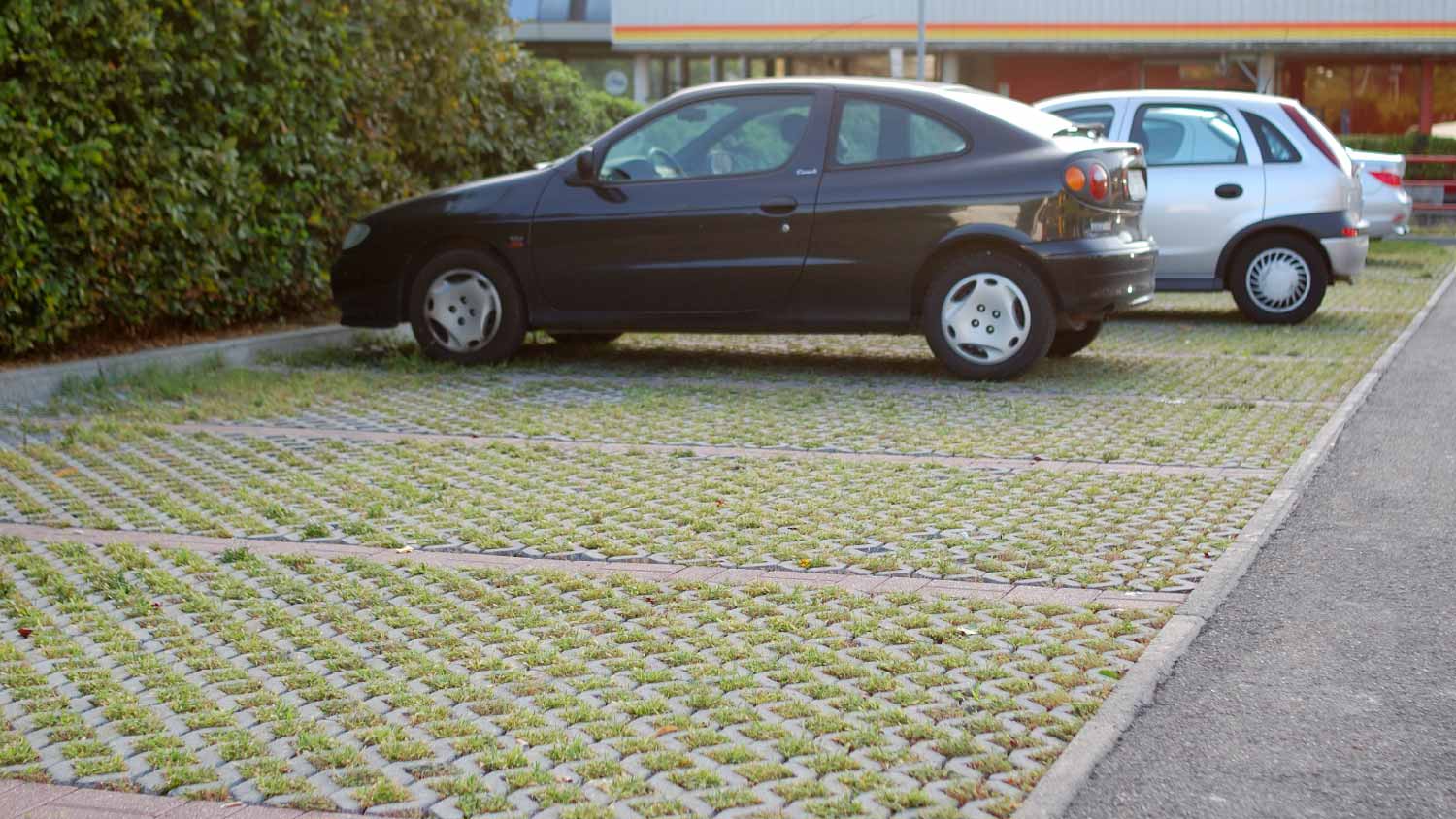
A pallet of pavers will cost about $300 to $700 per pallet. Each pallet covers about 56 square feet. The specific price you pay per pallet of pavers will depend on a few factors, including the type of paver you’re buying, the size and shape of the pavers, and how many pavers you need. In some cases, you’ll spend less per pallet if you’re buying in bulk for very large paver patios.

Asphalt and tarmac are not the same thing. Traditional tarmac, short for tarmacadam, uses tar as a binder to hold crushed stone together. Asphalt uses bitumen—a byproduct of crude oil—to bind aggregate. Though tarmac was once a go-to for roads, asphalt has become the modern standard. And these days, most surfaces referred to as “tarmac” are actually asphalt. So, while the names may overlap, the key distinction lies in the binder—tar for tarmac and bitumen for asphalt.

The Albany, OH homeowners’ guide to paving services

From average costs to expert advice, get all the answers you need to get your job done.